
The “Junk Drawer” Advent Fallacy
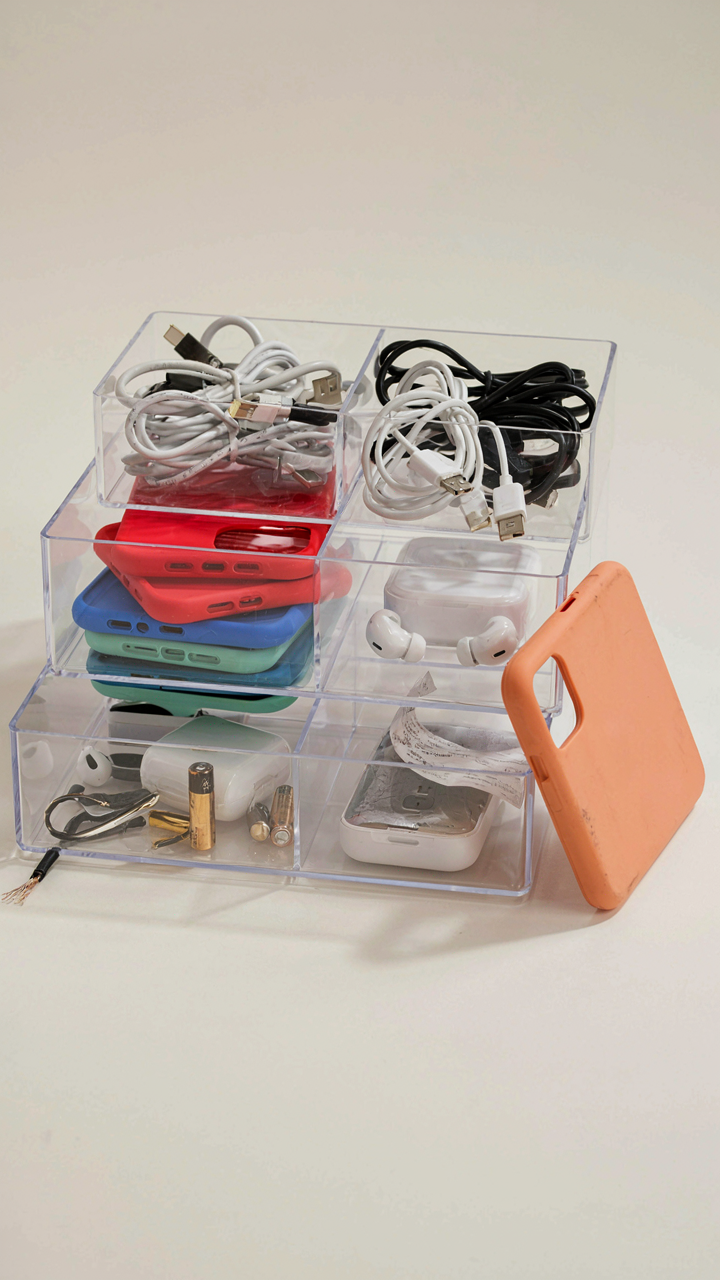
Why Random Small Gadgets Fail
You’re hoping a gadget advent calendar solves the gift problem without requiring you to think. That’s the real issue here. In economics, there’s a concept called “deadweight loss”—value destroyed in a transaction. A random small gadget is pure deadweight loss. The recipient opens it, feels momentary dopamine from the unwrapping, then stares at something they didn’t ask for and won’t integrate into their life.
The mechanism is simple: novelty without utility creates friction, not joy. A tech lover doesn’t want seventeen things. They want three things they’ll actually use. When you fill 24 slots with random gadgets—cable organizers, phone stands, LED clips—you’re gambling that at least some stick. Most don’t. They end up in a drawer because the person already solved that problem with something better, or they never needed it solved at all.
The Cost Of Novelty Versus Utility
Everyone says “it’s the thought that counts.” That’s incomplete advice masking a real problem. Novelty has a cost: attention. Every useless gadget demands a decision: trash it, donate it, or store it. For a tech person who optimizes their setup, this is friction they actively resent. You’ve created work instead of removing it.
The math is brutal. A gadget advent calendar costs fifty to one hundred fifty dollars. For that price, you could buy one genuinely useful device—a quality USB-C hub, a premium power bank, a tool they’ve mentioned wanting. One thing used repeatedly beats twenty-four things used once. Utility compounds over time. Novelty expires on day twenty-five.
The 5 Day “Micro Project” Protocol

Daily Gadgets That Solve One Problem
You want to feel productive without actually committing to anything. That’s why most advent calendars fail—they stack gadgets with no connection to each other. The mechanism here is constraint. In systems design, constraint forces integration. Each day’s gadget should solve a single friction point in your workflow, not distract from it.

Pick a five-day block. Map one recurring problem per day. Day one: cable management. Day two: workspace lighting. Day three: focus timer. Day four: cable testing. Day five: cable organization verification. Each gadget builds on the previous one’s output, not its aesthetic. You’re not collecting—you’re debugging your setup one node at a time.
Building Momentum Into One Capability
Most people treat advent calendars as novelty distribution. Wrong. The real game is stacking small tools until they activate one larger skill you actually need. Think of this like compound interest in your toolkit—each addition multiplies the utility of what came before it.
Choose one capability you want to own in thirty days. Maybe it’s “portable audio mixing” or “field video recording” or “embedded system prototyping.” Work backward from that end state. Your five gadgets should each be a prerequisite layer, not random territory. By day five, you don’t have five separate gadgets. You have one integrated system that does what you claimed you wanted to learn.
Beyond “Gadgets”: Software & Skill Advent

Daily Premium Access To Tools Worth Paying For
You want credibility without the commitment. That’s the real draw here, and the mechanism is simple: trial access removes friction from discovery. Instead of researching whether software solves your problem, you use it for a day and know. Most advent calendars treat this section as throwaway filler. They’re wrong. Premium software trials stack real utility.

Pair this with tools your audience actually uses in their workflow. Adobe Creative Cloud single-app trials, Notion Plus upgrades, Figma Professional accounts, or specialized software like Final Cut Pro—these aren’t generic. Each trial day slots into December’s calendar without feeling forced. The recipient tests the tool alongside their real work, not in isolation. That’s where the decision happens.
Building Technical Literacy One Day At A Time
Borrowing from education psychology, spaced repetition is how skill compounds. A gadget advent calendar isn’t just physical items—it’s a delivery mechanism for micro-education. You teach one narrow concept per day, timed so each lesson builds on the last. By day 25, your recipient knows something they didn’t on November 30.
The specifics matter. Skip generic “learn Python” resources. Instead, deliver a focused tutorial on a single Python function, a one-minute video on smartphone photography settings, or a written breakdown of why certain cables fail. Pair each lesson with a corresponding tool or app if possible. The pattern works because it demands nothing except attention for ten minutes. Consistency over depth wins every time.
The “Personalized Charms” Of Customization

Engraved Tools And Bespoke Accessories
You want your gifts to signal that you know the person, not that you grabbed something off a list. That’s the real driver here. The mechanism is simple: customization moves a generic object into a category of one, which makes it impossible to compare against other purchases. Engraving a multi-tool with initials, etching a name into a watch back, or laser-cutting a monogram into a leather cable organizer transforms commodity into artifact. The object gains narrative weight because it’s now tied to identity rather than function alone.

Bespoke accessories work because they solve a friction point nobody else noticed. A custom-sized cable organizer for someone’s specific desk setup, a personalized carrying case that fits their exact gadget collection, or a tool roll with pockets designed around their actual workflow. These aren’t generic. They land because you observed what the person actually does and built the gift around that behavior. The engraving or customization is secondary to solving a real problem the person faces daily.
Tailoring Tech To Individual Workflow
Most advent calendars treat everyone like a generic tech user. Wrong approach. Real personalization requires you to map how someone actually uses their tools, then select gadgets that plug into gaps in that specific workflow. A designer’s advent calendar looks nothing like a developer’s or a photographer’s because their daily friction points are completely different.
Start by identifying three to four bottlenecks in their work pattern. Maybe they lose time hunting for the right cable, switching between tools, managing battery levels, or organizing small parts. Each calendar item should address one of these friction points directly. A wireless charging dock doesn’t impress everyone equally. It transforms workflow for someone who charges five devices daily but means nothing to someone who barely uses wireless charging. The power is in matching the gift to the actual problem, not to a generic idea of what tech people want.
The “Systems Thinking” Advent Calendar

When One Gadget Actually Matters
You want to feel smart about your purchases. Here’s what nobody tells you: most tech buyers treat each gadget like a standalone trophy instead of a node in a working system. Biology calls this “interconnectedness”—the idea that every organism depends on other organisms to function. Your advent calendar should work the same way. Each device you add either strengthens the whole operation or creates friction. The difference between a collection and a system is whether the pieces talk to each other or just sit next to each other.

The real mechanism is dependency mapping. Before you drop money on day one, you need to trace how one gadget feeds into another. A smartwatch only matters if your phone pushes notifications to it. A wireless charger only solves a problem if you own the devices it charges. Most advent calendars fail because they treat December 1st through 25th as independent purchasing moments instead of building toward operational coherence. You’re not collecting—you’re architecting.
How Pieces Actually Stack Together
The common advice says “buy what you need.” That’s lazy. What you need is a hierarchy of devices where each one multiplies the function of the others. A phone is useless without an ecosystem behind it. Add earbuds, and you’ve created mobility. Add a smartwatch, and you’ve created awareness without reaching for the phone. Add a portable charger, and you’ve removed a constraint. Each layer reduces friction for the previous layer.
Map this out before December starts. Write down what your primary device is, then list everything that device needs to perform at full capacity. That’s your advent calendar roadmap. You’re not buying 25 random things. You’re filling gaps in a system that already exists. Start with infrastructure (cables, power, storage) before you add convenience layers (accessories, peripherals). The order matters because each purchase should make the next one work better.
Holiday Countdown: Experience Over Object

Tickets To Tech Events And Workshops
You want proof you belong in a room with people who matter. Here’s the mechanism: experiences create social capital in ways objects cannot. A ticket to a conference, workshop, or product launch becomes a credential you wear. The person who attended matters more than the person who owns.

Tech events range from paid workshops to industry conferences to exclusive product unveilings. A CES badge costs money but signals access. A specialized workshop on AI tools or hardware repair costs less but delivers tangible skill. The advent calendar becomes a vehicle for entry rather than accumulation. The recipient gains a date, a location, and a reason to be somewhere that accelerates their knowledge or network.
Subscription To Exclusive Tech Content
The common advice frames subscriptions as “ongoing value.” Wrong. They’re commitment devices. Subscriptions work in advent calendars because they remove the friction between intention and action. You unwrap a code. You activate it. You’re locked in for 30, 90, or 365 days.
Tech subscriptions function like leverage in economics: one small input produces disproportionate output. A subscription to a high-end newsletter, a technical learning platform, or a premium tool repository delivers compounding returns. The recipient discovers patterns they would have missed. They build a habit they wouldn’t have started alone. The advent gift becomes a forcing function that changes behavior, not a trinket that sits.
The Print Finishes Of Premium Packaging
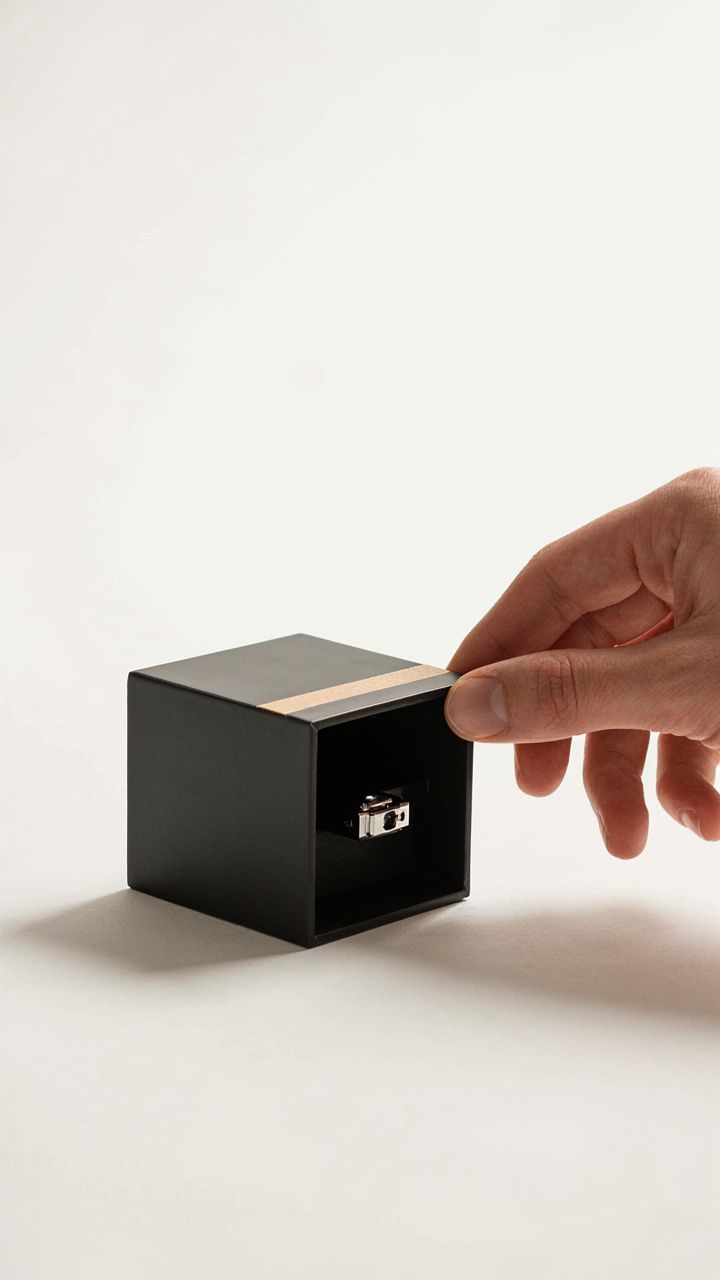
Where Texture Becomes Currency
You care about this because packaging signals whether you made a smart purchase or wasted money before you even open the box. Tactile finishes work like a material credibility stamp. Matte coatings, embossing, foil accents, and uncoated kraft paper aren’t decoration—they’re friction generators that force your hand to slow down and register value. The brain processes touch before it processes sight. A rough surface demands attention. A smooth one whispers exclusivity. Premium advent calendars leverage this by deploying different print finishes across the 24 doors, so each unboxing moment feels distinct.

The printing industry calls this variable tactility, borrowed from industrial design’s approach to perceived quality. When a gadget advent calendar uses spot UV on day one and matte black on day three, it’s applying different textural “weights” to different moments. This isn’t random. Brands that understand this stack their best finishes around psychological anchor days—the first door, the midpoint, the final reveal. The mechanism is simple: texture triggers dopamine recognition because it confirms you’re holding something that required deliberate craft, not mass production shortcuts.
Why Unboxing Is Engineered, Not Accidental
Most people think unboxing satisfaction comes from the gadget itself. It doesn’t. It comes from the friction between expectation and reveal. Each door of a premium advent calendar manipulates this deliberately through its finish choices. Glossy finishes create visual pop and reflect light, making the moment feel premium. Matte finishes absorb light and read as intentional restraint. Spot UV creates tactile landmarks your fingers find before your eyes do. These aren’t stylistic choices—they’re psychological anchors that extend the dopamine hit from five seconds to thirty.
The timing matters as much as the material. A gadget advent calendar reveals one item per day, which means 24 separate dopamine hits instead of one lump sum. Each day’s door finish controls the intensity of that hit. A textured finish on day 17 resets attention after the mid-calendar slump. A high-gloss finish on day 24 signals climax. The protocol is: design your highest-impact finishes for days one, twelve, and twenty-four, then use mid-tier finishes for the valleys between them.
Things To Ditch In Your Advent Calendar Boxes

The Filler That Signals Laziness
You’re worried people will think you didn’t put real effort into this, so you load boxes with garbage to hit a number. That’s the real mechanism at work. The problem isn’t the items themselves—it’s that filler boxes train the recipient to expect quantity over intention. Every mediocre inclusion teaches them the calendar is about obligation, not thought. You’re diluting your own signal.
- Cheap phone screen protectors: Already outdated by the time they open it. Phone models change yearly, making most protectors incompatible or obsolete before use.
- Generic USB cables: Nobody needs another fraying cable. Most people have a drawer full already, making this the definition of clutter disguised as utility.
- Scented candles under $8: Low-quality wax with artificial fragrance. They burn unevenly and smell nothing like the label promises after the first hour.
- Novelty socks with worn-out jokes: The humor dies on day one. Tech people care about function—merino wool or moisture-wicking matters; memes on cotton do not.
- Phone pop sockets in basic colors: Trend peaked five years ago. They collect lint, damage phone resale value, and occupy box space without utility or delight.

Stop treating the calendar like a lottery ticket. Each box should contain something the recipient would actually reach for or use. Filler teaches scarcity of thought, not abundance of care.
Why Novelty Defeats Purpose
Economics calls this the “diminishing marginal utility” problem—adding more items of declining value actually reduces total satisfaction. Each mediocre item next to a quality item makes the quality item feel smaller by comparison. Your brain processes the calendar as a collection, not individual moments. One thoughtless box undermines ten intentional ones.
Tech people are signal readers. They notice when you bought something because it fit the box versus when you bought something because it matched their actual interest. Generic items broadcast indifference masked as generosity. The moment they see filler, they mentally downgrade everything else in the calendar. Replace volume with precision instead.
The “Advent” Of Strategic Gifting

Align Gifts To What They Actually Want
You’re hoping a gadget advent calendar solves the gift-giving problem without forcing you to pay attention to who the person actually is. It won’t. Borrow from supply chain logic: inventory only moves when demand exists. A gadget with no connection to your recipient’s existing goals becomes dead weight on day two.

Map each gift backward from a problem they’ve stated or a project they’ve mentioned. A photographer needs lens filters before they need a camera strap. Someone learning music production needs an audio interface before novelty USB gadgets. Start by listing three things the recipient actively does, then select gadgets that remove friction in those areas only. Misalignment kills the entire concept.
Present Value Against Perpetual Use
The common advice about “daily drivers” versus “fun surprises” misses the mechanism entirely. Economics distinguishes between consumption goods and durable goods. A gadget advent calendar mixes both, which creates a decision problem: some items get used once, others for years. The tension is the point.
Sixty percent of your selections should solve recurring problems or integrate into established workflows. The remaining forty percent can be experiments or mood items. This ratio prevents the calendar from collapsing into either pure utility or pure novelty. Track which items the recipient actually pulls out after January. Those become your baseline for future calendars. The goal isn’t happiness on opening day. It’s utility on day ninety.
The “Countdown Gifts” Investment Strategy

Build One Thing Across Twenty Five Days
You want permission to spend money without feeling wasteful. That’s the real draw here. The mechanism is component stacking: you buy individual pieces that assemble into a complete system, so each window feels like a standalone gift while the cumulative value hits hard on day twenty five.
This works because your brain processes the total differently when it arrives fragmented. A fifty dollar wireless charger feels expensive alone. But when it’s the final piece of a two hundred dollar smart home bundle that arrived daily, the psychology shifts. You’ve already emotionally invested in the ecosystem through twenty four prior opens.
Front Load Value, Back Load Assembly
The mistake everyone makes is treating each day equally. That kills momentum by day ten. Real strategy frontloads the expensive anchor items (tablets, quality earbuds, smartwatches) in the first week, then fills gaps with supporting accessories and software subscriptions that amplify what you already opened.
This phased delivery mechanism mirrors economic principle of diminishing marginal utility, but inverted. Each subsequent cheaper item gains perceived value because it solves a problem introduced by the item before it. A phone stand matters more after you’ve opened a flagship phone. Charging cables matter more after opening wireless devices. You’re not just delivering gifts, you’re architecting dependencies.
The Real Obstacle Isn’t Finding Cool Gadgets, It’s Your Addiction To Novelty Over Genuine, Long-term Utility

You don’t need another gadget advent calendar. You need to stop confusing excitement with value. Every December you’ll chase the next shiny thing, and by February it’ll collect dust while you hunt for the next hit. The shift happens when you pick gadgets that solve actual problems in your life, not gadgets that look good in an unboxing video. Go through your drawer right now and identify one tool you actually use daily. Build your advent calendar around that one category. The gadget that changes your life isn’t the one that impresses people at dinner parties, it’s the one you forget you’re using because it simply works.