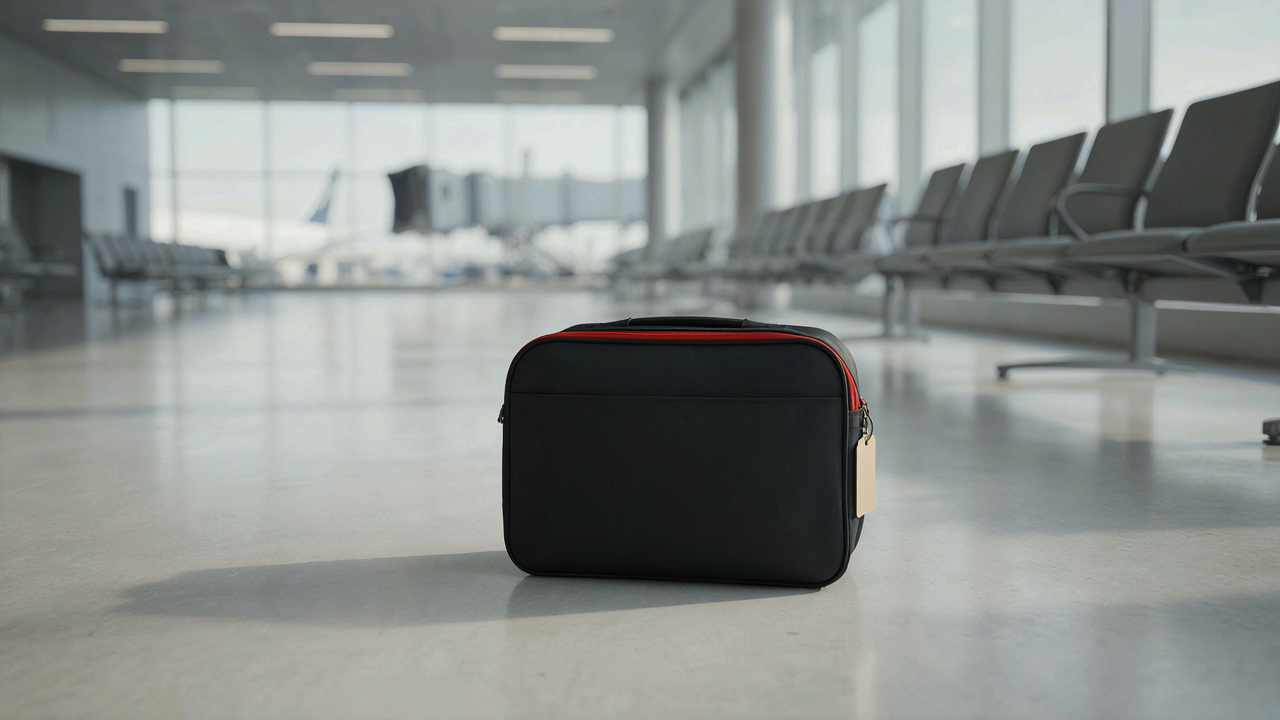
The Personal Item Paradox: Why Less Is Actually More

What Baggage Fees Actually Cost You
You want to pack everything because you’re afraid of looking unprepared. But here’s the mechanism: budget airlines charge per kilogram or per bag because weight directly impacts fuel consumption and turnaround time. Economics calls this variable cost pricing. In packing terms, it means every item you add has a real price attached, not just the fee you see at check-in.
Most travelers do the math wrong. They compare a fifty-dollar baggage fee to the “value” of bringing an extra shirt. That’s incomplete. The real cost includes standing in line, waiting for checked bags, and losing mobility in the airport and at your destination. A personal item kept close eliminates all three. You move faster, access what you need immediately, and avoid the psychological tax of tracking another bag.
The Weight You Carry Isn’t Just Physical
Your brain treats packing decisions like inventory management, and every item you don’t use becomes cognitive debt. Psychology research on decision fatigue shows that unnecessary choices drain mental resources. Bring ten shirts on a five-day trip and you’ve added nine daily decisions you didn’t need to make.
The mechanism is simpler than most admit: the less you own with you, the fewer things you can worry about losing, damaging, or deciding between. A ruthlessly curated personal item forces intentionality. You pack only what serves a purpose. This isn’t minimalism as lifestyle philosophy. It’s operational efficiency. Before boarding, audit your personal item. Remove anything you haven’t touched in the planning phase. That’s your filter.
Strategic Personal Item Elimination: The 80/20 Rule For Travelers
The Core Items You Actually Use
You want to feel prepared without admitting you’re terrified of forgetting something critical. Here’s the mechanism: apply Pareto’s principle from economics to your packing list. In economics, the 80/20 rule states that 80 percent of outputs come from 20 percent of inputs. With personal items, this means 80 percent of your travel needs get met by roughly 20 percent of what you pack. Identify those items first. Everything else is noise.
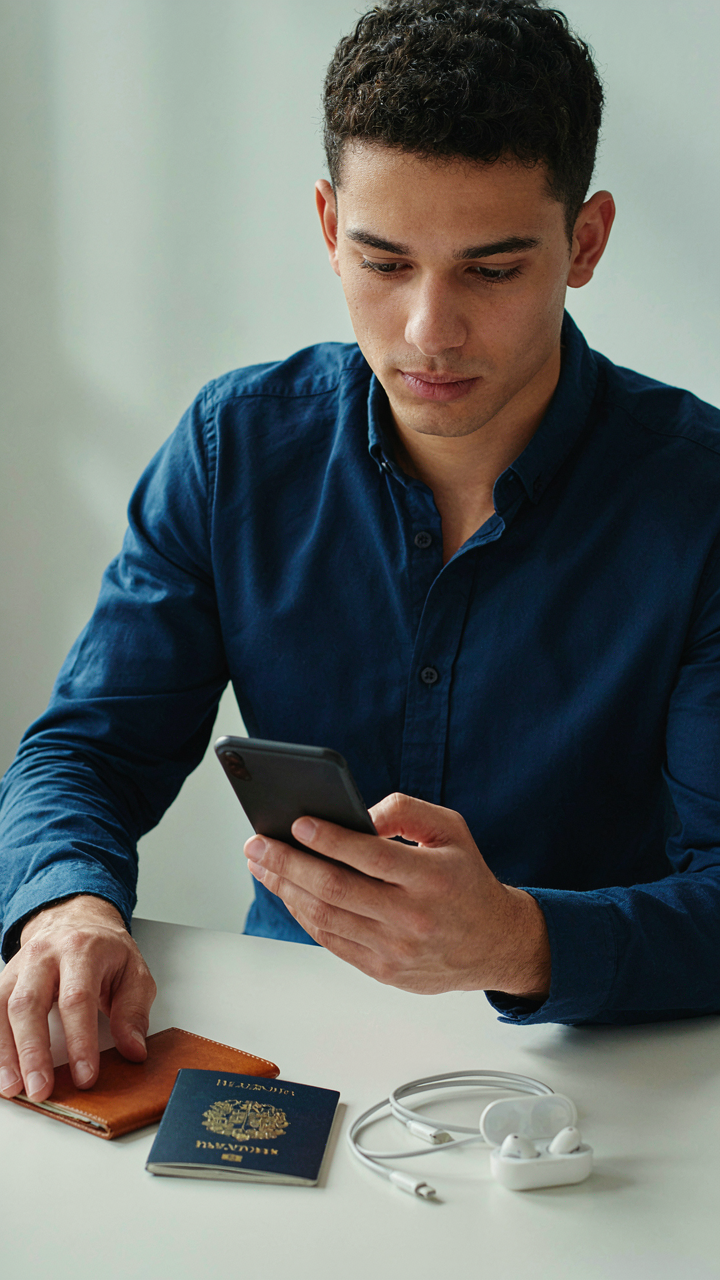
Your phone, wallet, and documents form the irreducible core. Add medications if you take them daily. Include one charging cable and headphones. These six items solve 80 percent of your actual problems on a budget airline flight. You don’t need a backup portable charger, a second pair of sunglasses, or three different lip balms. The anxiety telling you otherwise is just your brain refusing to trust probability. Strip down to what you reach for on every single trip, then stop.
Cut Everything Below The Twenty Percent Threshold
Common advice says “pack what you think you need, then remove half.” That’s lazy and wrong. You won’t remove half because you’ll rationalize why each item stays. Instead, do this: list every item you’ve packed on past trips, then track which ones you actually used. Items used fewer than two times across five trips get eliminated immediately. Your backup phone charger, the “just in case” medications, the extra socks, the entertainment you never touched. Gone.
The mechanism here is friction. Items below the 20 percent threshold create friction without delivering value. They take up space, create mental load, and force you to rearrange your bag at security. Budget airlines charge for checked bags specifically to make personal item space precious. Treat it like currency. Every item must earn its spot through actual usage, not hypothetical scenarios you’ve invented. Calculate which items you’ve genuinely needed versus which ones you packed out of fear, then eliminate the fear-based ones with no negotiation.
The Personal Item Bag Travel Packing Lists: Multi Functionalism Over Specialization

Choose Items That Compound In Utility
You want to feel prepared without looking paranoid. The real mechanism here is economic efficiency applied to physical space: you’re optimizing for density of usefulness per cubic inch. Budget airlines don’t care about your comfort, so every item must justify its weight by doing more than one job.

A scarf does six things: neck warmth, head covering, makeshift pillow, emergency bag, sun protection, and blanket substitute. A microfiber cloth handles glasses, screens, spills, and drying. A multi-tool eliminates the need for scissors, a knife, a bottle opener, and a screwdriver. One item solving one problem is waste. One item solving four problems is strategy.
Eliminate Gadgets Built For A Single Moment
Most travel advice is written by people selling travel gear, so they invent fictional problems that only their gadgets solve. The neck pillow industry built an empire on convincing you that your neck is too special to rest on anything else. It isn’t. A compression bag takes up space to save space, which is a paradox nobody mentions.
Your phone charger already handles what most travel gadgets attempt. A portable battery extends it. A universal adapter covers all regions. Beyond that, you’re buying anxiety. Replace the specialized travel jewelry organizer with a zippered pouch. Replace the travel pillow with your jacket rolled tight. Replace the “wrinkle release spray” with cold water and a flat surface. Test every item by asking: would I use this at home for the same purpose?
What To Pack In Your Personal Item: The Digital Nomad Protocol

Why Your Tech Stack Matters More Than Your Luggage
You want to look like someone who travels constantly without appearing desperate about it. Here’s what actually happens: your personal item becomes your operational command center during the flight, in the airport, and during layovers. Everything else is secondary. Budget airlines don’t care about your checked bag delays—your personal item determines whether you can work, navigate, or stay sane for 12 hours. Phone, small laptop, and e-reader are not luxuries. They’re the three-point system that keeps you functional when everything else fails.
The mechanism is inventory reduction through purpose stacking. Your phone handles communication, navigation, and entertainment. Your laptop handles work, banking, and complex tasks that require a real screen. Your e-reader handles the reading load without draining battery or requiring WiFi. Most people pack overlapping devices, creating dead weight and decision paralysis. This setup eliminates that. Each device owns one job. You bring exactly what produces output—nothing more.
Backup Protocol For The Moment Your Documents Disappear
Budget airlines lose things. Your government doesn’t care. This is why you run digital first, physical second. Applying portfolio theory to personal item security means you store documents across multiple formats so no single failure point destroys your trip. One encrypted digital copy in cloud storage is not a backup—it’s a single point of failure. You need redundancy built into your physical kit.
- Passport photograph (color copy): Store separately from your actual passport. Airlines and consulates recognize this. Replaces your passport faster than a full replacement process if the original is lost during travel.
- Digital copies (encrypted USB or cloud): Scans of passport, visa, travel insurance, bank cards, and flight confirmations. Access them offline if internet fails or if you need proof without exposing originals.
- One physical backup document: Keep a laminated photocopy of your passport first page and visa pages in a separate pocket. Weighs nothing, survives water damage, and works when your phone battery dies.
- Travel insurance card and policy number: Store the card plus a photo of it on your phone. Insurance companies verify claims by reference number—you don’t need the physical card to file a claim.
- Bank emergency contact and account numbers: Write these on paper and seal them in a separate compartment. Your bank can issue replacements without the card if you have account verification ready.
Store digital copies in a separate folder encrypted with a strong password. Store the physical backup in a different pocket than your actual passport. When your main documents get damaged or lost, you move to your backup system immediately without waiting for embassy appointments.
Personal Bag Packing List: Harnessing Economic Principles Of Scarcity

Your Bag Space Is A Zero Sum Game
You want to pack everything because you’re afraid of being caught unprepared. That’s the real reason this matters. But here’s the mechanism: economics calls this the problem of scarcity, and your personal item operates under the same rule as a budget airline’s cargo hold. You have fixed space. Every item you add removes the physical capacity for something else. This isn’t a metaphor. This is the actual constraint you’re working within.

The common advice tells you to “pack light” and “be strategic.” That’s incomplete. What you actually need is a ranking system based on consequence, not preference. An extra shirt feels optional until you spill coffee on yourself at a layover. A phone charger feels obvious until your battery dies before you land. The difference between packing with intention and packing with hope is measurable: one gets you through the trip, the other leaves you stranded.
The Hidden Cost Of Each Item You Include
Every object you pack trades against something you can’t bring. Economics calls this opportunity cost. Take a hardcover book. It occupies the space a second pair of shoes could fill. If your trip involves walking terrain you didn’t anticipate, the book becomes a regretted choice. Most people ignore this trade. They pack based on what they think they might want, not what they’ll actually need across multiple scenarios.
The mechanism is simple: map every item against two questions. First, what problem does it solve? Second, what happens if that problem occurs and you don’t have it? If you can’t answer both with clarity, it stays home. A travel adapter solves a real problem with a genuine consequence. A compression sack is convenient but not consequential. One earns its space. The other doesn’t. Before you seal your bag, do a final audit: remove the three items that solve the weakest problems first.
Travel Life Hacks: The Emergency Contingency Kit, Not The “Just In Case” Haul

What Actually Counts As An Emergency
You’re packing extra items because you fear looking unprepared, not because you’ve actually mapped what breaks down on a flight. Here’s the mechanism: your brain conflates “comfort disruption” with “emergency.” They’re not the same. True emergencies in budget airline travel are binary—they either prevent you from functioning or they don’t. A delayed flight means nothing if you have your medication. A lost baggage claim means nothing if your essentials fit your personal item. Everything else is noise.

Medicine, documents, and basic hygiene are the only categories that matter. Prescription medications, copies of IDs, and items you cannot replace at your destination go in your personal item first. Everything else gets evaluated against this standard: would I be genuinely unable to complete my trip without this? If the answer is no, it doesn’t belong in the contingency kit. Budget airlines don’t guarantee overhead bin space or baggage retrieval timelines, so your personal item becomes your insurance policy, not your comfort buffer.
The Hard Line Between Necessity And Desire
Most packing advice tells you to bring “extras of everything.” This is wrong. The distinction comes from inventory management: you’re managing scarcity, not hoarding against possibility. A need solves a specific problem that blocks your travel. A want makes travel more pleasant. Budget airlines force this distinction because your personal item has finite space and weight limits.
- Prescription Medications: Non-negotiable. Airlines lose baggage; pharmacies don’t exist at every destination. Keep a 3-day surplus in original containers with pharmacy labels intact.
- Phone Charger And Cable: Functional necessity for navigation, communication, and booking changes. Wired chargers are lighter than power banks for short trips under 48 hours.
- One Change Of Underwear: Single backup prevents laundry emergencies if checked luggage arrives late. Synthetic materials dry faster than cotton in budget hotel sinks.
- Prescription Glasses Or Contacts: If you need them to see, they’re a need. If you wear them for comfort, they’re a want. Know which one you have and pack accordingly.
- Minimal Toiletries: Travel-size deodorant and toothbrush only. Everything else exists at your destination or isn’t worth the ounces. Hotels provide soap.
The protocol: before packing any item, name the specific problem it solves. If that problem can be solved by purchasing an item at your destination or borrowing from your hotel, it’s a want. If the problem blocks your ability to travel or work, it’s a need. This filter eliminates 60 percent of what most people pack. Your personal item space opens up immediately.
Personal Item Checklist: Optimize Your Onboard Experience
Entertainment And Comfort That Actually Works
You want to avoid looking bored or anxious in front of strangers, but the real mechanism here is attention displacement. Your brain needs something to focus on besides the pressure change and confined space. Budget airlines don’t provide seatback screens or complimentary entertainment, so you’re competing for mental real estate the moment you sit down.

Noise-canceling earbuds outperform regular headphones on flights because they reduce cabin pressure perception, not just volume. Download content before boarding—streaming fails at altitude. A book or downloaded episodes occupy your mind without draining battery. Neck pillow design matters less than positioning: support behind your head, not under your chin. These aren’t luxury items. They’re cognitive tools that make the experience tolerable.
Documents And Money Within Arm’s Reach
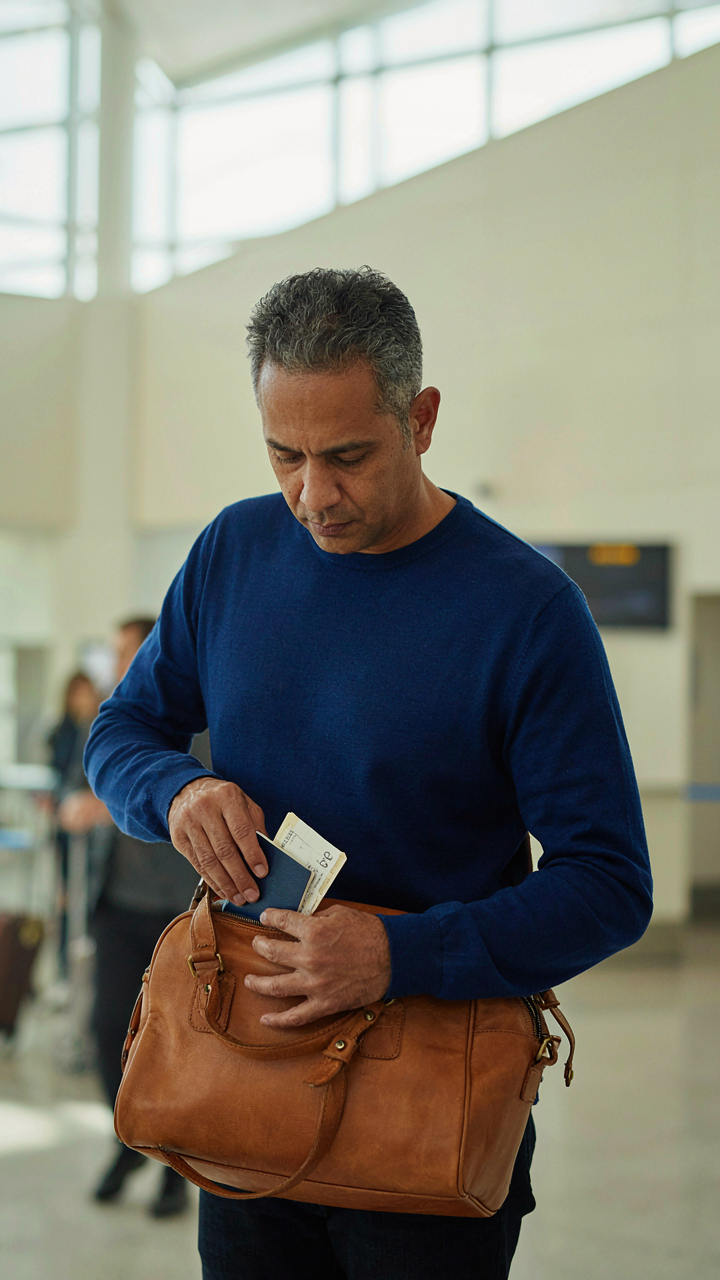
Security theater demands quick access to your ID and boarding pass, but the real reason you organize this section is friction reduction during the scramble. Every second of fumbling signals you’re unprepared, which signals you travel rarely, which signals you pay more than necessary for flights.
Keep your passport, boarding pass, and wallet in the same zippered pocket of your personal item, never buried in the bottom. TSA agents and gate staff move fast. They won’t wait. A separate small pouch for these three items beats a backpack with five compartments. Position it where your hand reaches it without removing the bag from under the seat. During boarding, you retrieve documents once, show them, and move. That’s the protocol. Anything slower costs you overhead bin space or boarding group status.
Personal Item Packing: The Anti Fragile Traveler’s Approach
Pack What You Can Afford To Lose
You want to feel prepared without the anxiety of losing something expensive. The real mechanism is this: your personal item gets handled more than checked luggage. Flight attendants stuff it in overhead bins. You jam it under the seat. Security screeners toss it on scanners. Airport staff move it around during layovers. The items inside experience constant friction, pressure, and neglect. Stop packing things you’d regret losing. This isn’t about being cheap. It’s about removing the psychological tax of worrying about your stuff while traveling.

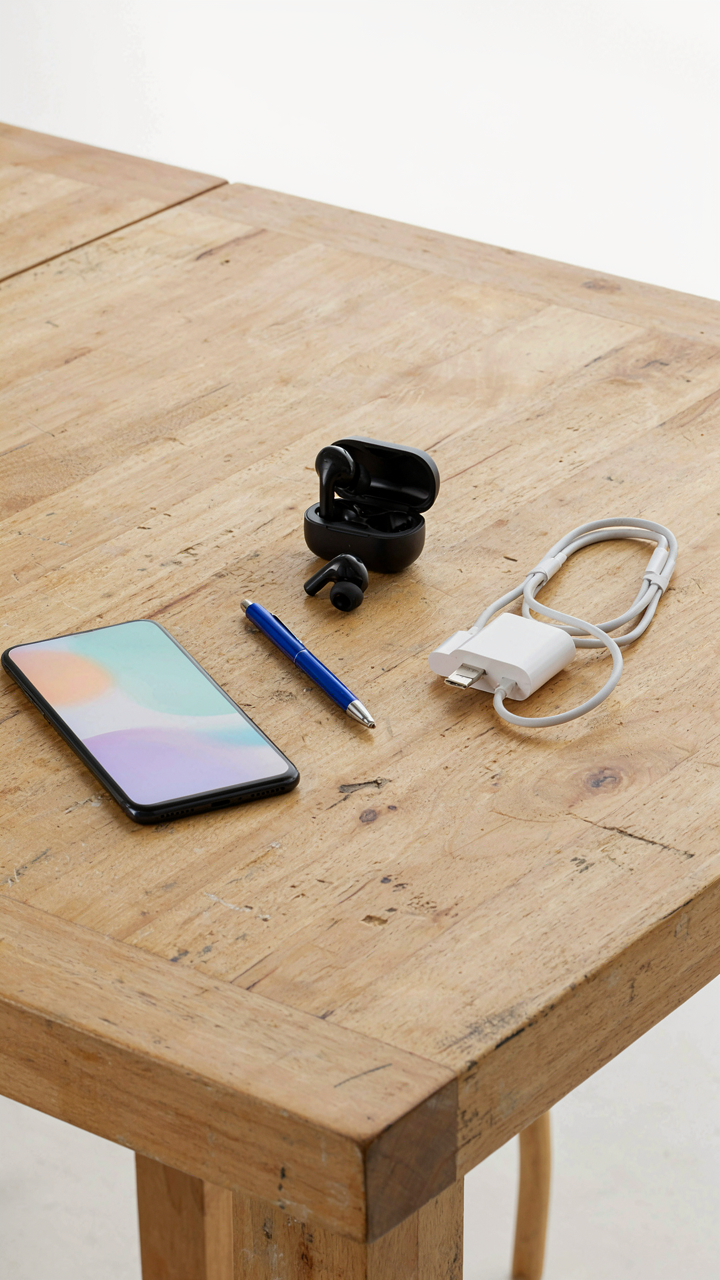
Bring duplicates of essentials, but make them the replaceable versions. A ten dollar phone charger works identically to a fifty dollar one for a four hour flight. A basic pen costs nothing. Travel-size toiletries cost less than full sizes anyway. Generic earbuds from a convenience store perform the same function as premium ones during a flight. The goal isn’t luxury. The goal is friction-free replacement if something breaks or vanishes. You land knowing nothing in your personal item was worth the mental load.
Strategic Redundancy Over Minimalist Perfection
Military logistics borrowed the concept of redundancy from systems engineering, and it applies directly to what goes in your personal item: you build backup pathways for critical functions, not backup items for everything. The consensus advice says pack light. That’s incomplete. The real problem isn’t weight. It’s single points of failure. One charger dies and your phone becomes useless for hours. One pen runs out and you can’t sign documents at customs. One pair of earbuds breaks and you’re stuck with airport noise. Strategic redundancy means you identify three to five things that disable your entire trip if they fail, then you pack two of each.
Never pack backup luxury items. Only backup critical items. Critical means: something that stops you from functioning on the plane, at the gate, or during a connection. A phone charger qualifies. An extra sweater does not. A second pair of glasses qualifies if you wear them. A backup deodorant does not. Calculate the cost of replacing each critical item at an airport convenience store, then decide if carrying a second one makes sense. Usually it does. This removes the gamble from travel and lets you focus on what actually matters.
The Personal Item List: Recalibrating Your Travel Mindset

Stop Collecting, Start Deciding
You want permission to travel light without feeling like you’re missing something. That’s the real question. The mechanism is simple: consumer culture trains you to own options. Budget airlines force you to choose. The personal item isn’t a container to fill—it’s a filter that exposes what you actually use versus what you think you might need.

Most people pack based on hypothetical scenarios. “What if I get cold?” “What if I need to work?” “What if my luggage is delayed?” Budget airlines eliminate that luxury. You stop buying peace of mind through excess and start buying it through ruthless prioritization. This shift separates people who travel frequently from people who travel occasionally but stress constantly.
Friction Buys You Optionality
Economics calls it the scarcity principle—constraints breed creativity. A smaller personal item forces real trade-offs. You can’t carry both a laptop and a thick novel. You can’t have five shirt options and a full toiletry kit. Those constraints aren’t punishments. They’re decision-making frameworks that strip away the noise.
The counterintuitive benefit: less stuff means fewer things to manage, track, and worry about during travel. You move faster through airports. You board quicker. You arrive with mental clarity instead of logistical fatigue. This is the actual mechanism at work—inconvenience at the packing stage buys freedom and flexibility once you’re traveling. Start asking not what you might need, but what happens if you don’t have it and how quickly you can solve that problem.
Your True Obstacle Isn’t The Airline’s Size Limits; It’s Your Addiction To Excess

Budget airlines didn’t create your packing problem. You did. The size restriction is just the mirror. You’ll keep overpacking until you accept that most of what you own is insurance against scenarios that won’t happen. Stop asking what might fit. Start asking what you actually need. Open your closet right now and remove one item you’ve never worn. That’s your real packing list starting point. Everything else is just noise you’re paying to carry.