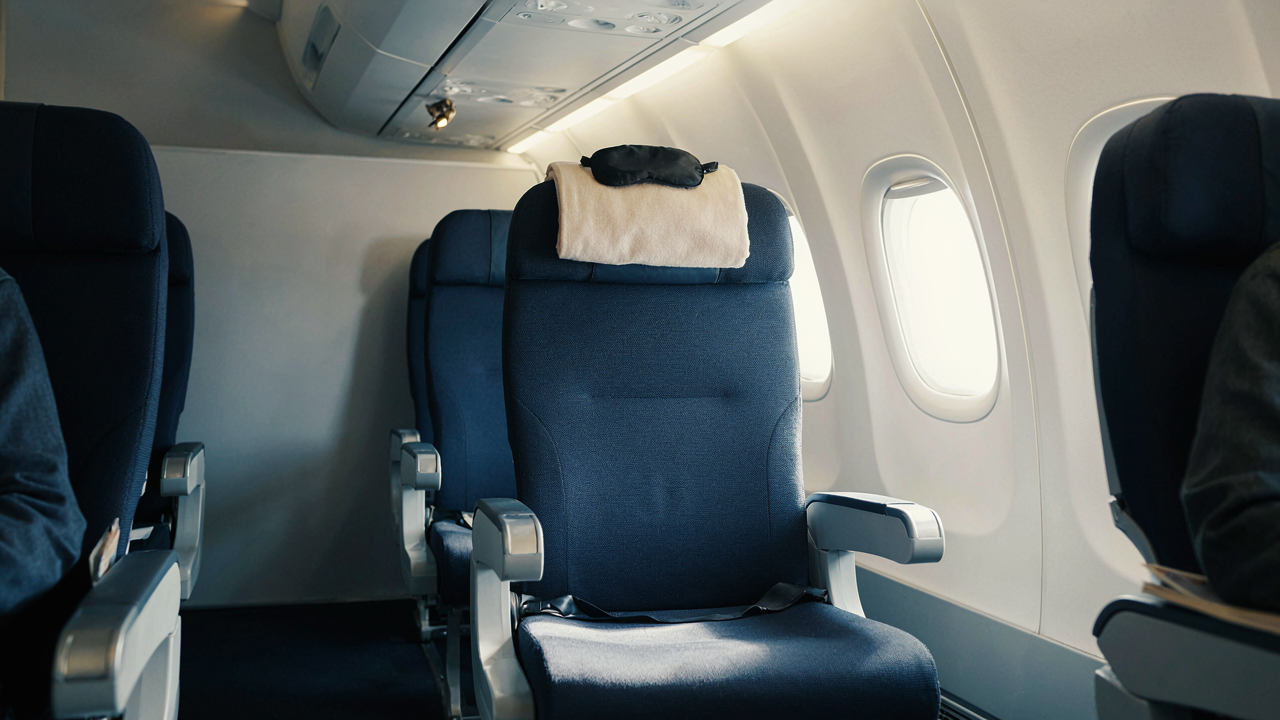
The Pre Flight Blueprint: Engineering Your Descent Into Sleep
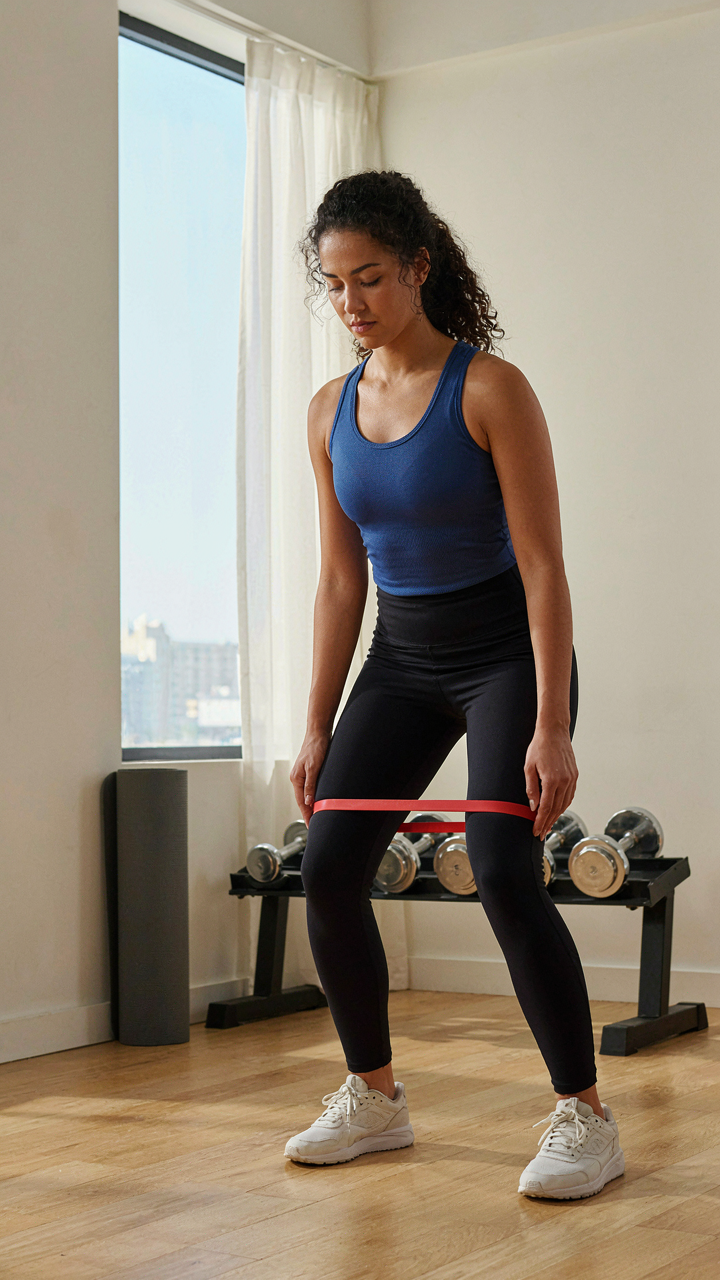
Burn The Right Energy Before Boarding
You want to sleep on a plane because you’re afraid of wasting eight hours conscious, watching time evaporate while your body sits trapped. The mechanism is simple: sleep onset speed correlates directly with physical depletion. Your nervous system doesn’t care about willpower or darkness or white noise. It cares about whether your muscles have ATP left to burn.
The common advice says “exercise the day before.” Wrong frame. You need strategic exhaustion two to four hours before boarding, not twelve. Light resistance training, stairs, or a thirty minute run depletes glycogen in slow twitch fibers without triggering cortisol rebound. Your body will prioritize recovery sleep over wakefulness because the metabolic demand is active, not historical.
Melatonin Timing: When To Take It
Melatonin is not a sedative. It is a circadian phase shifter borrowed from chronobiology, the study of biological timing. Taking it six hours before your target sleep time advances your sleep phase. Taking it two hours before merely signals your brain that darkness is coming, which does almost nothing on a bright airplane cabin.
The precision matters more than the dose. Ingest between 0.3 and 0.5 milligrams two to three hours before takeoff, then again two hours into the flight if needed. Your pineal gland responds to actual blood concentration, not hope. Take it with food that includes fat to slow absorption and extend the effect window during flight.
The Contradiction Of Comfort: Why Less Is More
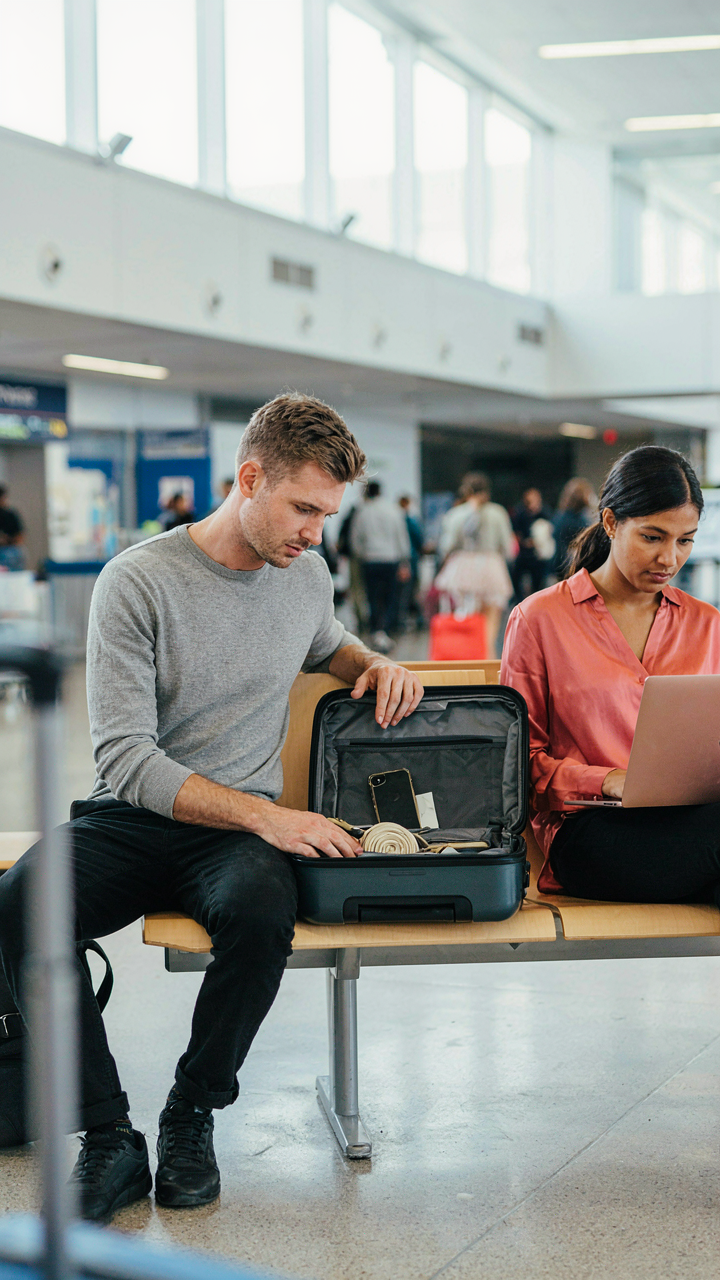
Pack Like You’re Confined To A Box
You want to bring everything because you fear looking unprepared. Here’s the mechanism: every item you pack creates friction in a space where friction kills sleep. In physics, constraint forces work against movement. On a plane, your carry-on becomes a constraint force. The middle seat passenger who sleeps uses 40% less overhead space than the aisle sleeper. Your bag should contain only what prevents you from sleeping worse, not what makes you feel secure.
Most advice tells you to “pack smart.” That’s useless. Instead, pack only items that serve one function: reducing the variables that disrupt sleep. Neck support gets one device. Entertainment gets your phone. Comfort gets one layer. Everything else stays home. A lighter load means easier repositioning when your leg goes numb at hour four. You move faster between uncomfortable positions, which paradoxically helps you find the one position your body accepts.
Forget The Pillow Industry’s Design
The travel pillow market exists because companies convinced you that bulk equals support. Memory foam, gel inserts, wraparound designs, inflatable collars. All of it occupies space without solving the real problem: your neck needs lateral support, not a prop that takes up your lap and armrest. The minimal solution works because it removes the object between you and the seat.
A compression neck wrap or a thin scarf folded strategically costs ounces and takes three inches of bag space. It provides enough stability for your head to rest against the window or seat without the dead weight of a traditional pillow. When you remove the pillow, you reclaim your lap, your armrest access, and the psychological relief of not defending a lumpy object. Pack nothing that requires defending. Your sleep starts the moment you stop managing gear.
The Sensory Deprivation Protocol For Airplane Sleeping Hacks
Noise Canceling Headphones As A Psychological Barrier
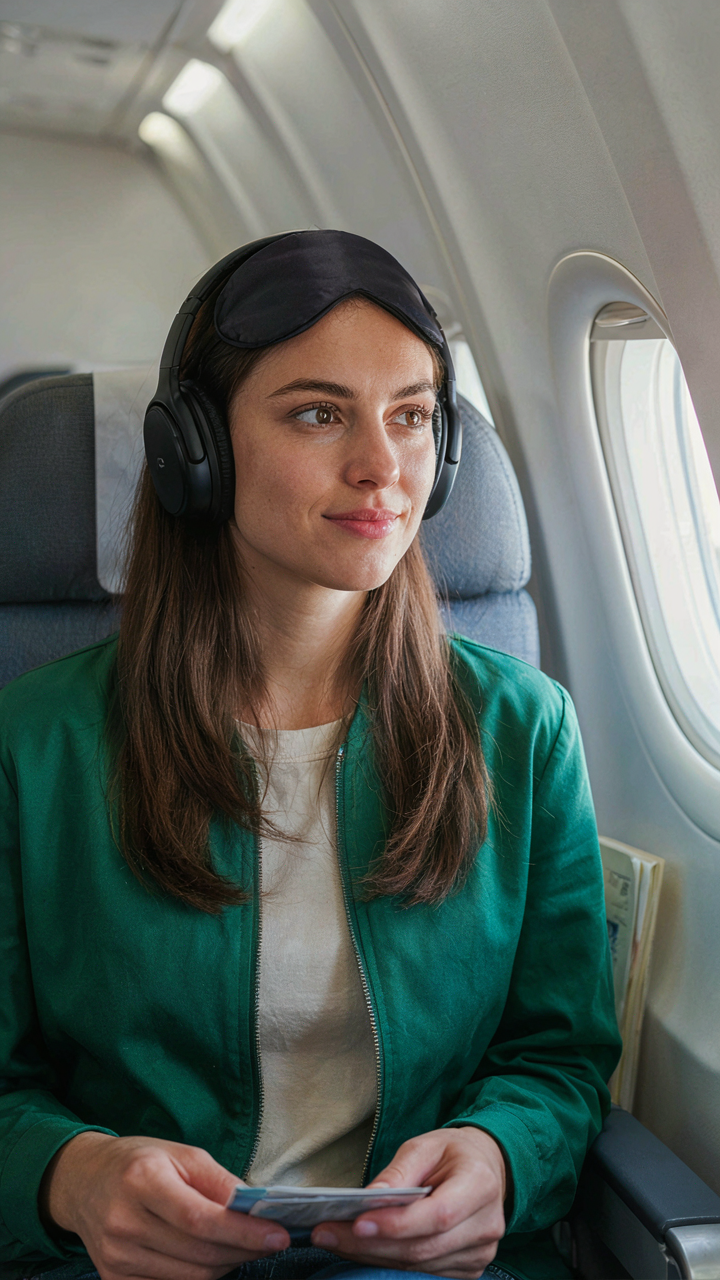
You want noise-canceling headphones to work like magic because you paid for them and admitting they’re mostly theater feels like waste. Here’s the mechanism: your brain treats external noise as a threat signal that keeps the nervous system aroused. Active noise cancellation eliminates that threat signal by feeding inverted sound waves into your ear, which drops your baseline vigilance. You’re not actually hearing silence. You’re hearing the plane’s frequency patterns flipped 180 degrees, which your brain interprets as safety.
The real play isn’t the technology itself. It’s that headphones create a boundary marker between you and the cabin environment. Your neighbors see them and don’t try to talk to you. Your brain interprets them as a permission structure to ignore stimuli. Wear them even if you’re not playing anything. The psychological effect does half the work. Put them on thirty minutes before you want to sleep, not when you’re already desperate.
Eye Masks Eliminate Visual Input Without Effort
Every travel guide mentions eye masks like they’re optional accessories. They’re not. Neurobiology tells us that your eyes drive wakefulness more than any other single input. Blocking light doesn’t just remove a distraction. It removes the primary signal that tells your circadian system it’s daytime, which suppresses melatonin production and keeps you alert. Light penetration ruins sleep architecture faster than noise does.
A proper eye mask blocks light completely, not mostly. Cheap masks with gaps let cabin lights, phone screens, and window glare through, which defeats the purpose. Wear it for the full flight, not just when you’re trying to sleep. Your eyes adjust to darkness within ten minutes, and that adjustment stays in place. Secure it tightly enough that it doesn’t slip when your head moves against the seat or window.
Gravity Hacking: Reclining Without Guilt
Seat Recline And Spinal Alignment
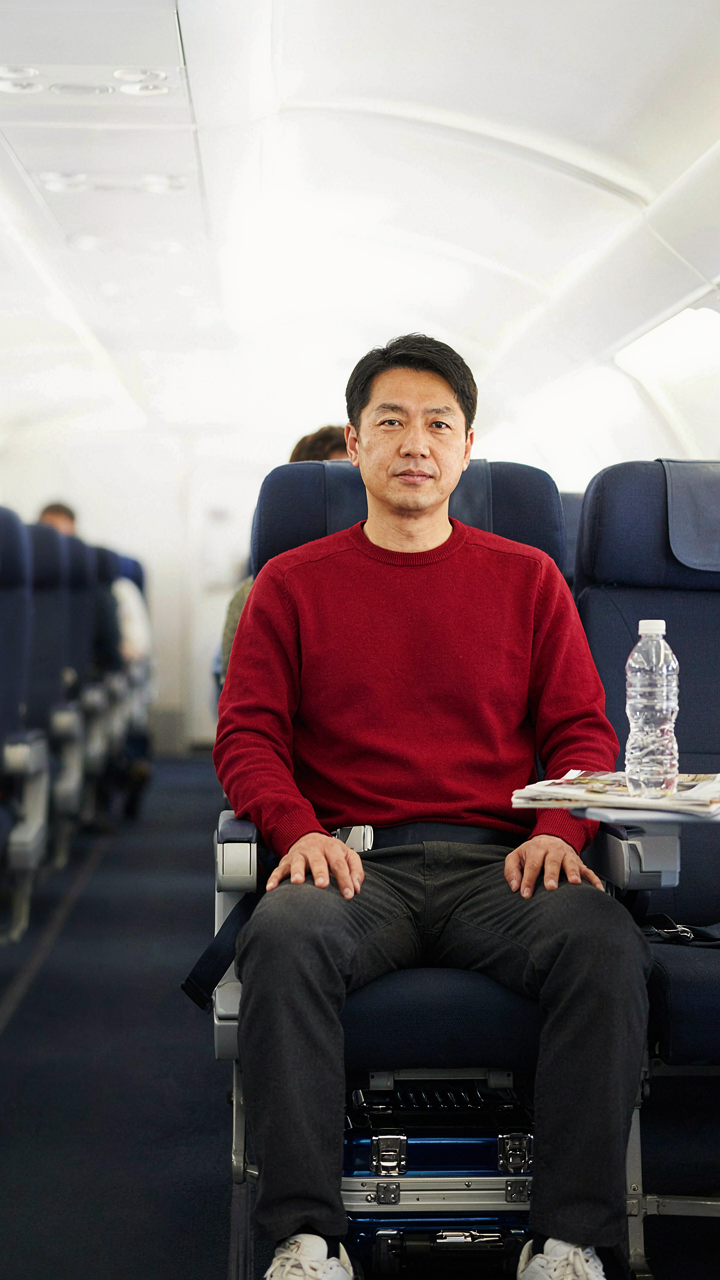
You’re worried the person behind you will hate you. Stop. The mechanism is simple: your spine needs support at specific points to stay neutral during sleep, and seat recline is the only tool you control. Most airlines design seats to recline 6 to 8 inches. That’s not luxury—that’s engineering to reduce pressure on your lumbar discs when your body goes limp.
Recline fully. Your vertebrae stack better at an angle than upright. When you’re awake, sitting vertical feels normal because your muscles brace everything. Asleep, those muscles relax and your spine collapses forward. The recline angle redistributes your weight across the seat back instead of crushing your discs. This is basic spinal geometry, not preference. Recline to the stop without hesitation.
Footrests And Leverage
Physics calls it “center of mass.” When your feet dangle, your center of mass shifts forward, forcing your lower back to compensate by tensing. You can’t sleep while your muscles work. The plane armrest footrest, the wall, your carry-on—any elevation below knee level moves your center of mass back and reduces the load on your lumbar spine.
Feet elevated changes everything because your leg weight no longer pulls your pelvis into forward tilt. Prop your feet on the armrest extension, the bulkhead wall, or stack your bag under them. This single adjustment removes constant micro-tension from your hip flexors and lower back. Your body stops fighting gravity and can actually enter sleep. Do this before you recline.
The Hydration Paradox: Balancing Thirst And Rest
Timing Water Intake For Sleep Depth
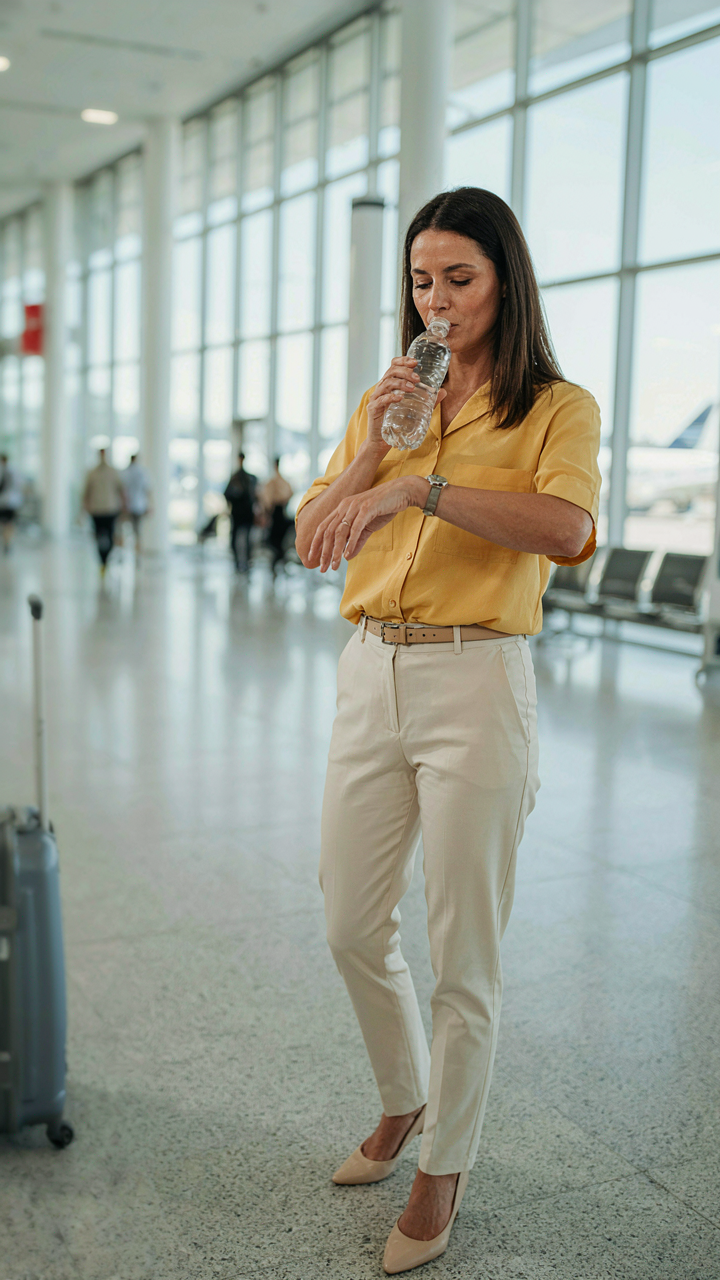
You want the comfort of knowing you’re “doing everything right” on a plane, so you drink water constantly and wonder why you can’t sleep. Here’s the mechanism: your body can’t enter deep sleep while processing fluid intake because it needs to monitor bladder fullness. This is basic neurobiology. Drink 60 to 80 percent of your needed water before boarding, then front-load another 20 percent in the first hour of flight. This gives your system time to process and stabilize before you attempt sleep. After that, sip minimally. One small cup two hours before your target sleep window prevents dehydration without triggering the bladder-monitoring state that keeps you in light sleep.

The timing matters more than the amount. Your kidneys don’t work on a delay. Fluid you consume reaches your bladder within 30 to 45 minutes depending on how much you drink and your individual metabolism. Drink eight ounces of water, then set a hard cutoff. This prevents the 2 AM bathroom trip that kills your sleep cycle. The goal is to arrive at your sleep window hydrated but not processing new fluid.
Eliminating Diuretics That Sabotage Rest
Everyone lists caffeine as a diuretic. That’s correct but incomplete. The real sabotage happens through less obvious compounds that people consume without recognizing the mechanism. Alcohol dehydrates you and fragments sleep architecture, meaning you get unconscious time but never reach the sustained deep sleep phases where actual recovery happens. Energy drinks contain both caffeine and taurine, which amplifies diuretic effect. Even black tea has enough caffeine to matter on an eight-hour flight. Skip all of these for the 12 hours before sleep.
The subtler move: avoid salty foods and high-sodium airline snacks in the 6 hours before sleep. Salt increases thirst and triggers your kidneys to work harder, keeping your sympathetic nervous system slightly activated. This is the state your body enters when it needs to stay alert. You need the opposite. Stick to plain protein, fruit, or vegetables in the hours before sleep. Your body will stay hydrated, your thirst signal stays quiet, and your nervous system can actually downshift into the parasympathetic state where sleep happens.
Middle Seat Mastery: Dominating Your Confined Space
The Armrest Negotiation
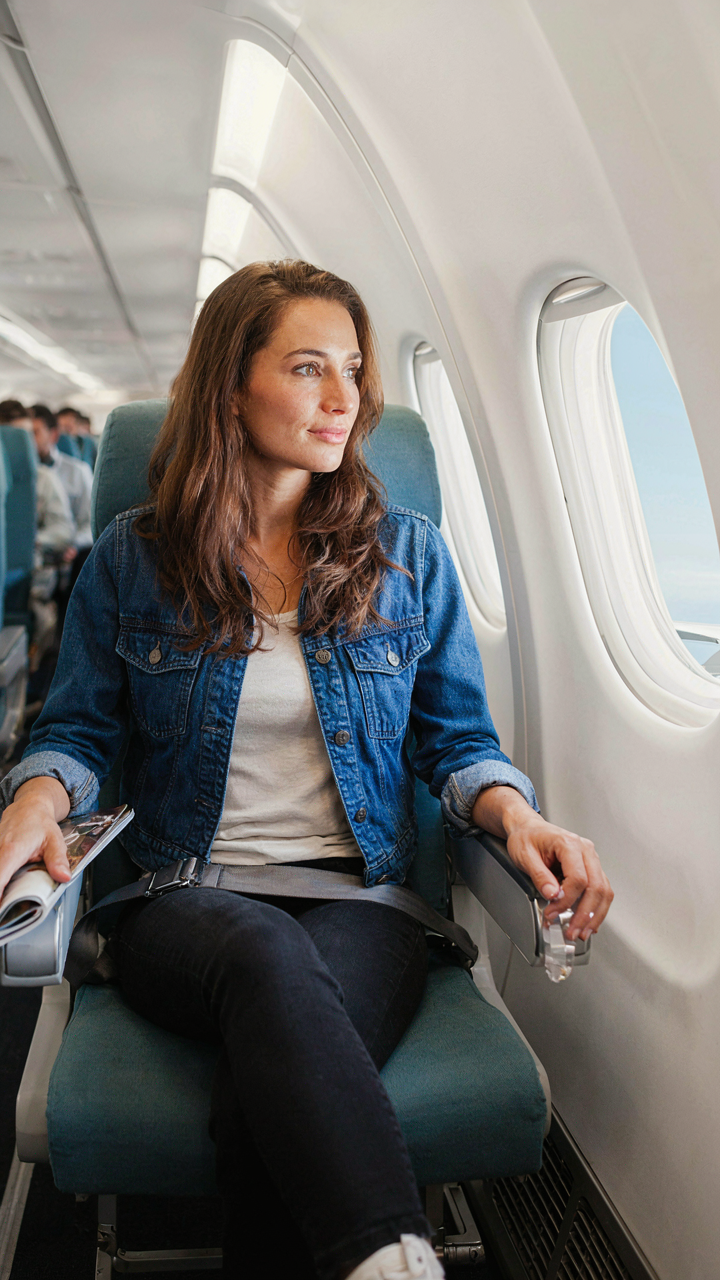
You want the armrest because losing it means losing your territory. That’s the real fear underneath. The mechanism is simple: the middle seat passenger owns both armrests by default because they have no wall or window to stabilize against. Most people don’t claim this because they’re taught to be polite. That’s weak strategy.
Claim the armrest closest to the window seat early. Rest your forearm on it, not your elbow, so you take up minimal width. If the window passenger encroaches, shift your arm slightly forward. They’ll adjust. The aisle armrest stays available for occasional use, but don’t camp there. You’re establishing a neutral zone, not a confrontation.
Angular Positioning For Tight Quarters
Physics calls this triangulation. You use three contact points to distribute pressure evenly instead of stacking it on one side. Sit with your shoulder against the window, your hip centered in the seat, and your opposite knee angled slightly into the armrest gap. This creates a stable tripod your body doesn’t fight against during sleep.
Lean your head back at a 15 to 20 degree angle, not straight up. Your neck vertebrae stack better at this angle than fully reclined. Tuck one knee toward your chest slightly and keep the other leg extended or draped over the armrest if the adjacent seat is empty. This stance prevents the constant micro-adjustments that jolt you awake. You’re locking your body in place rather than leaving it loose to shift.
Post Sleep Reintegration: Waking Up Sharper
Light Exposure Resets Your Circadian Clock
You want to land looking functional because appearing jet lagged signals weakness, so you need to understand how your circadian rhythm actually works. Biology calls this your “phase shift”—the mechanism that tells your body when to sleep and wake. Light is the primary input that controls it. A plane cabin keeps you in artificial darkness or dim fluorescence, which locks your rhythm to nowhere. The moment you land, you need to force a phase shift back to local time, and light is the only tool that works reliably.

Get direct sunlight within 30 minutes of waking. If you land in the morning, seek outdoor light immediately. If you land in the afternoon or evening, avoid bright light for a few hours, then get sunlight before dusk. The specific timing matters because light exposure at the wrong time pushes your rhythm in the wrong direction. Your eyes communicate directly with your suprachiasmatic nucleus, the brain region that governs sleep cycles. Sunlight is stronger than any other stimulus you can manufacture on a plane or in an airport. Use it as your first action post landing, before coffee, before checking your phone.
Movement Restores Blood Flow And Alertness
Sitting for eight to twelve hours followed by more sitting in the airport accelerates cognitive fog. The common advice to “stretch in your seat” is incomplete because it assumes circulation matters equally everywhere. It doesn’t. Your legs contain the largest muscles in your body. When you immobilize them, blood pools. Your brain loses oxygen priority. Waking up confused is partly dehydration, partly low oxygen delivery to your prefrontal cortex from stasis.
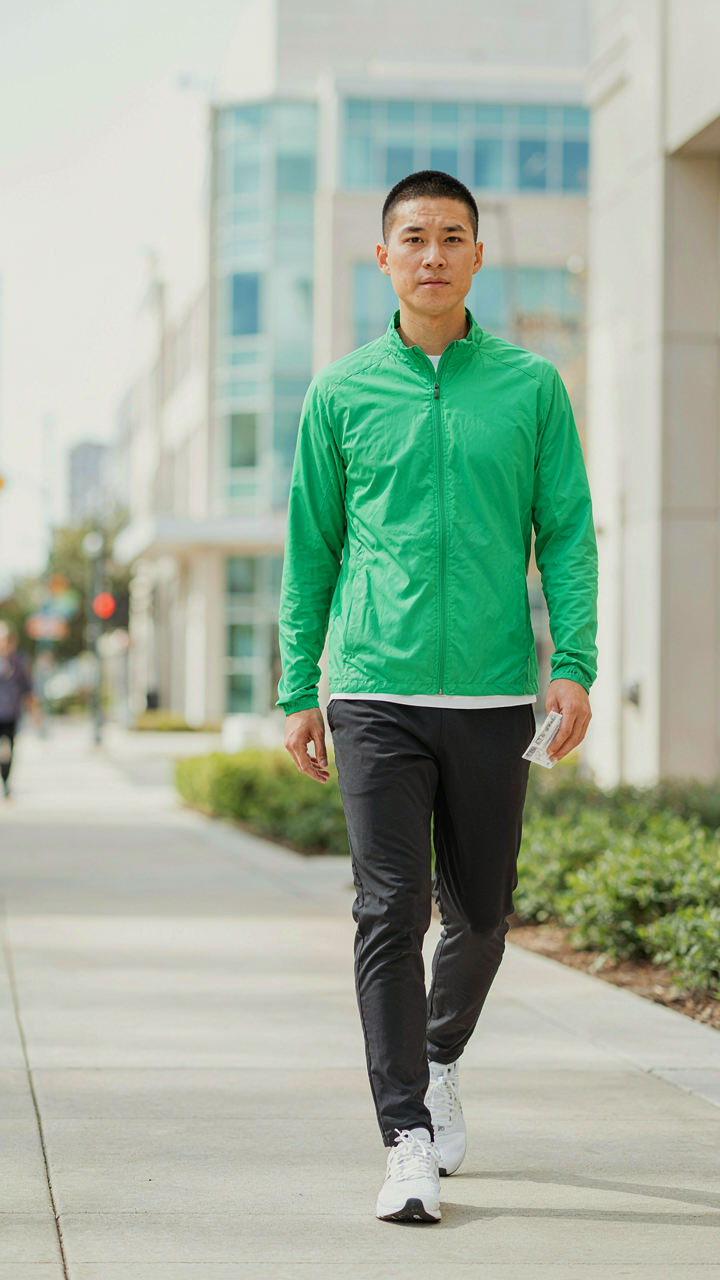
Within five minutes of standing up after landing, walk at a brisk pace for at least ten minutes. Don’t meander. Move with intent. This reestablishes blood flow to your extremities and forces your cardiovascular system to redistribute oxygen upward to your brain. The movement also signals to your nervous system that you’re awake and safe, which suppresses the residual grogginess that sleep inertia creates. Skip the coffee until after this walk. Walk first, then caffeine. This sequence stacks the mechanisms instead of fighting them.
Beyond The Hacks: Cultivating A Traveler’s Resilience
The Nervous System Doesn’t Care About Your Plans
You want to believe that if you follow the right protocol, sleep becomes predictable. It won’t. Your nervous system operates on principles borrowed from neurobiology: adaptation. Just as your body acclimates to altitude or temperature, it learns to filter plane noise, pressure changes, and seat discomfort as non-threats. The mechanism isn’t willpower. It’s repetition until your brain stops treating the environment as a signal that danger is near.

Most sleep advice on planes stops at the pillow and white noise app. That’s incomplete. You’re not fighting the seat. You’re fighting your amygdala’s rejection of an unfamiliar threat landscape. Mental fortitude here means training your nervous system to downregulate in conditions it perceives as wrong. Fly multiple times before expecting sleep to happen. Each flight primes your system. The third or fourth flight is where real sleep becomes possible, not the first one where you’re wired on novelty and cortisol.
Variability Is The Operating System
Treating plane sleep like a formula is why most people fail. The advice industry wants you to believe that earplugs plus melatonin plus a neck pillow equals sleep. Reality is messier. Flight duration varies. Cabin pressure varies. Seat pitch varies. Surrounding passengers vary. Your sleep debt and circadian alignment vary. Adapting to variability means building a flexible response system, not a rigid checklist.
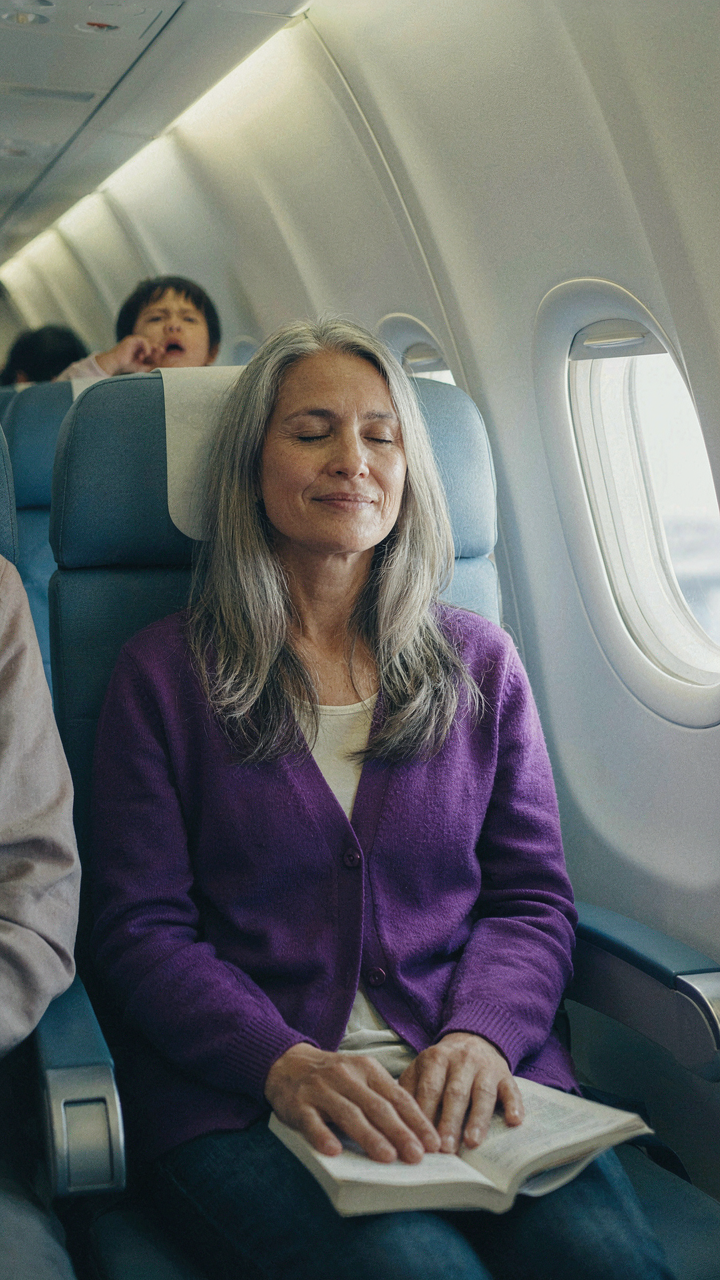
Create a core toolkit: something to block light, something to manage sound, something to stabilize your head. But practice swapping components and conditions. Sleep on a plane with different seat types. Fly on different routes and times of day. Skip one tool and see if the others compensate. The traveler who can sleep on a middle seat in economy with a screaming child three rows back isn’t lucky. They’ve trained their system to sleep despite instability, not dependent on perfect conditions. This resilience becomes your actual asset.
Your Real Obstacle Isn’t The Middle Seat; It’s Your Passive Acceptance Of Discomfort
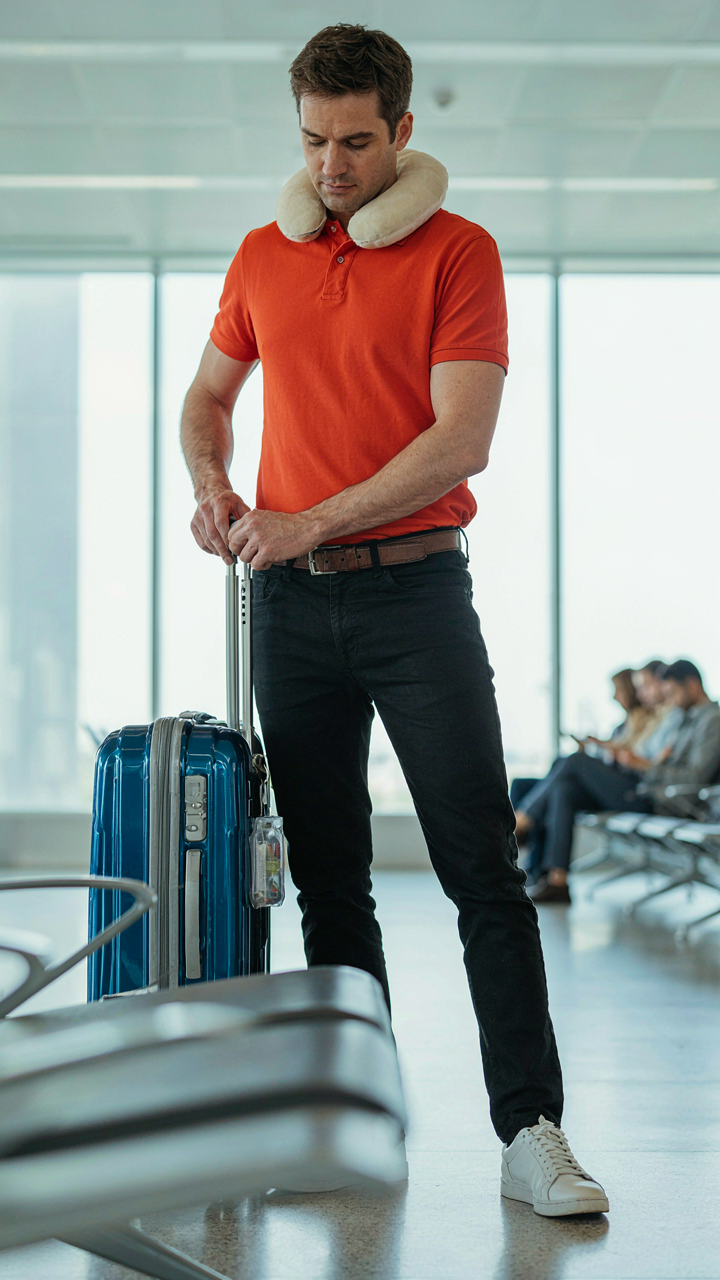
Most people treat plane sleep like a lottery. You either win or you don’t. The truth is uglier: you’ve decided discomfort is permanent, so you never actually fight it. The middle seat isn’t your enemy. Your resignation is. Tonight, before your next flight, commit to one thing: neck pillow, earplugs, or magnesium. Pick one and execute it. The person who sleeps on planes isn’t built different. They just refuse to accept the default. Comfort is a choice you make before takeoff, not something the airline grants you.