
The Importance Of Off Grid Energy Sources

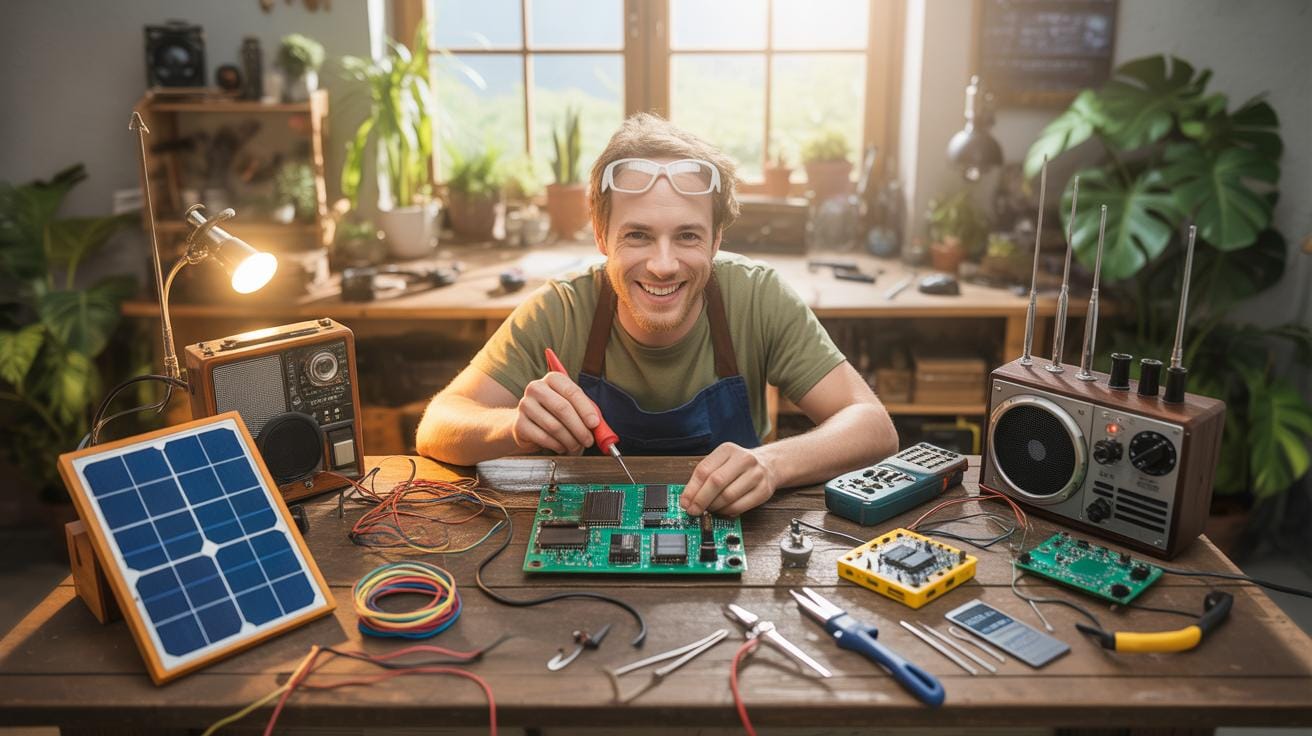
DIY Solar Chargers
When the power grid fails, solar energy becomes your lifeline. Building a DIY solar charger is one of the most practical apocalypse survival electronics projects you can complete at home. Photovoltaic cells convert sunlight directly into electricity. You can combine individual solar cells with a voltage regulator to create a portable charging system for phones, batteries, and small devices.
- Photovoltaic cells: Individual solar panels that generate electricity when exposed to sunlight and form the core of your charging system.
- Voltage regulator: Controls and stabilizes electrical output to prevent overcharging or damaging your devices during the charging process.
- Diode: Prevents electricity from flowing backward through your system when sunlight decreases or becomes unavailable.
- Wiring and connectors: Copper wire links components together while connectors allow you to attach various devices safely.
- Protective case: A weatherproof container shields your solar array from rain, dirt, and physical damage during outdoor use.
Assembly requires basic soldering skills and patience. Start by connecting your photovoltaic cells in series or parallel depending on your voltage needs. Add a voltage regulator to maintain safe power levels. Mount everything in a lightweight frame or case you can carry easily. Your finished solar charger works best during daylight hours and provides steady power for keeping essential devices running.
Portable Wind Turbines
Wind energy works when clouds block the sun. Small scale wind generators offer reliable backup power for apocalypse survival electronics in various weather conditions. You can build one using salvaged DC motors and PVC piping from local hardware stores. These materials transform into an effective turbine that captures wind energy and converts it to usable electricity.
A DC motor acts as your generator when wind spins its blades. Attach propeller blades made from PVC pipe or plastic sheets to the motor shaft. Mount your turbine on a tall pole to catch stronger, steadier winds away from ground obstacles. Connect the motor to a battery bank through a charge controller. This setup keeps your power supply flowing even during nighttime or calm sunny periods when solar panels produce less energy.
Reliable Communication Building DIY Radio Systems
Crystal Radio Construction
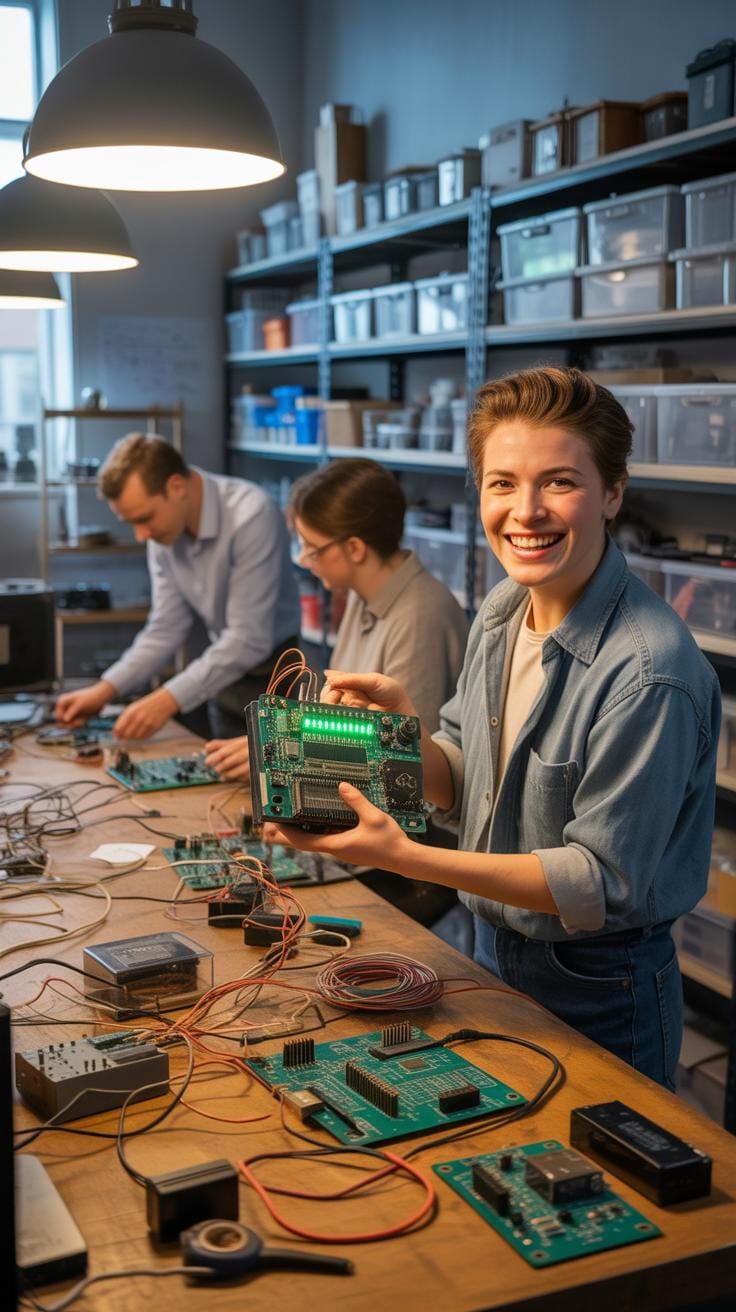
A crystal radio is one of the simplest forms of apocalypse survival electronics you can make at home. This device needs no batteries or power source to work. It picks up radio signals from the air and turns them into sound. People have used crystal radios for over a century to stay informed during emergencies.

Building a crystal radio requires just a few basic materials. You need copper wire, a germanium diode, a tuning capacitor, and a small earphone. Wrap the copper wire around a paper tube to create a coil. Connect the diode across the coil to detect the radio signal. Attach an antenna wire to one end and a ground wire to a metal stake outside. Adjust the capacitor to tune into different radio stations and hear news or weather updates.
Hackable Walkie Talkies
Standard walkie-talkies work well for short distances, but modifying them improves your apocalypse survival electronics setup. Adding a high-gain antenna makes them reach much farther. This lets your group stay in touch across larger areas. You can extend communication range from a few miles to potentially ten miles or more with the right antenna.
To upgrade your walkie-talkies, replace the stock antenna with an aftermarket high-gain model. Purchase antennas designed for CB radios or amateur radio use that fit your walkie-talkie connector. Mount the antenna on a tall point like a roof or pole. Keep walkie-talkies charged with solar panels or hand-crank chargers. Test your modified units in your area to know their actual range before you need them.
Navigation And Timing Without GPS Satellites
Digital Sun Compasses
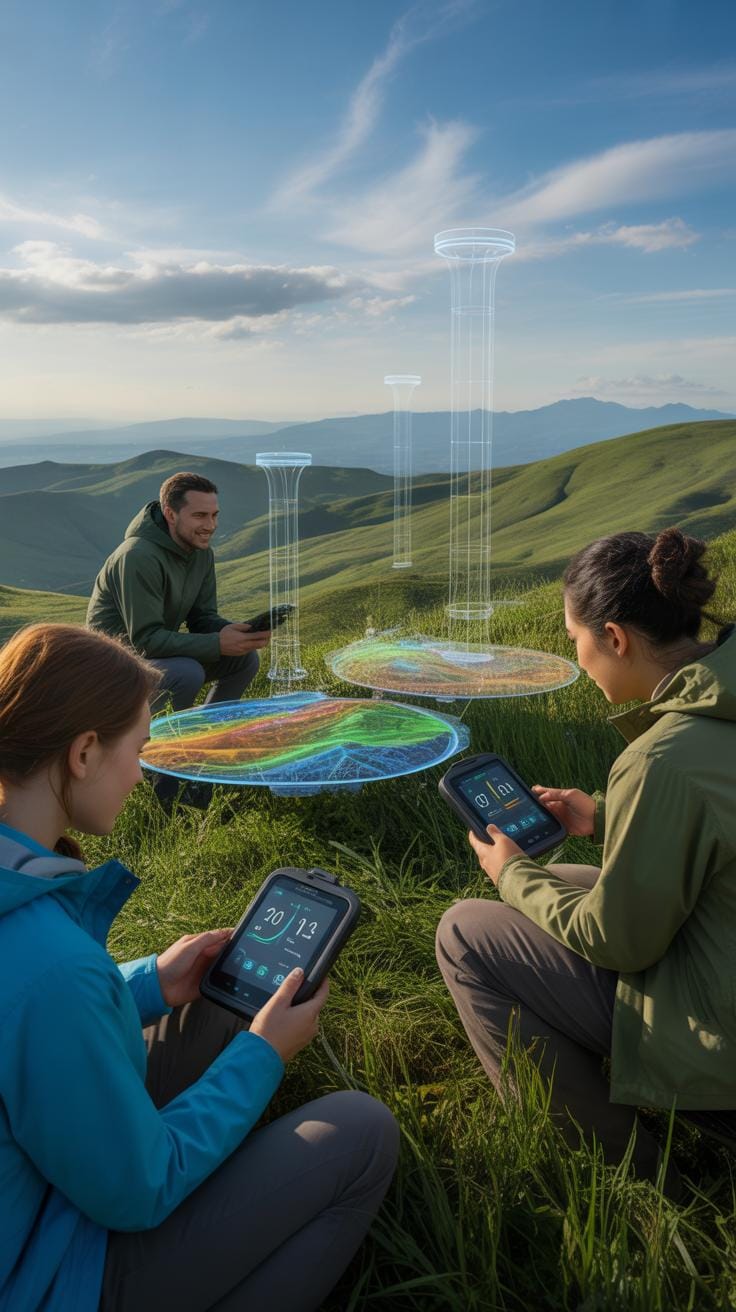
A digital sun compass uses sunlight and sensors to point toward true north. You can build one with an Arduino microcontroller and light-sensitive sensors. This device reads the sun’s position throughout the day. It calculates direction based on the sun’s angle and your location. This apocalypse survival electronics project needs no batteries beyond initial power.
The beauty of a digital sun compass lies in its simplicity. Light sensors detect shadows cast by a stick or rod. The Arduino processes this data and displays your heading. You can construct the frame from wood or plastic. This tool works best on clear days when sunlight is strong and reliable.
Inertial Navigation Systems
Inertial navigation systems track your movement without outside signals. They use accelerometers to measure speed changes and gyroscopes to sense rotation. Together, these sensors create a dead-reckoning device. Dead-reckoning means calculating your position based on where you started. These apocalypse survival electronics can fit inside a small handheld unit.
Building a basic inertial system requires an Arduino and sensor modules. Mount an accelerometer to detect forward, backward, and sideways movement. Add a gyroscope to track turns and direction changes. Start at a known location and let the system record your path. Over time, small errors add up, so periodic position checks help correct the drift.
Essential Environmental Monitoring Gadgets
Geiger Counters And Radiation Detection
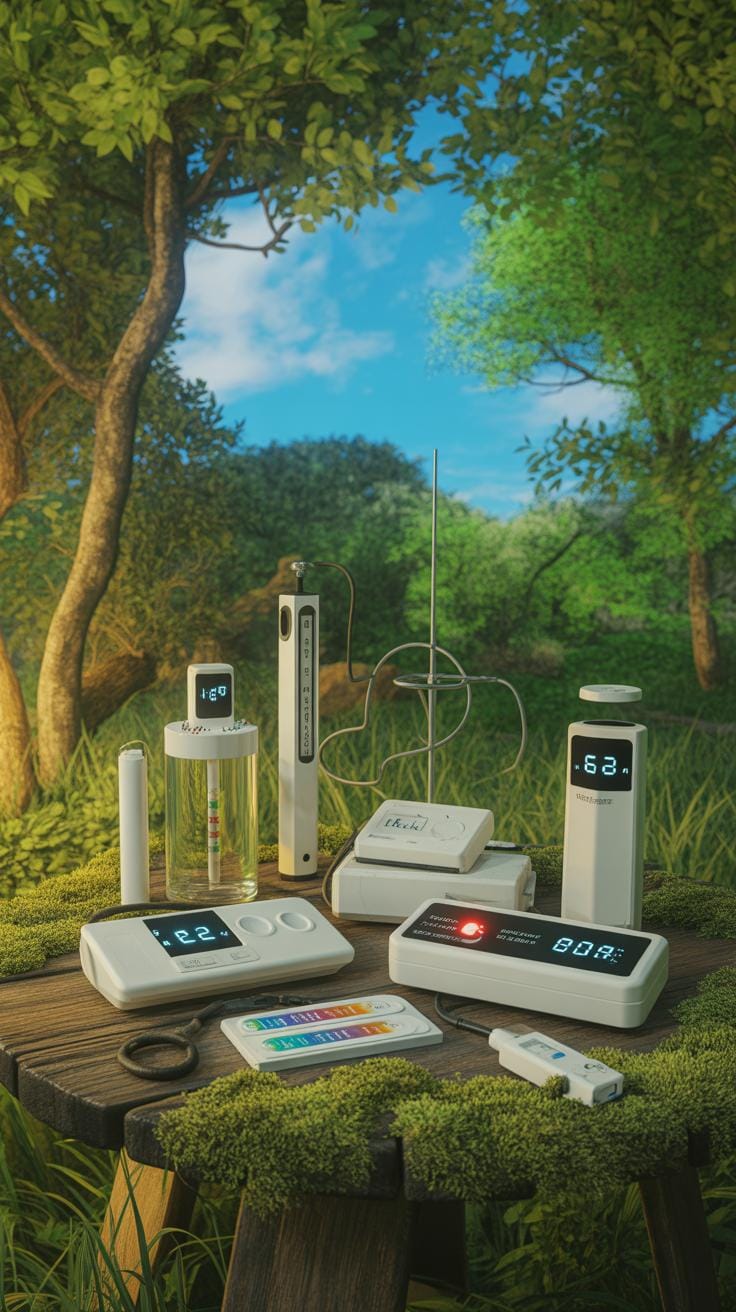
Building a radiation detector puts safety in your hands. A Geiger-Müller tube forms the core of this apocalypse survival electronics project. This tube detects ionizing radiation when it passes through. You connect it to a pulse-counting circuit using basic electronic components. The circuit counts each detection event and displays the radiation level.

The setup requires a high-voltage power supply to energize the Geiger-Müller tube properly. Most designs use between 400 and 600 volts. A simple circuit board amplifies the tube’s signals. LEDs or audio alerts notify you of radiation presence. This device helps you measure dangerous areas and protect your family from invisible threats.
Air Quality And Gas Sensors
MQ-series sensors detect harmful gases in your shelter. These affordable components sense carbon monoxide, methane, and smoke effectively. Connect an MQ-7 sensor to measure carbon monoxide levels with precision. The MQ-2 sensor detects multiple gases including propane and natural gas. These apocalypse survival electronics components work with basic microcontroller boards for real-time monitoring.
Proper placement matters for accurate readings in your space. Mount sensors at different heights to catch rising gases. Use a simple display to show air quality status continuously. Battery power keeps the system running during power outages. Regular calibration ensures your sensors remain accurate when you need them most.
Securing Your Perimeter With Electronic Alarms

Laser Tripwire Systems
Laser tripwire systems represent a practical approach to apocalypse survival electronics for home defense. A simple setup uses a laser pointer, a light sensor, and a buzzer or alarm. When someone crosses the beam, the sensor detects the interruption and triggers your alert. This technology has been used in security applications for decades.

Building a basic laser tripwire requires a laser module, a photoresistor, and a circuit board. Position the laser across a doorway or window. Mount the photoresistor on the opposite side to catch the beam. When the beam breaks, resistance changes and activates your alarm. This creates an invisible barrier that deters intruders effectively.
In the glow of your homemade circuits, rediscover the simple joys of ingenuity that once lit our grandparents’ workshops, turning apocalypse into a canvas for resilient creation.
- Laser Module: Provides the light beam that crosses your perimeter; typically powered by batteries and adjustable for brightness and range.
- Photoresistor: Detects light changes when the beam is interrupted; sends electrical signal to trigger the alarm system when broken.
- Buzzer or Speaker: Creates audible alert when tripwire is triggered; can be paired with flashing lights for visual warning too.
- Circuit Board: Connects components together; manages power distribution and processes signals from the photoresistor to activate alarms.
- Power Source: Batteries or solar panels keep system running; backup power ensures protection even during extended outages.
Position multiple laser systems around entrances and vulnerable areas. Stagger them at different heights to catch intruders at various points. Test your system regularly to ensure the beam stays aligned and the alarm functions properly during critical moments.
Ultrasonic Motion Detectors
Ultrasonic motion detectors work by sending sound waves beyond human hearing range. These waves bounce off moving objects and return to the sensor. When movement happens, the returning waves change frequency slightly. This shift triggers your alarm instantly. Ultrasonic technology is reliable and battery-efficient for apocalypse survival electronics.
Building an ultrasonic detector starts with an ultrasonic transducer module and a simple circuit. The transducer emits sound waves continuously. When something moves nearby, the echo pattern changes. Your circuit detects this change and activates a buzzer or light. Place detectors in hallways, near doors, and at building entrances for maximum protection.
Ultrasonic systems excel at monitoring narrow spaces like hallways or corridors. They work well indoors where sound waves bounce off walls and ceilings. The range typically extends ten to fifteen feet depending on the transducer quality. Adjust sensitivity settings to prevent false alarms from small animals or wind.
Water Purification And Testing Electronics

UV Sterilization Wands
Ultraviolet-C light kills bacteria, viruses, and other harmful microorganisms in water. You can build a UV sterilization wand using a UVC LED bulb, a battery pack, and a clear tube. This apocalypse survival electronics project works by exposing water to UV rays for several seconds. The light damages the DNA of pathogens, making them unable to reproduce or cause illness.
Building your own UV wand saves money compared to buying commercial versions. You need a nine-volt battery, a UVC LED module, a clear plastic tube, and basic wiring supplies. The wand should have a power switch for easy control. This tool works well when chemical treatments like bleach are hard to find or unavailable.
TDS And PH Monitoring
A digital water quality tester measures Total Dissolved Solids and pH levels in your water supply. TDS tells you how many minerals and salts are in the water. pH shows whether water is acidic or basic. These measurements help you know if your filtration system is working properly and if your water is safe to drink.
You can build a basic tester using pre-made sensor modules and a small digital display. These apocalypse survival electronics combine two important tests in one device. Connect a TDS probe and a pH probe to a microcontroller like an Arduino board. The display shows readings instantly, helping you make quick decisions about water safety and treatment needs.
Data Preservation The Survival Digital Library

Offline Wikipedia Servers
A Raspberry Pi is a small computer that costs very little money. You can use it to store Wikipedia offline on your home network. This gives you access to millions of articles without needing internet power. The entire Wikipedia database fits on a single external hard drive. Having this knowledge available means you can look up medical information, engineering guides, and survival techniques whenever you need them.
Setting up an offline Wikipedia server takes basic computer skills. Download the Wikipedia archive files onto your storage drive. Install special software on your Raspberry Pi to serve these files to your devices. The system runs on very little electricity. Your apocalypse survival electronics will include this reliable knowledge hub that works without internet connections or power-hungry servers.
Ruggedizing Storage Drives
Protecting your data means preparing your hard drives for harsh conditions. Water damage destroys storage devices quickly. Shock from drops or vibrations can cause internal components to fail. You need practical methods to shield your external drives from these dangers. Waterproofing and shockproofing techniques make your stored maps and manuals survive almost anything. Your apocalypse survival electronics depend on keeping this information safe and accessible.
Start by placing your hard drive inside a waterproof case or sealed container. Use rubber padding or foam around the drive to absorb shock from impacts. Silica gel packets inside the case prevent moisture buildup over time. Store the sealed container in a cool, dry location away from direct sunlight. Test your setup by keeping it in different environments for weeks before relying on it completely.
Maintenance And Repairing Found Electronics
Soldering With Alternative Heat Sources
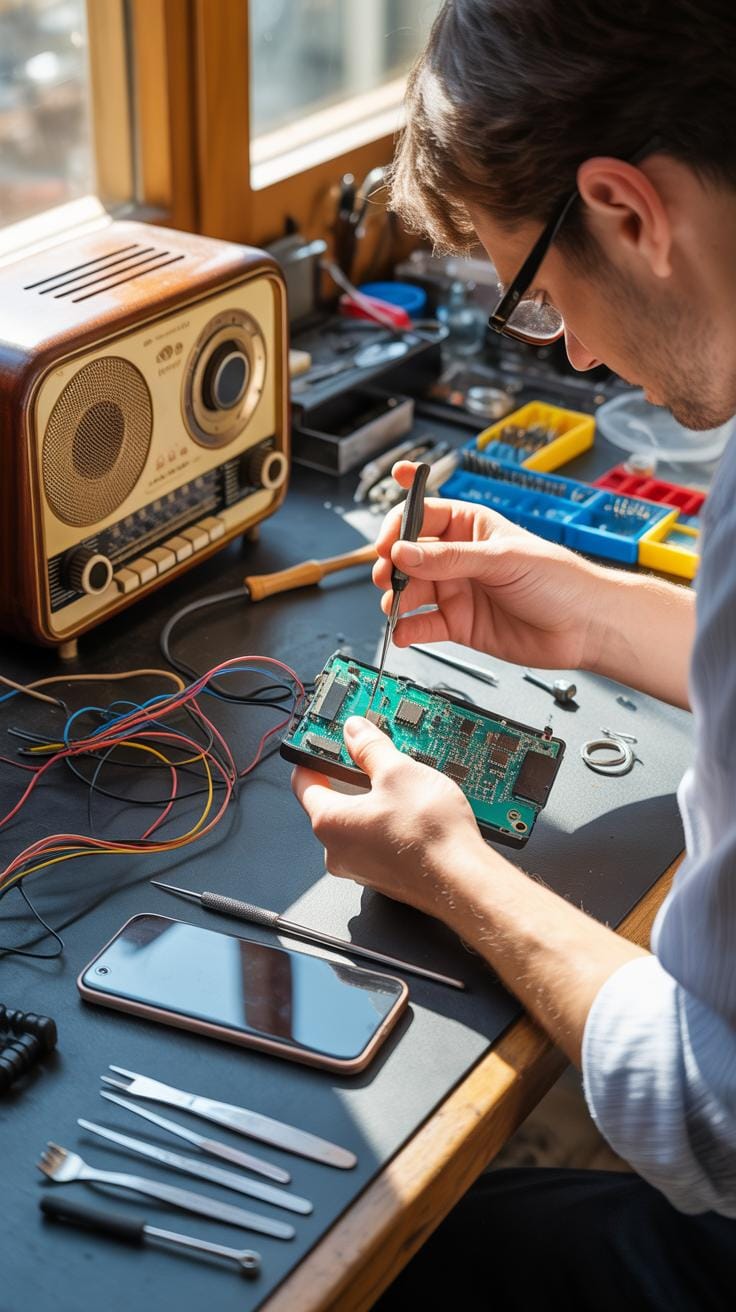
When the power grid fails, traditional soldering irons become useless. You can heat copper bits directly in a fire or flame until they glow red. This old method works for joining wires and components. It requires steady hands and patience. Many apocalypse survival electronics depend on solid connections to function properly.
- Fire heated copper bits: Hold copper pieces in flames until hot enough to melt solder on circuit connections and component leads.
- 12V battery powered irons: Use car batteries or solar charged power banks to run portable soldering irons for circuit repairs.
- Alcohol burners: Create controlled heat sources using rubbing alcohol in tin cans to warm soldering tools safely.
- Wind protection: Shield your soldering area from breezes that cool hot copper bits too quickly during repairs.
- Solder salvage: Reclaim old solder from junk electronics to use again when making repairs to your gear.

Practice your technique before disaster strikes. Start with simple repairs on old radios or flashlights. Good soldering skills mean the difference between working apocalypse survival electronics and useless broken devices. Keep your hands steady and work in well lit areas.
Cannibalizing Components
Old appliances contain valuable parts for survival electronics. Microwave ovens have capacitors and transformers. Computer equipment holds resistors, diodes, and circuit boards. Televisions contain useful transformers and many small components. Before throwing anything away, consider what it can give.
Learn to identify parts by their appearance and markings. Capacitors look like cylinders or discs. Resistors are small tubes with colored bands. Transistors have three legs or pins. Keep organized containers for sorted components. This organized approach helps you find exactly what you need for apocalypse survival electronics repairs.
Frequently Asked Questions

What are the best apocalypse survival electronics for beginners to build at home?
Start with simple projects like hand-crank flashlights, solar chargers, and basic water purification devices. These apocalypse survival electronics require minimal technical skills and common household materials. Focus on generators that store energy without batteries, and consider learning basic circuit assembly before advancing to complex systems.
How do I build a DIY solar power system for emergency survival?
Begin by sourcing solar panels, a charge controller, and deep-cycle batteries. Connect panels in series or parallel depending on your voltage needs. Your apocalypse survival electronics setup should include an inverter to convert DC to AC power. Start small with a 100-200 watt system, then expand as you gain confidence and understand your power requirements.
Can I create effective apocalypse survival electronics on a tight budget?
Absolutely! Repurpose old electronics like laptops and phone chargers for parts. Search for refurbished solar panels and salvaged batteries from recycling centers. DIY alternatives often cost 60-70% less than commercial options while delivering comparable results. Community workshops frequently offer free tools and expertise to help you build affordably.