
Introduction
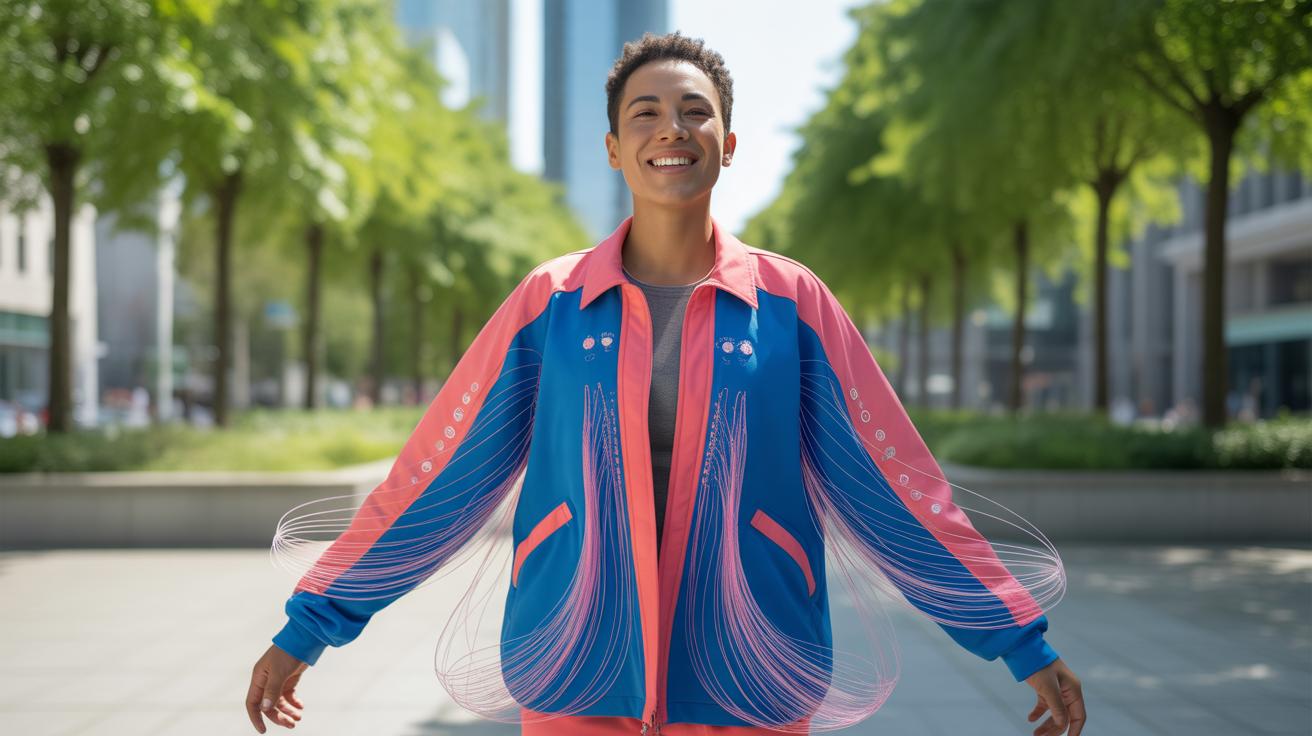
Wearable technology is growing fast and smart textiles play a big part in this change. Smart textiles blend fabrics with tiny electronic parts so clothing can do more than just cover you. They can sense your body, light up, or connect to other devices.
In this article, you will learn what smart textiles are and why they matter to wearable technology trends. We will also look at examples of smart wearable items and what you could expect in the future from this wearable tech.
What Smart Textiles Are
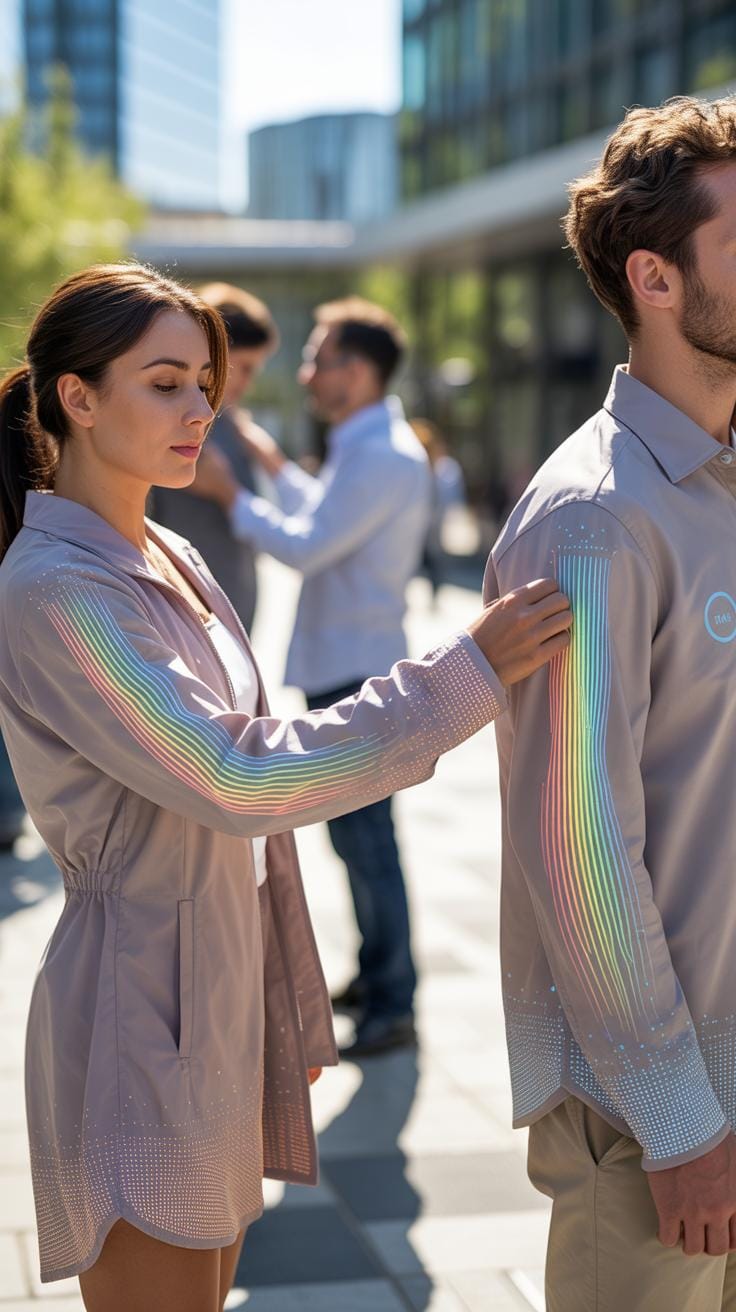
Smart textiles, or electronic textiles, are fabrics that do more than just cover or protect your body. They blend traditional cloth with tiny electronic components—like sensors, lights, or conductive fibers—right into the material itself. Imagine wearing a shirt that senses your heart rate or pants that light up as you jog at night. That’s smart textiles in action.
Unlike normal fabrics, these textiles respond to their environment or interact with you directly. They might track movement, change color, or even warm up when it’s cold. The key difference is that electronics become part of the fabric’s structure, not just added on later. This makes smart textiles more flexible and comfortable than, say, strapping a gadget onto your wrist.
While you might have seen wearable gadgets like fitness bands before, smart textiles take it a step further by making the clothing itself a form of technology. Still, they keep a foot in the traditional textile world—feeling soft, breathable, and wearable—while quietly doing much more.
Types Of Smart Textiles
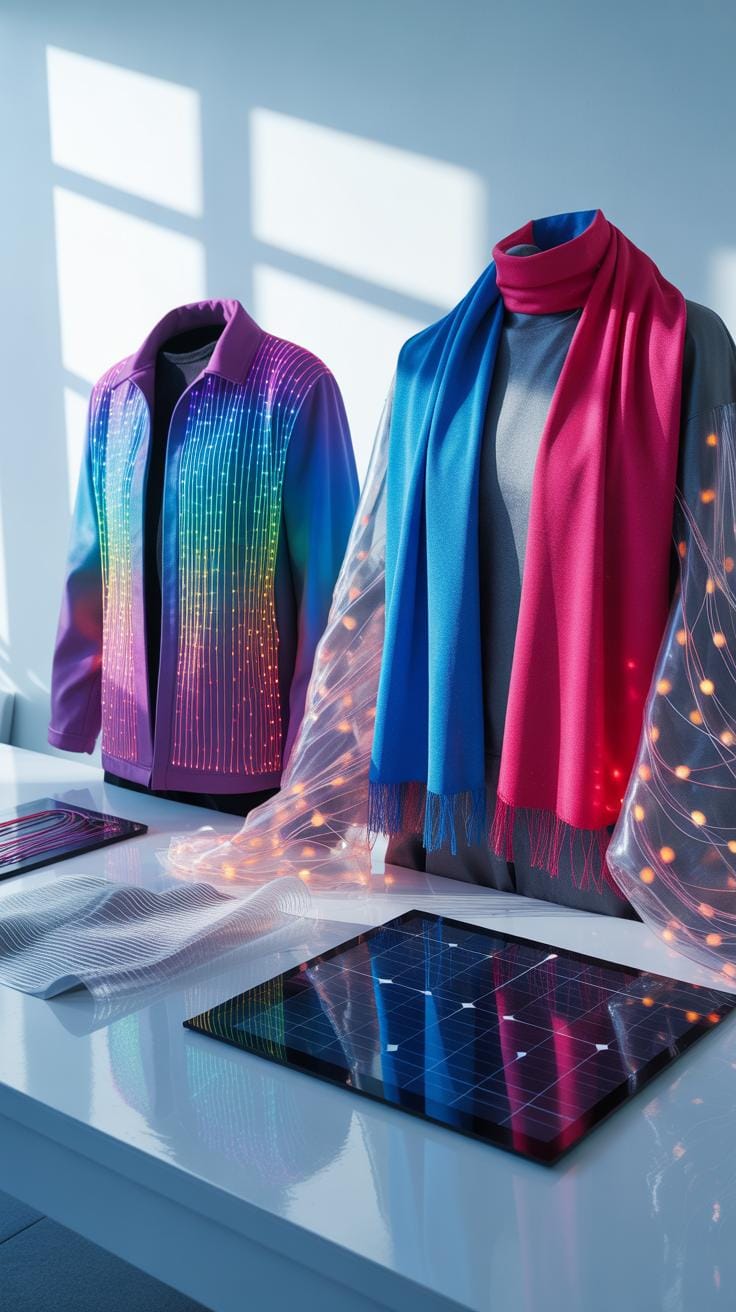
Smart textiles have grown through several stages, and it’s easier to understand them by splitting them into three types:
- Attachable Sensors: These are sensors or devices you clip or attach onto regular clothes. Think of a patch that tracks body temperature or wristbands with heart monitors. They’re not part of the fabric but interact closely with it.
- Embedded Sensors: Here, sensors get woven or sewn inside the fabric. For example, shirts embedded with moisture sensors that can tell when you’re sweating excessively or leggings with pressure sensors to analyze your walking pattern.
- Textile as Sensors: In this case, the textile itself works as a sensor. Fibers are engineered to react to stimuli like heat, pressure, or light, allowing the fabric to sense and respond without any separate device. Imagine gloves that can detect touch or jackets that adjust insulation based on temperature.
Each type offers different levels of interaction and complexity, with textile-as-sensors representing the most integrated and, perhaps, the most challenging to produce.
History Of Smart Textiles

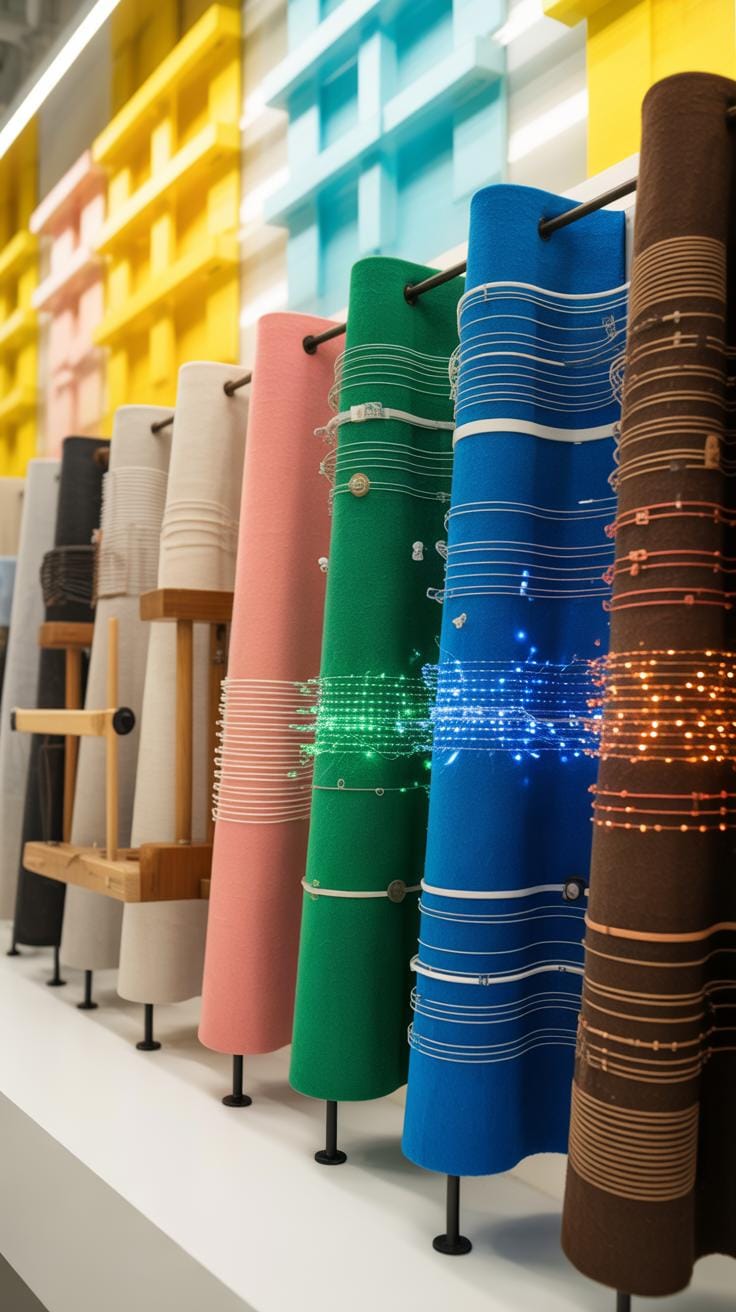
The idea of combining textiles and technology isn’t new. Even centuries ago, people wove metal threads into clothing for decoration or to provide some kind of protection. Medieval armor sometimes used chainmail with woven fabrics, blending textile with metal for function beyond fashion.
Fast forward a bit, and the 20th century brought experimental clothes with tiny lights or radio transmitters. These early steps were clunky and rare but laid groundwork for what came later.
More recently, the rise of medical wearables and sports apparel pushed smart textiles into daily use. Think of clothes that monitor your health continually or garments that adjust to keep you comfortable during exercise. It’s almost as if the clothes themselves began paying attention to your body.
This history shows a gradual path from simple decorations or protective weaves to truly interactive, responsive textiles—an evolution that still feels like it’s unfolding right now. One wonders what the next century will bring for wearable fabrics.
Why Smart Textiles Matter In Wearables


Smart textiles change the way we think about wearable technology. Instead of bulky gadgets strapped onto your wrist or clipped awkwardly on clothes, electronics become part of the fabric itself. This shift brings unique benefits that traditional wearables can’t easily match.
For one, smart textiles make wearables easier to use. When sensors and circuits are woven into the fabric, the technology stays put during movement without causing discomfort. You don’t have to fuss with placing a device just right—they’re already there, working quietly. This also opens doors to new functions that feel more natural or even invisible, like temperature regulation or muscle activity monitoring within everyday garments.
Think about how this impacts your daily life. Would you be more willing to wear a shirt that tracks your heart rate if it felt just like a regular shirt? Probably yes. Comfort and practicality often decide if people actually use wearable tech, and smart textiles address both.
Health And Fitness Benefits
Smart textiles often capture health and fitness data in ways that classic wearables struggle with. For instance, fabrics embedded with conductive fibers can track heart rate, respiration, or muscle strain continuously and more comfortably. No need to wear a tight chest strap or fuss with tricky sensors.
This comfort isn’t just about ease; it improves accuracy too. When a sensor sticks closer to the skin and moves naturally with the body, data can be cleaner and more reliable. You get a better picture of your health and activity without feeling monitored or restricted.
One curious thing, though—some users report forgetting they even have sensors on them. That’s a double-edged sword: great for comfort, but it also means you might not remember to take care of the garment or notice when it malfunctions. Still, many find the balance worth it, especially for ongoing fitness tracking or subtle health monitoring.
Improving User Comfort
The difference between traditional wearables and smart textiles often comes down to how they feel. Embedding electronics into fabric results in lighter and more flexible devices. Instead of hard plastic cases or dangling wires, you get a soft, breathable surface.
This approach reduces irritation and makes the technology less intrusive. For those who have tried fitness trackers or pulse monitors that dig into the skin or shift during exercise, this is a big step forward. Smart textiles tend to stay comfortable even during long wear or intense movement.
Still, incorporating electronics into fabric has its challenges. The textiles must withstand washing and everyday wear without breaking down. You might wonder how lasting these garments really are or if the tech will degrade faster than the fabric. It’s a tricky balance—and one the industry is still working to perfect.
Yet, the core idea is clear: wearables that feel like clothing, rather than additional gear, could change how willingly people adopt health and fitness monitoring tools.
How To Choose Smart Wearable Products

When selecting wearable technology made with smart textiles, it’s helpful to start with a checklist that reflects your daily habits and needs. Ask yourself: What functions do I actually want? Do I need monitoring features for health, fitness tracking, or perhaps connectivity for notifications? If you’re active, maybe durability and sweat resistance matter more than style. If you’re at a desk most of the day, discreet design could be a priority.
Think also about how long you’ll be wearing the device each day. Battery life should match your routine. Some smart textiles charge quickly but drain fast, others work a full day or two but might be bulkier. Price plays in too—sometimes you’ll want the latest tech even if it costs more, other times basic functions suffice.
Check Features That Match Your Needs
Here are some points to weigh before deciding:
- Which functions align with your lifestyle—heart rate, temperature sensing, motion tracking?
- Is the device waterproof or washable, fitting for your environment?
- How easily does the wearable connect with your smartphone or other devices?
- Will it require frequent charging, or offer long-lasting use?
- Does the product integrate with apps you already use or prefer?
- Is there reliable customer support or software updates available?
These questions might seem obvious, but skipping them can lead to unnecessary frustration later.
Test Comfort And Fit
Trying on the wearable is critical. Smart textiles often involve sensors woven into fabric, which can feel different from normal clothing. It’s not just about size; the way the fabric moves on your body matters too. A tight fit may improve sensor accuracy but feel restrictive. Looser wear might be comfortable but less effective.
Spend some time wearing it during activities similar to how you’ll use it. Notice if seams irritate your skin or if the material traps heat. Remember, comfort isn’t only about the first impression but how it feels after hours of wear. Even if a product looks great, an uncomfortable fit can make you abandon it.
Wearables Versus Traditional Devices
Differences In Functionality
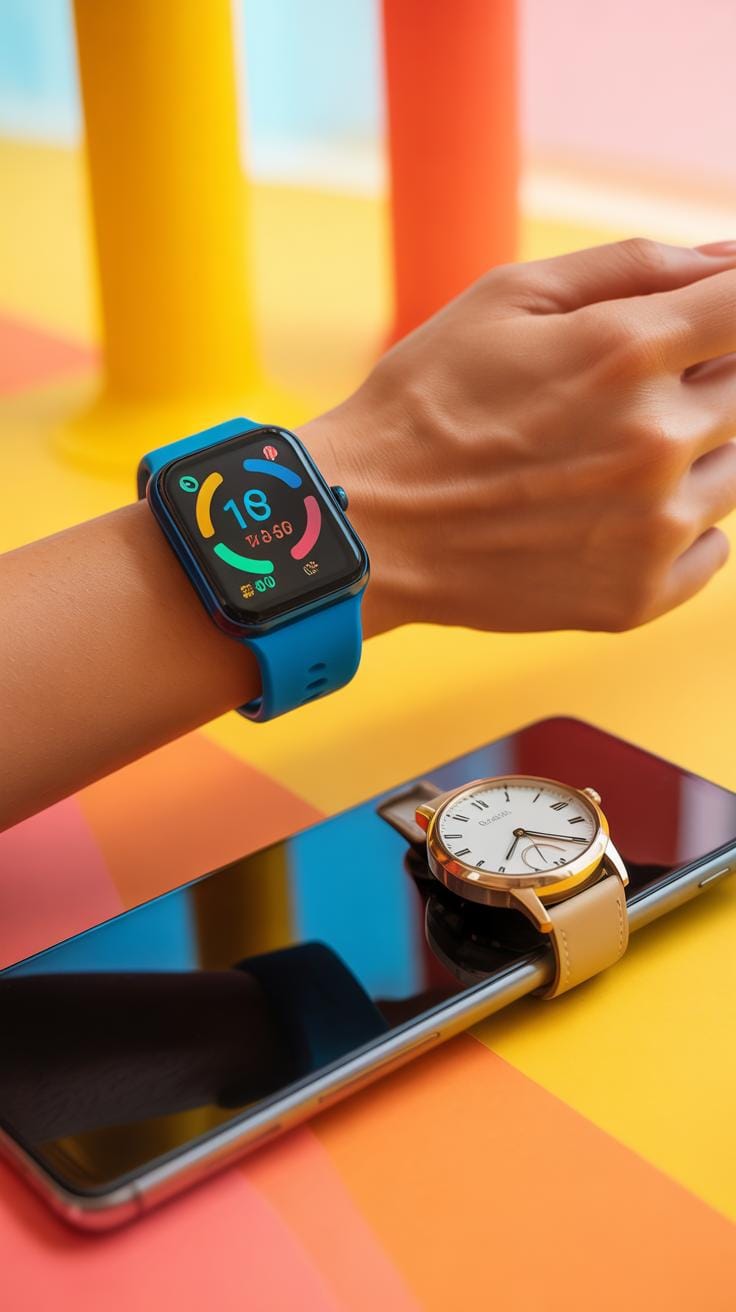
Traditional wearable devices like watches and fitness bands mainly rely on rigid sensors placed under the skin or on the surface. They monitor heart rate, steps, sometimes sleep, but their capabilities feel limited to discrete spots on the body. Smart textiles, though, integrate sensors directly into the fabric, which opens doors to sensing over larger areas. For example, fabrics can track muscle activity, breathing patterns, or even subtle changes in posture continuously—something traditional bands rarely do. You could almost say smart textiles transform the body into one big sensor array, rather than confining data collection to your wrist or chest.
Also, textile-based wearables can capture data during movements that traditional wearables might fail to measure accurately because of position or fit. Imagine assessing muscle fatigue in an entire garment versus a watch that only senses heart rate. This kind of function might be invaluable for athletes or rehabilitation, where detail matters. Yet, it leaves me wondering if sometimes the complexity might be overkill for everyday users who only want a step count.
Differences In User Experience
The feel of textile wearables stands out immediately. Instead of a chunk of plastic or metal strapped to your wrist, you’re wearing something that moves and breathes with your body. This alters how you engage with the device—you’re less aware of the tech itself. It might be easier to forget you’re even wearing it, which sounds good, but that subtlety also means fewer reminders to check your stats.
On the other hand, traditional devices offer tactile feedback and clear displays. You glance down and get immediate info. Smart textiles rarely provide that direct interaction; their strength lies in background sensing. Sometimes, that feels like trading off control for comfort.
Finally, weight plays a role. Heavy watches or clunky bands can be annoying over time, especially during long wear. Fabric sensors feel lighter and tend not to restrict motion. Still, that softness sometimes translates to fragility or a need for special care. It’s a balance—comfort and unobtrusiveness versus durability and ease of use. What’s more valuable might depend on your priorities. Maybe smart textiles will find ways to bridge that gap better soon enough.
Examples Of Smart Textile Wearables

Sports And Wellness Applications
Smart textiles have found practical use in sportswear that goes beyond just looking good or fitting snugly. For instance, smart sports shirts embedded with sensors can track heart rate in real-time, offering immediate feedback to athletes. Some of these shirts even measure sweat levels and analyze the salt concentration, which can hint at hydration status—something many overlook until it’s too late. You might have heard of brands like Hexoskin, which offer biometric shirts linked to mobile apps, providing insights during workouts.
There’s a subtle shift happening here. Sports clothing doesn’t just support movement anymore; it’s beginning to actively inform users about their bodies. These wearables prompt questions: can your shirt really replace a fitness tracker on your wrist, or is it too soon to rely on textiles alone? Personally, I find it fascinating that the fabric itself can monitor breathing patterns and stress levels, yet sometimes it feels like the technology hasn’t fully reached the everyday user’s wardrobe just yet.
Fashion And Entertainment Uses
Smart textiles in fashion push boundaries in different ways, especially with clothes that respond visually to the environment or mood. Imagine a jacket that changes color or glows softly, reacting to music or lighting in a performance. For example, designer Anouk Wipprecht created a dress embedded with LEDs that flicker and pulse, interacting with the wearer’s heart rate and movement during fashion shows. It’s a compelling crossover between technology and art, though it does raise the question—are these pieces wearable art or just tech toys for events?
Some brands experiment with fibers that shift colors based on temperature or light exposure, making garments that adapt subtly throughout the day. It’s an intriguing concept, but not all change is practical. Would you wear a dress that alters its appearance unpredictably? For some, that’s precisely the appeal. Others might find it distracting or unreliable. Still, the potential in entertainment settings—concerts, theater, or nightlife—seems clearer, offering a new layer of visual storytelling through clothing alone.
Costs And Challenges To Expect

Price Range For Smart Wearables
When you look at smart textile wearables, prices can be all over the place. Basic products like fitness shirts with embedded sensors might start around $50 to $100. But once you move towards more specialized gear—think smart jackets with heating elements or biometric monitoring fabrics—the cost can jump to several hundred dollars, sometimes even close to a thousand.
Prices often depend on the complexity of the technology involved, the brand, and the materials’ quality. For instance, a smart glove that tracks hand movements for medical rehab could be pricier than a simple activity-tracking T-shirt. It makes sense, but it also means you should really consider what you actually need before splurging.
Sometimes, the cost isn’t just the initial price tag. Replacement parts, software updates, or repair services might add up later. So, while something looks affordable upfront, it may not be the best long-term purchase for everyone. Have you thought about how often you’d realistically wear or use these items?
Durability And Maintenance Issues
Smart textiles don’t quite behave like your regular clothes. They often need special care, and that can be tricky. Washing smart garments requires gentle cycles or even hand washing to avoid damaging sensors or conductive threads.
Durability is a headache for manufacturers—and users alike. Sensors can wear out or stop working after repeated use and laundering. Stitching conductive yarns into fabrics can weaken over time, especially if you’re not careful with drying or storage. I’ve read reviews where users were frustrated that their smart shirt stopped responding after just a few washes.
Plus, there’s the balance between comfort and protection. Overly protective coatings might keep electronics safe but make fabrics stiff or prone to cracking. If the gear feels awkward or delicate, some people might simply stop using it.
That raises questions: How do you care for your smart clothes? And at what point does maintenance start feeling like too much work? It’s a fine line, and one that’s still being figured out as the technology improves.
Steps To Care For Smart Textiles

Caring for smart textiles isn’t quite the same as handling regular clothes. These wearables blend fabric with delicate electronics, so occasional caution is necessary. You might think tossing them in the washing machine is fine, but that could easily cause trouble. It’s better to follow a specific routine that balances cleanliness with preservation.
Start by inspecting your smart textile for detachable electronic components. If possible, remove any batteries or control units before cleaning. When washing, hand wash tends to be safer than machine cycles. Use mild detergent and cold water to avoid damaging conductive fibers or sensors embedded in the fabric.
Air drying is your best friend here. Avoid tumble dryers or direct heat sources, which can warp circuitry or degrade fabrics. Also, resist wringing the textile; gentle squeezing is enough to remove excess water without stressing the electronics.
Washing And Cleaning Instructions
Washing your smart textile wearable calls for care and patience. Machines may feel convenient, but the spinning and heat can bend or break embedded wires. Whenever you can, hand wash your product gently in cool water. Think of it as giving your wearable a light bath rather than a wash.
Keep the detergent simple—no bleach or fabric softeners—you don’t want any chemicals eating into the fabric or interfering with sensors. Spot cleaning can help when only certain areas are dirty. And if you notice any part isn’t washable, better avoid water there at all costs.
Storing And Handling Tips
After cleaning, where you put your smart textile matters. Folding it quickly and tossing it into a drawer might work for ordinary clothes, but here, you might risk bends or cracks in circuitry. Try laying it flat in a cool, dry space, away from sunlight and humidity, which can degrade electronic parts over time.
You could also hang the item on a padded hanger, but be mindful of stress points where weight might pull on wiring. When handling, avoid sharp bends or stretching too much; these textiles need gentle treatment. Honestly, you might need to form a new mindset about treating clothes more like delicate devices than everyday fabric.
Future Trends In Smart Textile Wearables
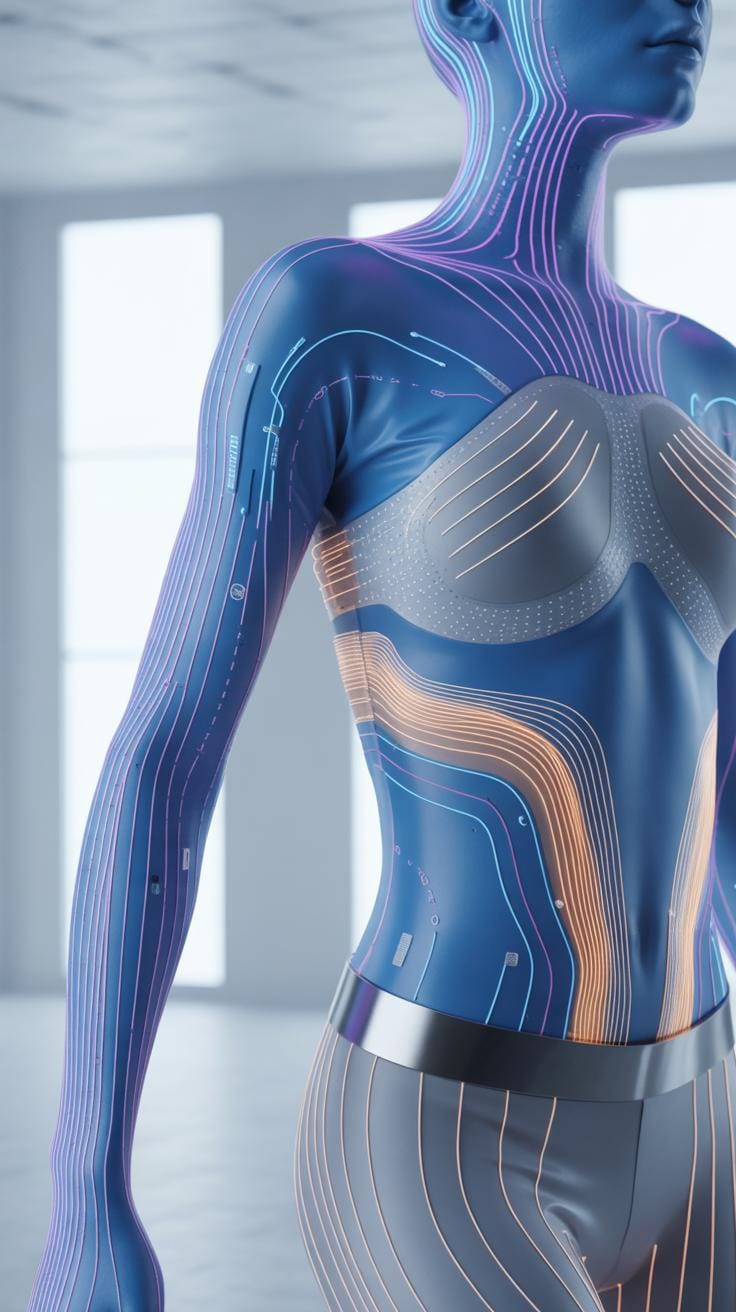
Wearable technology is on the cusp of some notable shifts, especially with smart textiles playing a bigger role. We can expect fabrics that don’t just react passively but sense and respond in real time to your body and surroundings. Imagine clothes that adjust their temperature or monitor more subtle health signals, ones we barely track today.
There’s talk about sensors that could track hydration levels, blood sugar fluctuations, or even detect early signs of illness. It’s a step beyond what fitness bands do, moving into continuous, embedded monitoring without needing extra devices. But it’s still a question how much data people actually want feeding back constantly—it might get overwhelming.
New materials also matter a lot. Think lightweight, washable electronics or self-healing fibers that fix minor tears on their own. These could make wearables more comfortable and durable, so you don’t hesitate putting them through everyday use. It’s almost like the tech will blend so naturally with what you wear, you might forget it’s even there.
Industries beyond sports and healthcare seem to be eyeing smart textiles, too. Medical monitoring in hospitals could benefit, yes, but entertainment or workwear might surprise you. What about stage costumes that change colors or respond to sound, or office clothing that helps reduce stress by sensing your muscle tension? The possibilities feel broad, if a bit uncertain—who knows which uses will really take off first.
What do you think? Would a shirt that tracks your mood or stress levels help you through your day? Or might it just add another layer of distraction? I find myself torn, honestly—excited for the tech but wary of too much data invasion.
Conclusions
Smart textiles are changing wearable technology by making clothes smarter and more useful. They are used in sports, health, and even entertainment. Knowing about smart textiles helps you understand how clothes might change soon.
As technology grows, smart textiles will help create wearables that do more to help you stay healthy and connected. Keep an eye on these trends to see how wearables could fit into your life and work.