
Introduction
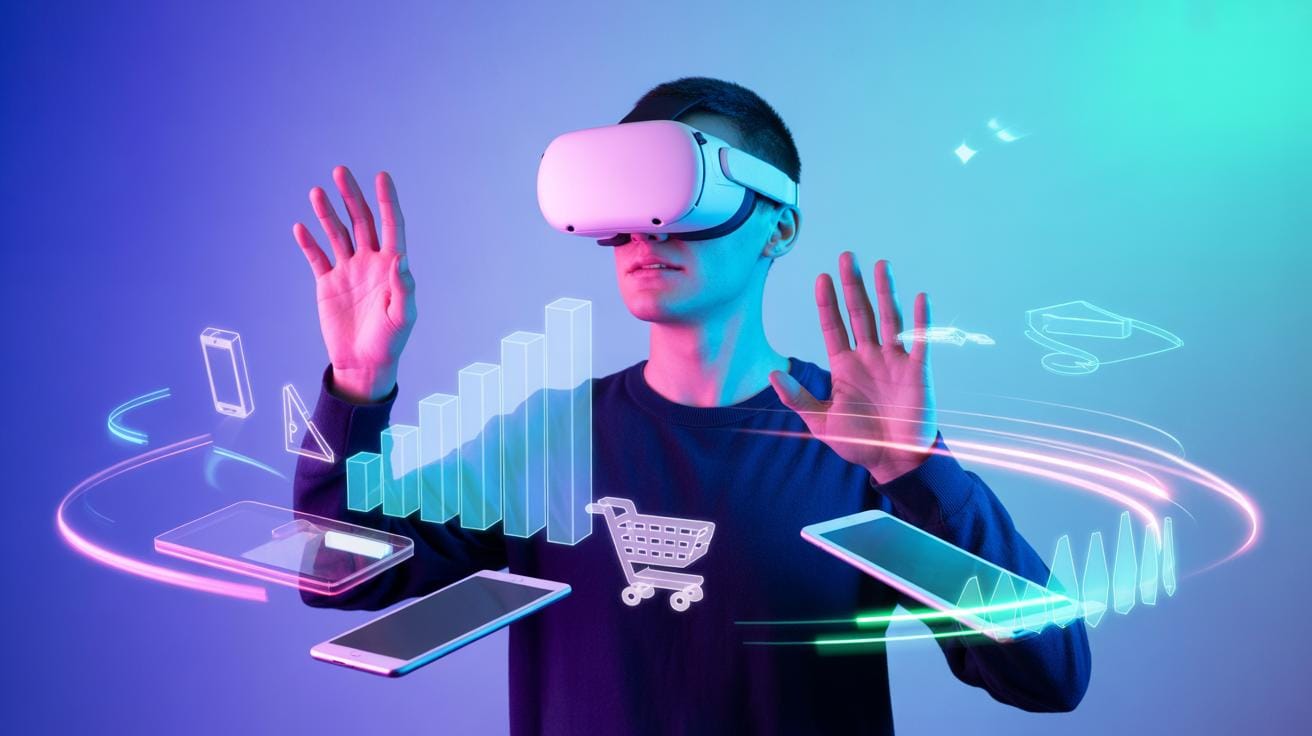
Virtual reality is a technology that creates a simulated environment for users to interact with, using devices like VR headsets. It allows users to feel present in a digital world through sights, sounds, and sometimes touch sensations. This technology is not just for gaming; it affects many sectors including electronics and digital marketing.
This article will show you how virtual reality is changing electronics by improving product design and customer experience. It will also explain how digital marketing uses virtual reality to create more engaging advertisements and connect better with customers. You’ll get clear ideas on how VR impacts these fields.
What Virtual Reality Means
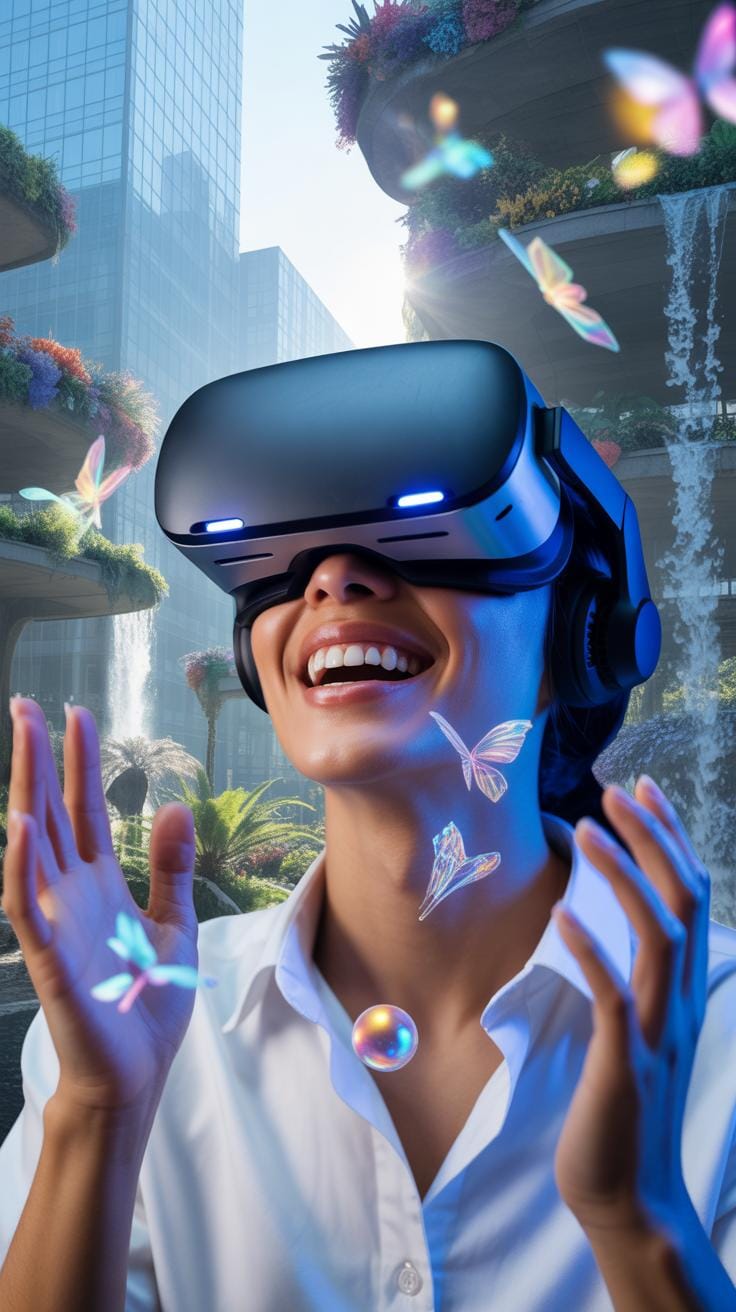
Virtual reality is a simulated experience that aims to make you feel like you are somewhere else entirely. Usually, it involves a headset with small screens placed right in front of your eyes. These screens show images from slightly different angles to each eye, creating a 3D effect. Combined with software tracking your head movements, the images shift in real time as you look around, so your perspective changes naturally.
Sound plays a big role as well. headphones or built-in speakers create spatial audio, meaning sounds seem to come from specific directions around you. This adds to the immersion, making it not just about what you see but also what you hear. Sometimes, other senses like touch are simulated, but visuals and sound form the core of the VR effect.
VR Hardware Components
There are several key parts that come together to make VR work. First, the headset itself is like a window to the virtual world. Inside it are screens and lenses that render the visuals. Sensors track your head and body movements to update the view accordingly. You’ll often find external sensors or cameras around the room to improve this tracking accuracy.

Controllers in your hands let you interact with the virtual surroundings. They can sense your hand motions, button presses, or gestures. These controls are crucial because they turn VR from just watching into an interactive experience where you can grab, point, or manipulate objects.
Types Of Virtual Reality Systems
Not all VR is created equal. There’s fully immersive VR, which uses headsets and motion tracking to plunge you right inside a virtual environment. These systems let you turn your head and walk around within a limited space, feeling like you’re actually there.
Desktop VR is more common. It uses just a standard computer screen to display a 3D world, often navigated with a mouse or keyboard. It doesn’t trick your senses as deeply but still lets you explore virtual spaces.
Then, there’s projector-based VR, which turns a room’s walls into screens showing the virtual world. These setups might be used in specialized fields like airplane simulations or construction modeling, where you need to see a scene around you, not just through goggles.
Each system has its strengths and suits different needs. Maybe you’re mainly wondering about games, or perhaps you’re curious about training tools. Either way, the type of VR you encounter will feel different depending on the hardware and setup involved.
How VR Helps Electronics Design
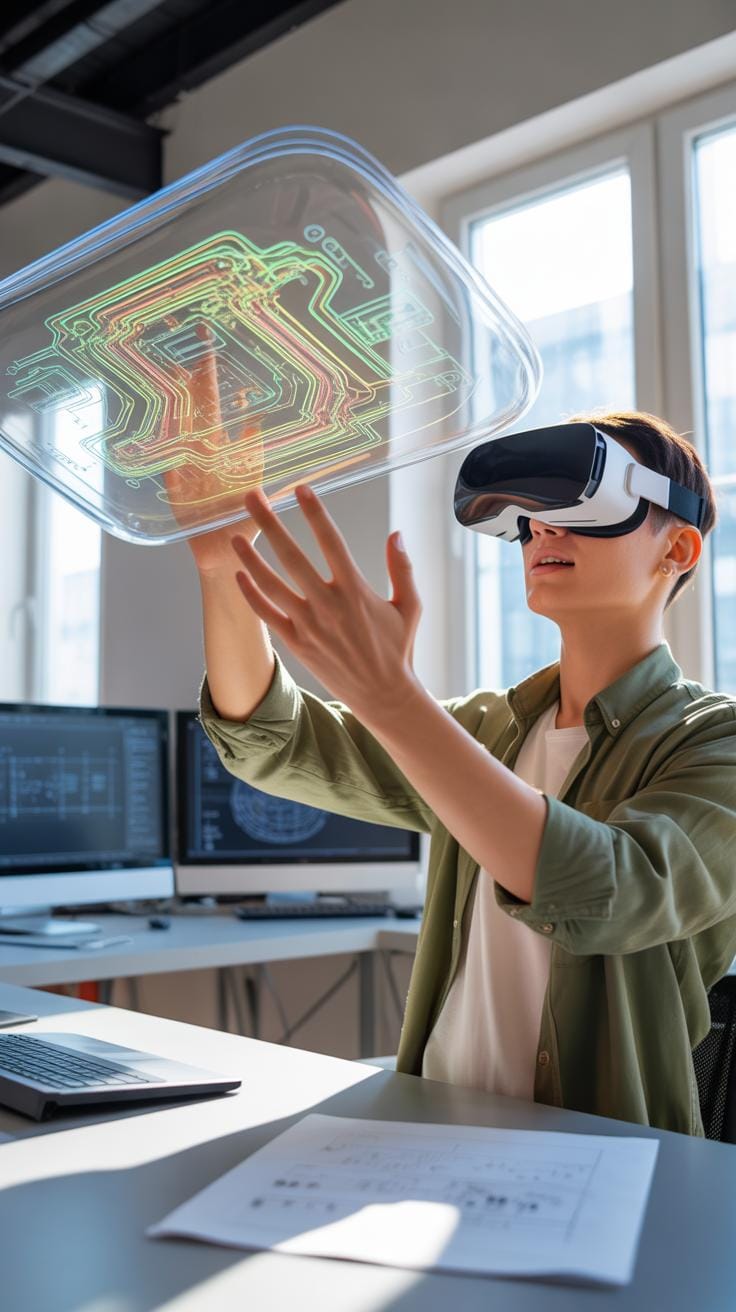
Virtual reality offers engineers a unique way to visualize and manipulate electronic designs without physical constraints. Instead of immediately building costly prototypes, designers can work within a virtual environment, shaping circuits and device layouts as if they were holding them in their hands. This hands-on virtual experience helps catch design flaws early. You might think that something small like the placement of a microchip wouldn’t matter much until you see it in 3D space, and suddenly it becomes clear.
Sometimes, engineers find themselves wondering if the virtual model truly reflects real-world behavior. Yet, the chance to iterate repeatedly without material waste is hard to pass up. Creating and testing products in VR allows for quick adaptations—changing component layouts or trying alternative configurations in minutes rather than days. Although VR can’t replace every physical test, it certainly cuts down the trial-and-error phase significantly.
VR Simulations For Product Testing
Testing electronic devices within VR is becoming a game changer. Instead of assembling numerous physical versions, designers now run simulations that mimic real-world conditions. For example, you can simulate how a device performs under different temperatures or how its buttons respond to user input. These tests give early insights into potential issues, saving both time and resources.
It’s tempting to rely on VR testing exclusively, but it’s worth remembering virtual environments have limits. They may not capture every mechanical nuance or subtle material defect. Still, the reduction in physical prototype needs speeds up development cycles and lowers costs. You get faster feedback loops, letting you refine designs before committing to manufacturing.
Improving User Experience With VR

Virtual reality lets designers walk in a user’s shoes before the product even exists. You can simulate how someone interacts with a new device—gripping a phone, pressing buttons, or navigating menus. This offers a clearer picture of user comfort and accessibility than sketches or static models.
Sometimes it surprises me how intuitive or awkward interactions feel in VR compared to expectations. This feedback shapes design choices, like button placement or screen size, to better fit real user behavior. Still, translating virtual experiences to actual user satisfaction isn’t always straightforward. But having this immersive preview means adjustments happen early, improving products before launch.
Virtual Reality In Digital Marketing
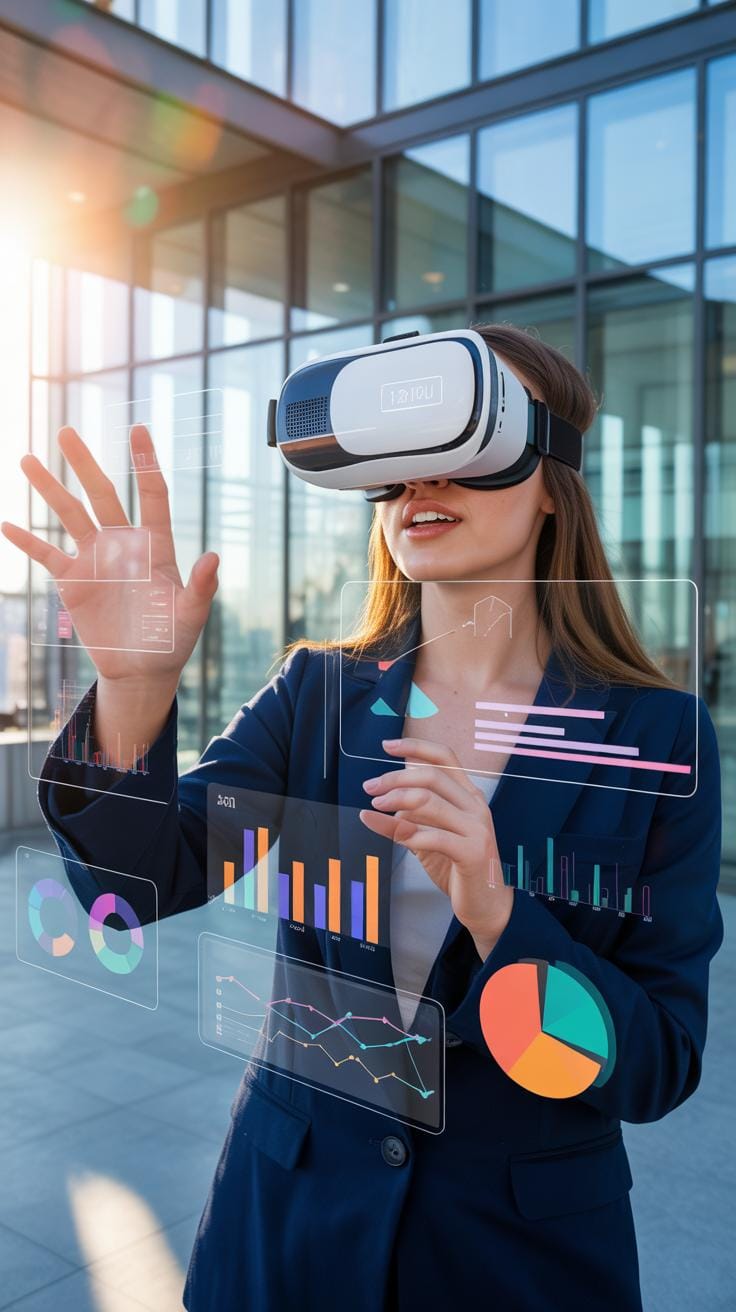
Digital marketing leverages virtual reality to craft experiences that aren’t just seen but felt. Imagine stepping inside an ad rather than watching it unfold. Virtual reality does this by surrounding you with a brand’s world, letting you engage with products or services firsthand. It’s not about passive viewing anymore—VR pulls you in, makes you a participant, which tends to stick in your mind longer than any simple banner or video might.
Marketers build immersive campaigns by creating environments that feel real enough to explore. You might find yourself walking through a new car’s interior or decorating your room with furniture that’s not actually there. These campaigns are designed to engage multiple senses and create emotional connections. That’s powerful, right? You don’t just see the product; you experience it.

Some brands have already had success with this. Take IKEA’s VR app, which lets you place their furniture in a virtual version of your space—helps you decide before buying. Or Lowe’s, which offers home improvement tutorials in VR, making the learning process interactive and hands-on. Even car manufacturers like Audi use VR for virtual test drives, removing barriers for potential buyers.
Are you curious about trying one of these VR experiences? They might change how you think about shopping and advertising altogether. What if these immersive ads become your norm?
VR Versus Traditional Marketing Methods
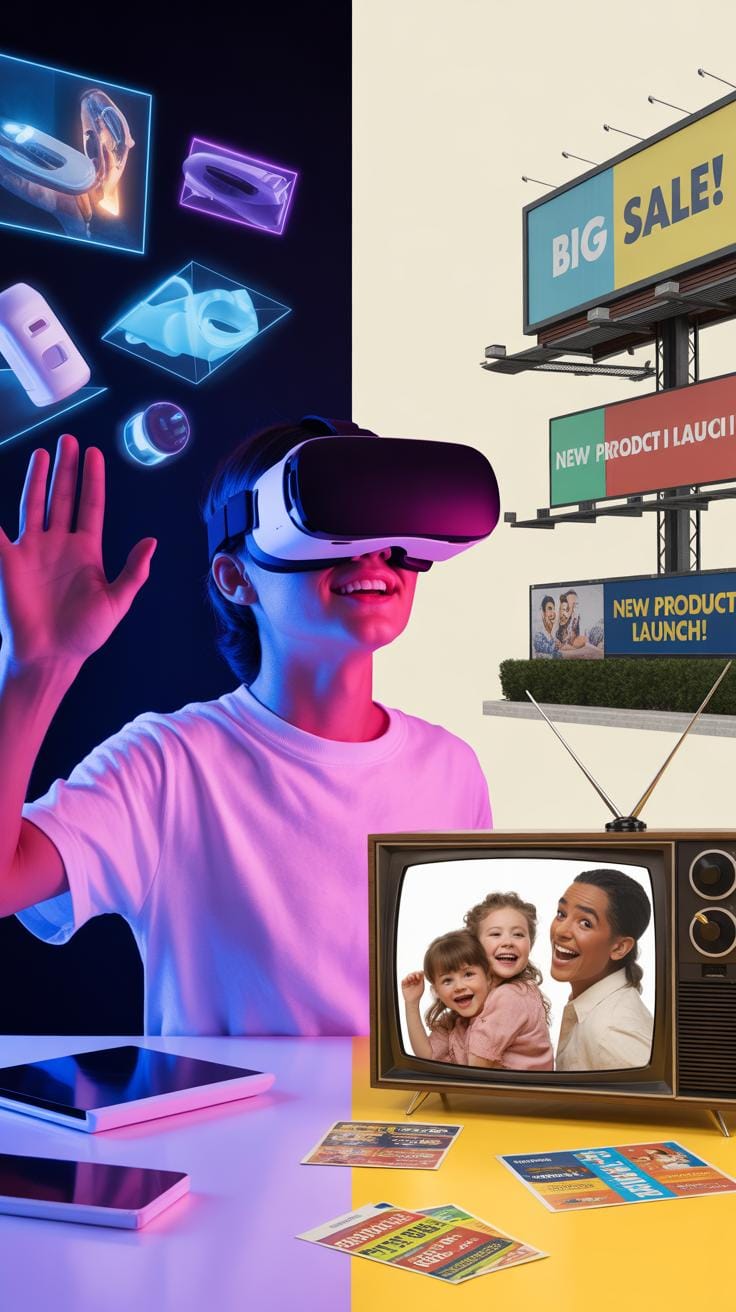
Virtual reality marketing really shifts the playing field compared to traditional methods like print ads or TV commercials. Instead of passively viewing content, you get to immerse yourself, almost like stepping inside the brand’s world. This level of engagement feels more personal, maybe even a bit more memorable, than flipping through a magazine or watching a quick video clip. There’s something different about being able to look around, interact, or experience a product in 3D space that traditional ads just can’t replicate.
When it comes to cost, VR marketing might seem pricey at first. Setting up a quality VR campaign involves technology, design, and sometimes hardware. But, the return often compensates by attracting more attention and deeper interactions. Traditional ads deliver broader reach but don’t always connect deeply. With VR, the audience is often smaller but intensely engaged. That trade-off between cost and return can feel a bit unpredictable—sometimes you’re investing heavily in a campaign that deeply resonates, other times, it might miss the mark.
Customer Interaction Differences
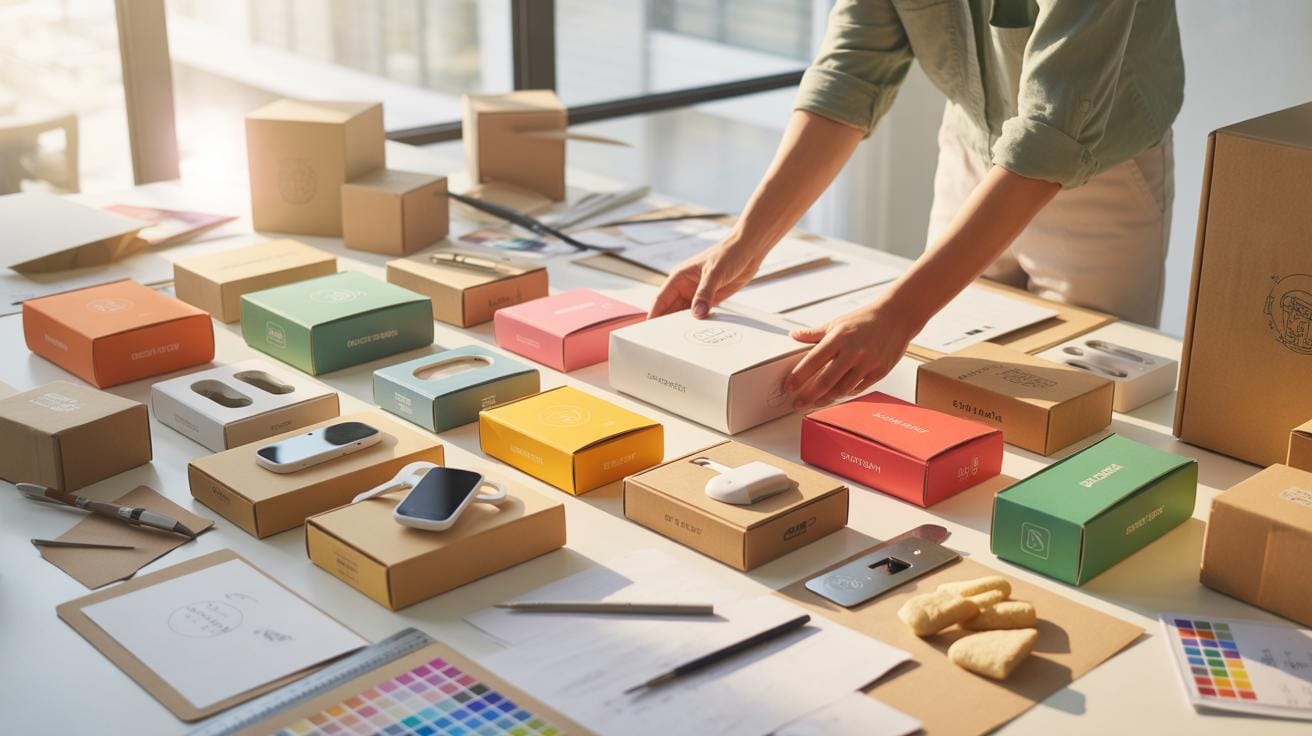
Customers interact with VR content in a way that’s fundamentally different from standard print or video ads. Instead of just looking, they’re exploring and participating. You might try on a virtual item, walk through a virtual store, or test-drive a product in a simulated environment. This involvement can change your experience of a brand, making it feel more tailored or innovative.
Traditional ads usually deliver a one-way message. VR invites a two-way experience, even if the technology isn’t fully mature for everyone yet. This difference means that sometimes users feel more in control and curious, but others might find the tech intimidating or inconvenient. So it’s a sort of mixed bag when thinking about customer preference.
Cost And Return On Investment
Cost-wise, VR campaigns generally require a higher upfront investment. Producing VR content demands specialized skills and equipment, which can run higher than making a traditional print ad or a simple video. However, the potential return on investment can be more significant if the campaign hits the right audience and offers unique value.
ROI in VR marketing isn’t just measured by direct sales. Brands might look at engagement time, brand recall, or social sharing instead. These are harder to quantify but can be worth more in the long run. So while traditional marketing might offer more predictability with clear metrics, VR asks marketers to think differently about value, sometimes betting on long-term customer relationships rather than instant results.
Setting Up VR For Marketing Use
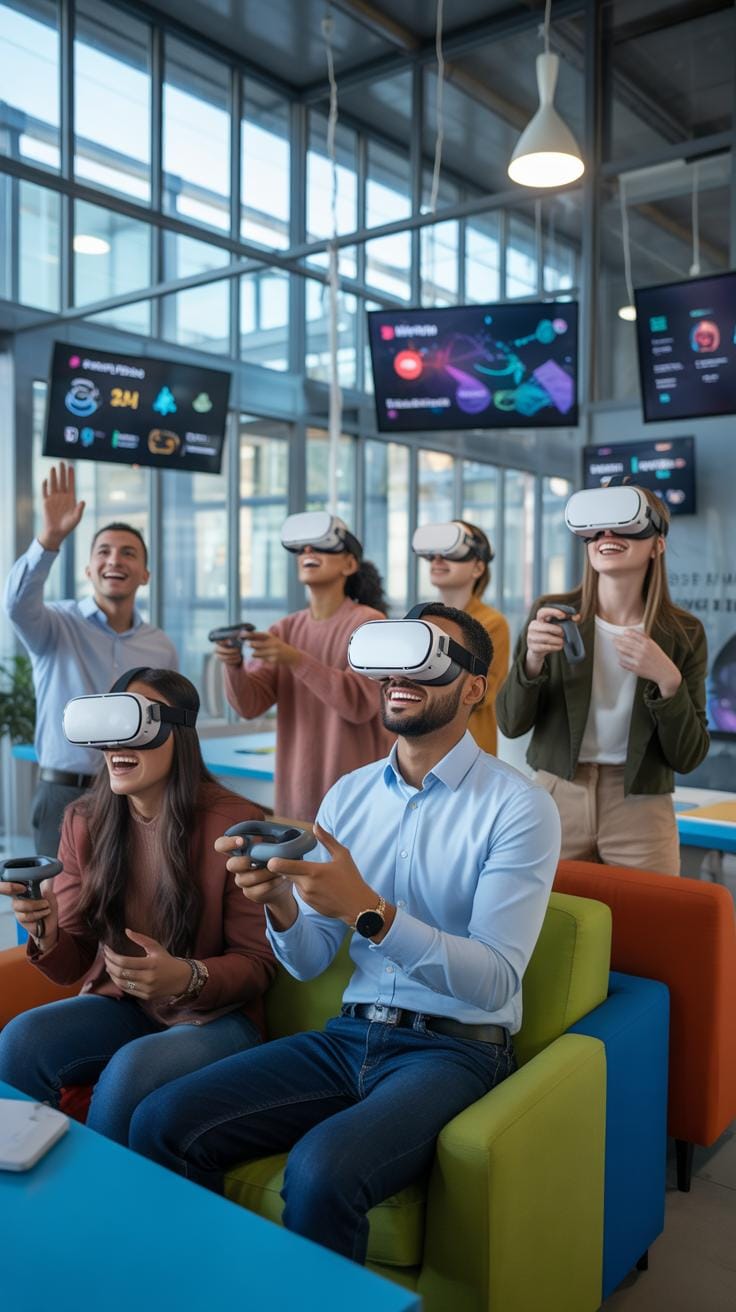
When businesses decide to add virtual reality to their marketing playbook, there’s a practical checklist to consider. First, think about your audience—who they are and how VR might engage them uniquely compared to traditional media. Next, map out the objectives clearly. Is the goal to create brand awareness, provide an immersive product demo, or perhaps build a long-term emotional connection? The answers will steer many subsequent choices.

Then, assess your current resources and skills. You will likely need a team or partner familiar with VR content creation and deployment. Budget is always a reality to confront. VR isn’t cheap, but careful planning can prevent wasted effort. Always start small, maybe with a pilot project, rather than rushing into a full VR campaign right away. That way, you learn what works before scaling.
Equipment And Software Needs
Setting up VR marketing requires specific gear. At a minimum, you’ll need VR headsets like Oculus Quest or HTC Vive, depending on the experience’s required fidelity and interaction. Don’t forget the computers or consoles that power the headset, which should match or exceed the headset’s specs. Sound quality matters as well since audio deeply affects immersion.
On the software side, select platforms that offer content creation and distribution tools—Unity and Unreal Engine are popular for development. Marketing-specific platforms such as InstaVR or Google VR provide easier interfaces for less technical users. Testing tools are vital, too; you want to polish the experience based on real user feedback before launch.
Choosing The Right VR Content
Deciding what kind of VR content to produce depends heavily on your marketing goals. If you want to showcase a product, a 3D interactive demo or virtual try-on might work. For storytelling or brand engagement, a narrative-driven VR video could be more effective. Each content type requires different production resources and skills.
Think about the user’s journey through the VR experience. Do you prefer passive watching or active participation? Both can be powerful in different contexts. Also, consider accessibility; simple controls widen your audience. Sometimes, less complexity results in a stronger emotional impact. Don’t overlook the value of testing various formats to see what resonates best with your target market.
Common Challenges With VR Adoption
Technical Limitations
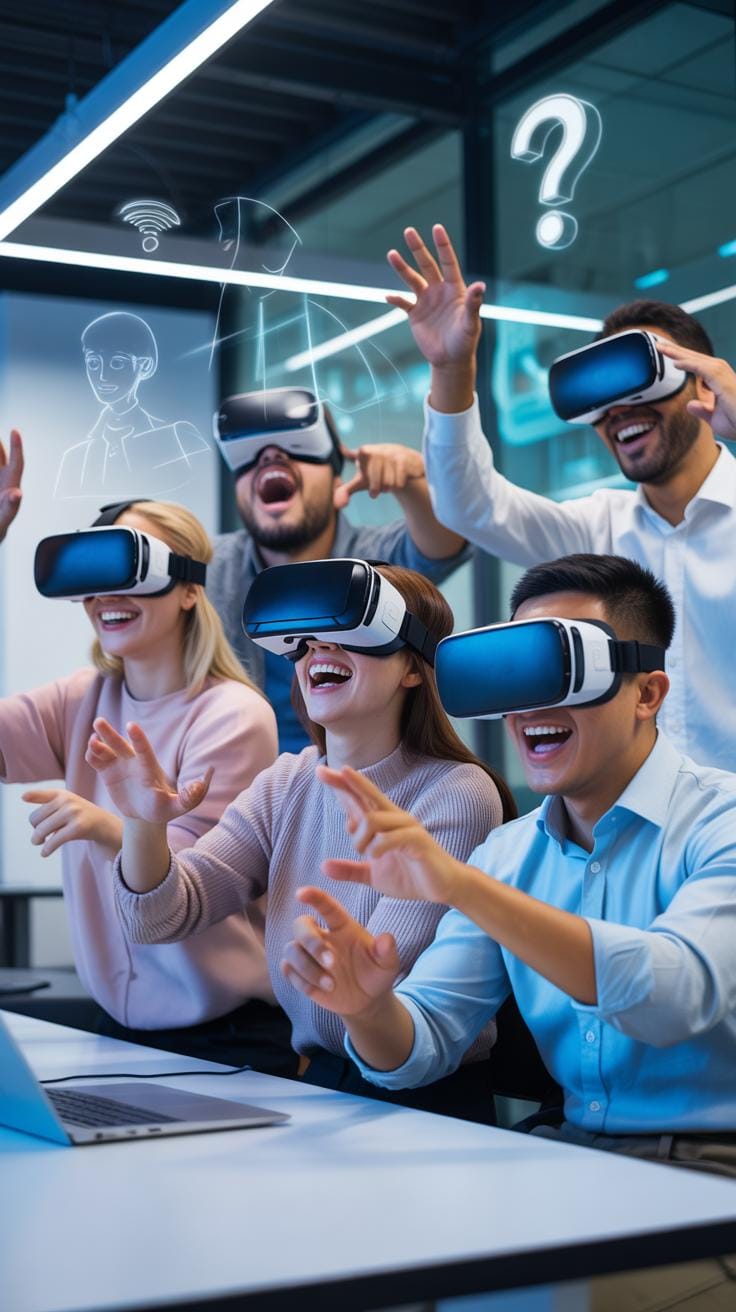
When firms dive into VR for electronics design or marketing, they often hit walls with current hardware. Headsets can be bulky and drain batteries fast, which breaks immersion. Lag or low resolution can interrupt the experience, making users lose confidence in the technology. On the software front, developing realistic simulations remains tough. Systems struggle with rendering speed and managing complex environments smoothly, especially on less powerful setups.

The cost of top-tier VR gear is another hurdle, especially for smaller businesses. Expenses pile up—not only from buying hardware but also from ongoing software updates and maintenance. It’s not unusual to wonder if the investment truly suits your specific needs or if cheaper alternatives might suffice, even if they offer less fidelity.
User Comfort And Accessibility
Users often report discomfort wearing VR gear for long stretches. It’s more than just weight; eye strain, heat, and even motion sickness can spoil the experience. Some users feel dizzy or nauseous due to mismatches between visual cues and physical movement. That raises the question: how inclusive can VR really be when so many people face these challenges?
Accessibility also falls short. Many solutions don’t fully accommodate those with disabilities, making VR less universally usable than intended. While some companies start to address these issues, there’s no one-size-fits-all fix. Feedback from a broad user base is crucial to create more adaptive and comfortable experiences.
Measuring VR Marketing Results
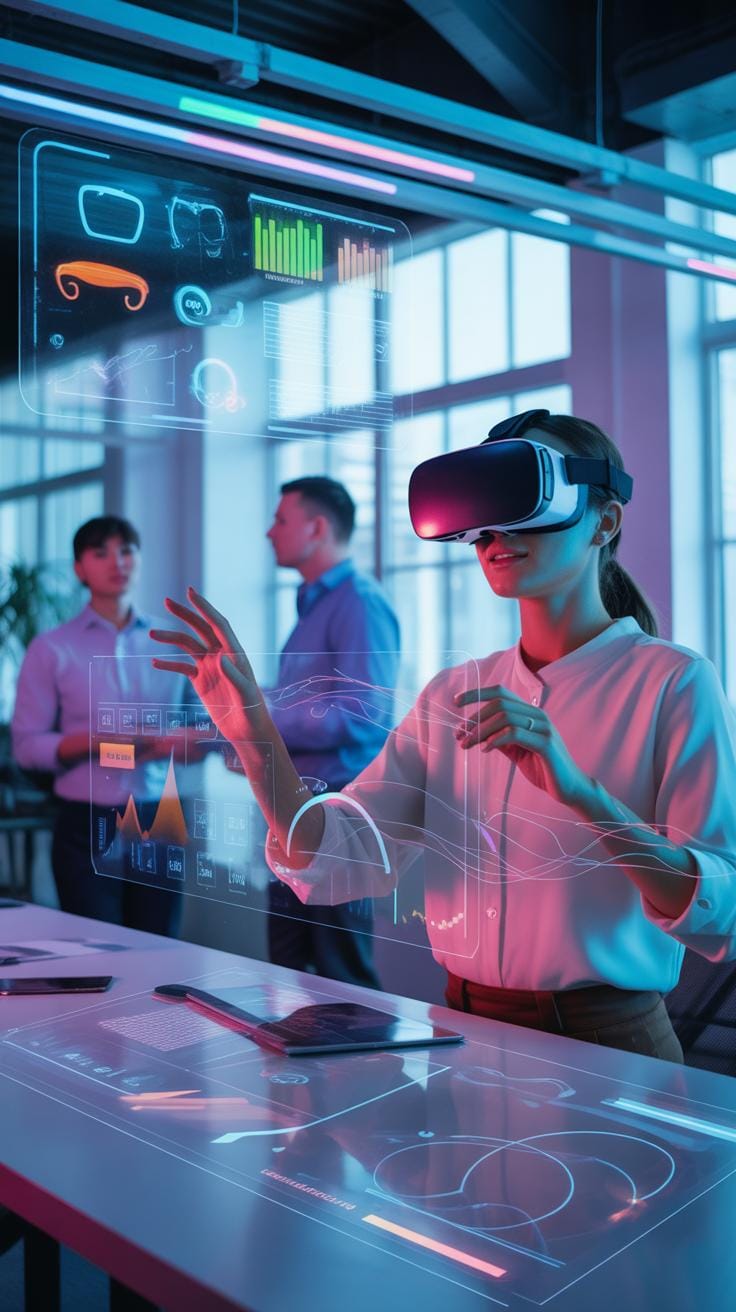
When evaluating virtual reality campaigns, marketers tend to focus on particular metrics that reveal customer engagement and sales impact, though the nuances can sometimes get a bit muddled. Engagement metrics are a starting point — they show how deeply users are exploring the VR experience. Commonly tracked indicators include session length, which measures how long a user stays immersed. Longer sessions usually hint at interest, but not always satisfaction. Interaction counts are another key metric, tallying how often users engage with elements inside the VR environment—clicks, selections, or movements that suggest active participation rather than passive viewing.

But you might wonder, do more clicks or longer sessions actually translate into sales? That’s where sales impact measurement enters. Marketers often look at direct links between VR exposure and customer behavior, for example, tracking coupon redemptions or purchase rates from users who experienced the VR content versus those who didn’t. Conversion rates and repeat visits can offer clues about lasting interest. Sometimes, though, the line between brand awareness and actual buying shifts unpredictably after VR experiences, making it tricky to isolate precise effects.
It’s also useful to consider qualitative feedback from users during or after VR sessions. Asking participants how the experience influenced their opinion or buying intent can complement raw data. Combining these insights creates a fuller picture, though it takes a bit of effort to piece everything together. What really matters is not just that users are engaged, but how that engagement nudges them toward real decisions. So, tracking both numeric engagement and follow-through in sales remains essential—if sometimes a little uncertain.
Cost Factors In VR Projects
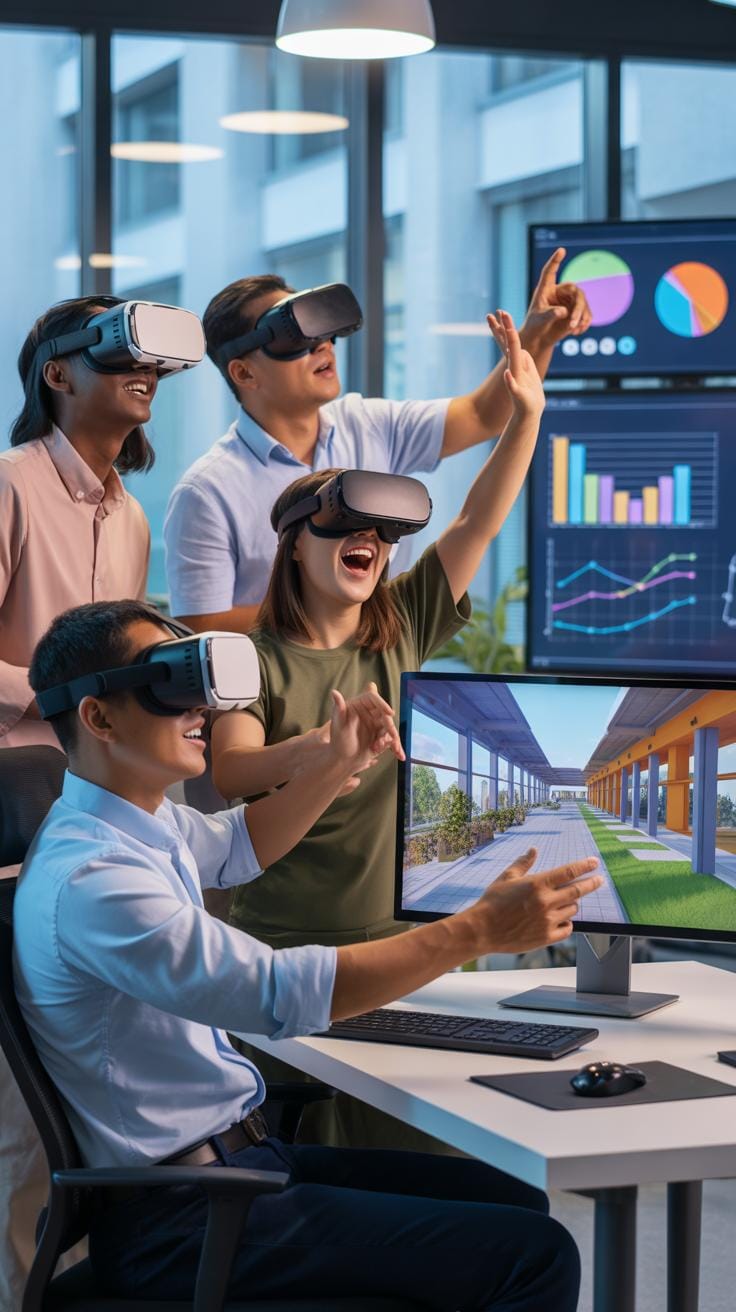
When you consider the finances behind virtual reality projects, the costs aren’t just one big number but a collection of many layers. First off, there’s the initial expenditure — think of it as the price of admission to the VR world. For hardware, this includes headsets, sensors, and powerful computers or consoles that run the VR software. High-end VR headsets can be quite pricey, sometimes running into thousands of dollars per unit, depending on their specs.
Software licensing is another big chunk. Often, VR platforms require purchasing licenses for development tools or engines, which may have subscription fees or per-seat costs. Then comes content creation. Designing VR experiences requires skilled teams—3D artists, programmers, and designers—all of whom need compensation.
The costs don’t stop once the project launches. Ongoing operational costs are significant and often surprise newcomers. Maintenance of hardware, regular software updates to fix bugs or improve features, and creating fresh content to keep users engaged all demand continuous investment. For example, a VR marketing campaign might need monthly content refreshes to prevent brand fatigue.
Sometimes you might wonder if these ongoing expenses will pay off. It’s a bit tricky since VR projects demand both artistic creativity and technical upkeep, and balancing those budgets can stretch you thin. But if managed well, these investments could lead to engaging and memorable experiences that traditional marketing can’t easily match.
VR Trends And Future Outlook
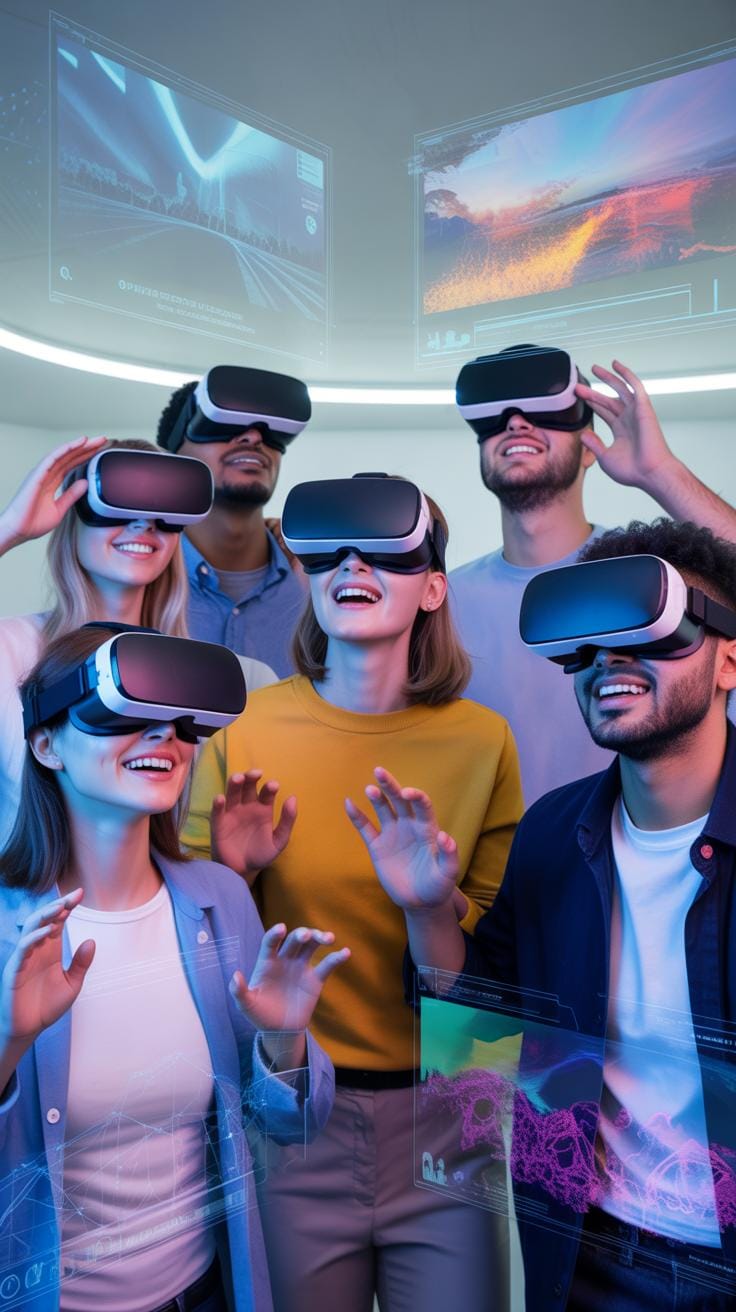
Virtual reality keeps pushing boundaries, especially within electronics and digital marketing, though it’s far from a finished story yet. You’ve probably noticed how sleek VR headsets have become lately, getting lighter and more comfortable, which plays a huge role—because if the hardware feels like a burden, people won’t stick with it. There’s also this surge in software designed specifically for marketing: interactive product showcases or virtual try-ons, for instance. That reality check of interacting with a product in VR can reshape how consumers relate to brands.
New tech like eye tracking and hand gesture controls is quietly shifting how immersive these experiences really are. Yet, is the promise of full sensory immersion ever truly achievable, or is it always one step away? For marketers and electronics developers, this raises a question: how much investment is justified now, versus waiting for even more refined tech?
- Emerging hardware: Wireless headsets that untether users from PCs or consoles, making experiences more flexible.
- Advanced software: AI-powered personalization within VR campaigns, tailoring experiences dynamically.
- Integration challenges: Ensuring VR fits seamlessly into existing digital marketing strategies without overwhelming budgets or confusing customers.
Market forecasts hint at steady growth, but adoption is uneven. Industries like real estate and fashion seem eager to jump on board, while others poke cautiously at the edges. Will VR become a staple in your marketing toolkit? Possibly, but timing and target audience understanding remain key.
Practical Steps To Use VR Today
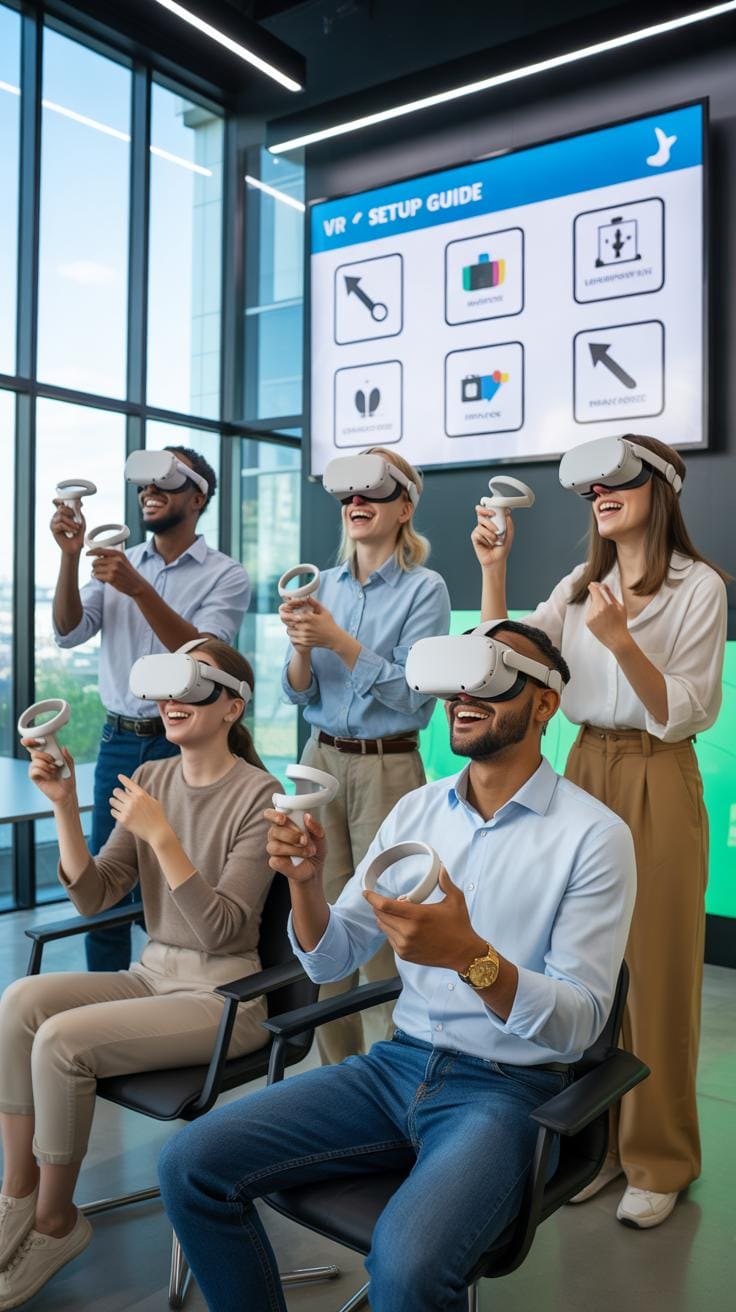
Starting with VR can seem a bit daunting. But let’s break it down to manageable steps that anyone can follow. First, consider what you want to achieve with VR—are you aiming for immersive marketing campaigns, virtual product demos, or interactive training? Knowing your goal helps pick the right tools and content approach.
Explore beginner-friendly VR hardware that fits your budget and needs. Popular options are standalone headsets like Oculus Quest or tethered setups like HTC Vive, each with pros and cons. Take time to read user reviews; sometimes devices seem fine on paper but feel different in practice.
Once you’ve got hardware, setting it up is usually straightforward—follow the manufacturer’s instructions carefully, pay attention to space requirements, and test the comfort level. Don’t rush through this; the setup experience often shapes your initial impression of VR.
Next, start creating or sourcing simple VR content. Tools like Unity have free templates and tutorials, and there are apps designed for non-experts to craft VR experiences without coding. Even basic content can be powerful if it aligns well with your objectives.
Finally, test your VR experience with a small audience before full deployment. Gather feedback, refine interactions, and fix bugs. There’s no one-size-fits-all formula here; expect to learn as you go—it’s part of the process.
If you want to jump in but worry about technical complexity, focus on user-friendly platforms and don’t hesitate to ask for expert help or online communities. VR’s potential is huge, but starting small and practical wins over trying to do everything at once.
Conclusions
Virtual reality changes the way electronics are made and used by helping companies design better products and offer new ways for customers to try them out. It also opens new paths for digital marketing by letting brands create more interesting and interactive ads that catch people’s attention. These changes offer real benefits for businesses willing to use VR technology.
By understanding how virtual reality works in electronics and marketing, you can see why it matters today. It helps companies improve their products and reach customers in new ways. With VR growing fast, learning about its effects can prepare you for its future uses in many areas.