
Introduction
Smart Glasses technology is transforming how brands connect with customers. These wearable devices overlay digital information onto the real world, offering marketers new ways to capture attention and deliver personalized content. As smart glasses become more common, they open fresh opportunities for advertising and customer interaction.
This article covers the impact of smart glasses on digital marketing trends. It explains what smart glasses do for marketers, compares them with traditional tools, shows real-world uses, and offers a step-by-step guide to integrate smart glasses into your marketing plans effectively.
Smart Glasses Features And Impact
Smart glasses are wearable devices that look like regular eyeglasses but come with built-in digital capabilities. Unlike fitness trackers or smartwatches, these glasses put information right in front of your eyes without needing to check a phone or screen. They usually have a small display in the lens area, offering an augmented reality experience or heads-up notifications.
Their main features include the ability to show data instantly, connect to the internet, and interact using voice or touch controls. This makes them quite different from other wearables because they blend digital content into your field of vision naturally. While other wearables tend to require glancing down or using hands, smart glasses keep you hands-free, which is a subtle but important distinction.
This hands-free access could change how marketers reach audiences — imagine offering personalized promotions or info at just the right moment, without interrupting someone’s flow. But will users embrace wearing tech on their faces all day? That question lingers, even as the potential unfolds.
Core Functions Of Smart Glasses
Smart glasses come packed with functions that enhance the way you experience digital content. A key feature is the heads-up display – a small screen built into the lenses that shows notifications, directions, or other data right before your eyes. You don’t have to look away from what you’re doing.
Internet connectivity allows glasses to pull live information or sync with your devices, so you never miss an update. Voice control lets you manage tasks without reaching for your phone, keeping interactions fluid and unobtrusive. Sensors track movement, environment, or even biometric information, which adds layers to how you engage with digital content.
These functions combine in a way that feels more intuitive than tapping on screens or typing on tiny keyboards. Yet, sometimes it feels like the technology still struggles to fully balance convenience with privacy or comfort — making you wonder how quickly it will really catch on.
Direct Benefits For Marketers
For marketers, smart glasses offer some clear-cut benefits that could reshape how campaigns run. Imagine delivering real-time data about a product or service directly to consumers as they look at it. No need for bulky displays or stopping to check a phone. That’s powerful.
- Hands-free communication means sales reps or brand ambassadors can interact more naturally while accessing critical info.
- Personalized content can adapt instantly based on location, preferences, or even mood sensed through the device.
- Marketers gain new insights by monitoring engagement times and behavior within this mixed reality space.
Of course, there’s a fine line. You want to offer value, not overwhelm the user. The real challenge may come down to how smart glasses can create meaningful, timely interactions without feeling invasive or distracting — but that potential alone makes them worth watching closely.
How Do Smart Glasses Improve Engagement

Smart glasses change how customers connect with brands by offering a more immediate, hands-free way to interact. Unlike traditional digital ads on phones or screens, smart glasses deliver content right into your field of vision. This keeps attention focused without requiring a click or swipe.
For marketers, this is a big deal. When people are less distracted by juggling multiple devices, they absorb messages differently. Imagine walking down a street and getting a brief product highlight or a special offer displayed discreetly on your glasses. It feels personal and timely, not intrusive or easy to scroll past.
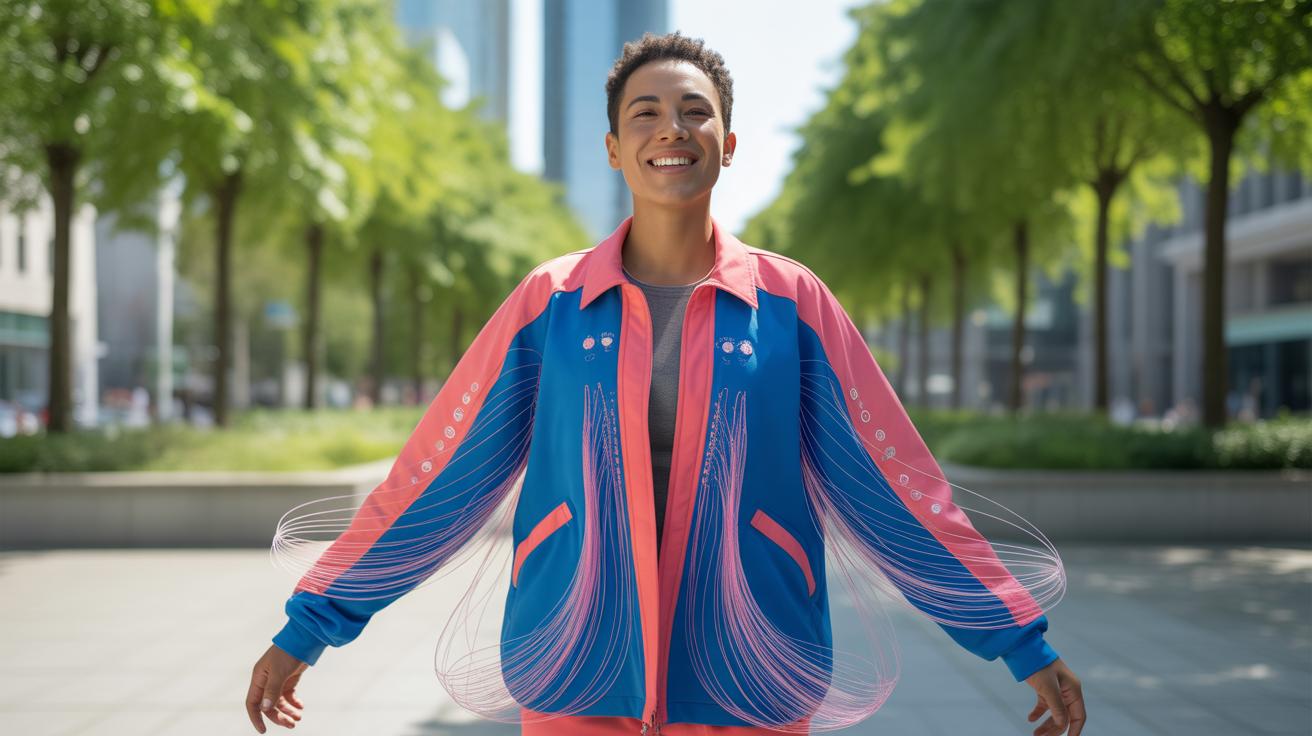
But the real edge lies in smart glasses making engagement more tactile. You might actually respond, explore details, or even share what you see without hesitation. Traditional methods can often feel passive, while smart glasses invite you closer into the experience. Do you find yourself more curious when info is in your direct line of sight? Many people seem to.
Real-Time Interaction Advantages
When ads or info appear in real-time on smart glasses, they cut through the noise effectively. Instead of waiting for someone to check their phone or TV, the message comes at just the right moment—when you’re nearby or at a specific place.
Consider a coffee shop promoting a flash discount as you approach the door. That kind of immediate, location-based info is tough for traditional tools to mimic. Plus, real-time updates on smart glasses can be subtle or vivid depending on context, which helps capture those often fleeting attention windows.
This immediacy pushes interaction rates up. People engage because the info feels relevant “now,” not just another ad stuck in an endless scrolling feed. You might glance, then act—whether to learn more or to buy. That spontaneous reaction is what brands hope for. And smart glasses can trigger it more often.
Personalized Content Delivery
Smart glasses come with sensors tracking location, movement, even user preferences. This lets marketers tailor content in a way phones or laptops struggle to do as seamlessly.
For example, if the glasses sense you’re walking through a sports store, they might highlight gear reviews or exclusive deals on running shoes based on your previous interactions. It’s a quiet, ongoing personalization that feels more natural than popping ads everywhere.
But it’s not just about location. Glances, voice commands, and biometric feedback could refine what content shows up and when. This level of customization can create a smoother dialogue between the brand and you, making messages less generic and more meaningful.
Still, there’s a balance to strike. Too much data-driven targeting might feel invasive, or—strangely—less authentic. Maybe the biggest challenge for brands will be choosing when to interrupt and when to stay in the background, keeping customers engaged without overwhelming them.
Examples Of Smart Glasses Use Cases
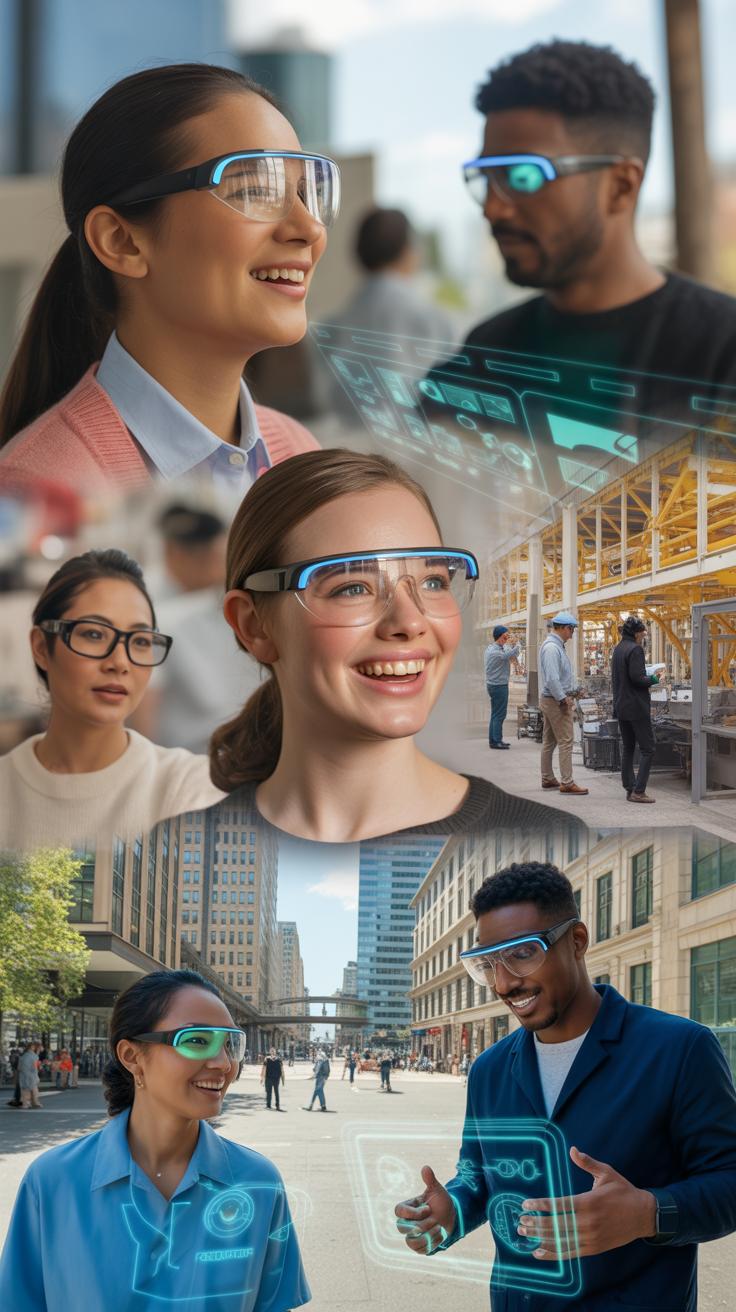
Smart glasses are quietly changing how different sectors approach marketing, often in ways you might not immediately notice. Take sports brands, for instance. They’re experimenting with letting fans wear smart glasses during games to see live stats right in front of their eyes—like a player’s speed or shot accuracy—without glancing away from the action. Some events even layer targeted ads or short replays as part of this experience, creating a mix of real and virtual moments that feels oddly personal. It’s a bit like being inside the game, but then again, that can sometimes distract more than enhance the experience.
Retailers are also trying out smart glasses to guide shoppers through stores. Imagine you’re hunting for a specific brand, and your glasses highlight the aisle or even overlay product details as you scan shelves. Some stores push personalized promotions based on past purchases, all shown discreetly in your view. It’s practical, but it can also feel intrusive if the technology isn’t careful about timing or relevance. Still, the potential for cutting down search time or offering instant product info is something that many shoppers could find useful.
Beyond these, healthcare providers are exploring smart glasses for patient interactions and staff training, while sports brands experiment with fan engagement. It’s interesting to consider: as smart glasses become more common, how will user tolerance for constant digital input evolve? Are we ready for yet another layer of information always present in our field of vision, or will it need to be more selective to truly work?
Smart Glasses Versus Smartphones
Hands-Free Experience Benefits
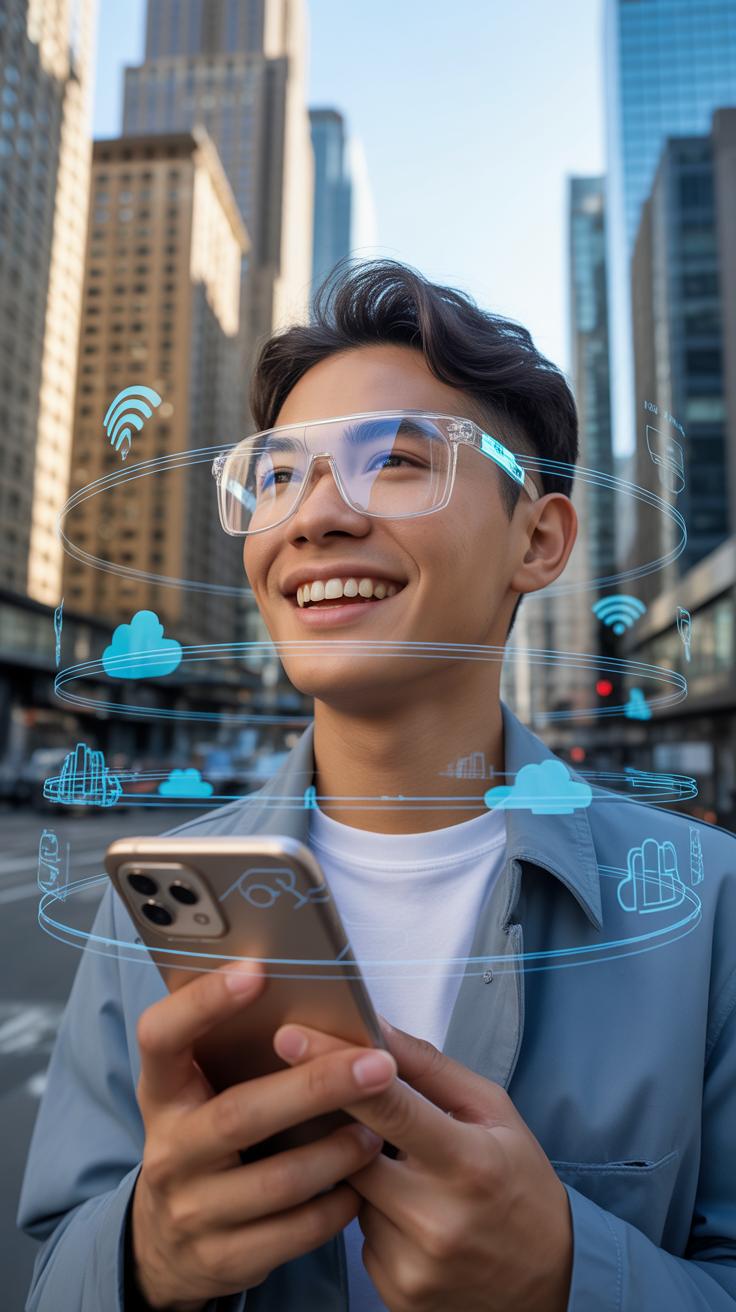
Smart glasses offer something smartphones can’t quite match: hands-free access. This means users can interact with digital content without pulling out a device or tapping a screen. For marketers, this is a big deal. Imagine a shopper browsing product info or reviews while their hands are full. Or a tourist checking navigation without stopping to check their phone. It feels smoother, less intrusive, maybe even more natural.
That said, hands-free doesn’t always mean effortless. Voice commands can lag or misinterpret, and the learning curve for users might slow adoption. Still, in environments where quick, distraction-free access matters—like retail, events, or field services—smart glasses give campaigns a unique edge. They help keep potential customers engaged without interrupting their flow.
Screen Size And Visibility Issues
One drawback smart glasses face is screen size. Unlike smartphones, which have relatively large, bright displays, smart glasses project information onto small lenses or in a limited field of view. This can make content harder to read, especially in bright sunlight or busy settings.
You may find some messages or visuals cramped or simply lost in the peripheral blur. This limits what marketers can realistically show. Complex graphics or detailed product images, for example, may not translate well. Smartphones still have the upper hand here, offering bigger, sharper screens that handle diverse media easily.
So, while smart glasses open new routes for interaction, they don’t replace smartphones when clarity and visual richness are priority. The choice depends heavily on the campaign’s goals and context—would you trade some screen real estate for hands-free convenience? It’s a balance worth testing in your strategies.
Setting Up Smart Glasses Campaign

Defining Goals And Audience
Start by getting really clear on what your campaign should do. Are you looking to increase brand awareness, boost sales, or maybe introduce a new product? Pinpointing this early helps set the tone for everything else. It might be tempting to tackle every possible goal, but focusing on one or two keeps things manageable.
Next, think about who needs to see your message. Is your ideal audience tech-savvy early adopters, busy professionals, or perhaps people in a specific location? The more precise you get here, the better your smart glasses content will resonate. For example, a campaign targeting outdoor enthusiasts might use heads-up info related to their environment, while office workers might prefer something else entirely.
Choosing Smart Glasses Platforms
Choosing the right smart glasses platform depends a lot on your earlier decisions. Different devices come with different capabilities—some support video overlays, others rely on audio cues, and some offer interactive touchpads or voice commands. Take a moment to consider how your goals and audience preferences line up with these options.
Don’t forget about the software side. Look for platforms with development tools that match your skills or your team’s. Some have ready-made apps, while others let you build custom experiences from scratch. For instance, if your campaign hinges on real-time location data, pick glasses that handle GPS integration smoothly. Sometimes, trial and error is part of the process—you might not find the perfect match right away, but testing early can save headaches later.
Measuring Smart Glasses Campaign Success

Tracking User Interaction
Tracking how users engage with smart glasses ads isn’t straightforward, but it’s crucial. You can monitor the number of views—the first step in gauging reach—and break that down further into active gaze time. That means not just whether the ad was on screen, but if the user actually looked at it. Time spent interacting can tell you volumes about interest, especially if users explore interactive elements or follow prompts.
Actions taken also matter. Did the user click a virtual button? Did they request more info or share content via voice commands? These small interactions can mark engagement spikes. Collecting this data depends on the glasses’ sensors and software, which track eye movement, voice triggers, and even gestures. While not always perfect, it offers direct insight into attention and curiosity, something traditional ads can’t capture so precisely.
Analyzing Conversion Rates
Linking what happens on smart glasses to actual sales is tricky but doable. You might track when a user makes a purchase shortly after interacting with a glasses-based promo, or when they sign up for a service prompted by the ad. Attribution requires connecting smart glasses’ activity logs with sales databases or CRM systems.
Sometimes, this connection isn’t immediate. A glance at an ad might spark curiosity, leading to purchase days later through another channel. So, combining smart glasses data with broader customer journey analytics can help map conversions more clearly. This means not just counting direct clicks, but looking for patterns—like repeated engagement or follow-up searches initiated by the smart glasses experience.
Have you wondered what subtle user signals from smart glasses might reveal about their readiness to buy? Tracking conversions here isn’t just about numbers; it’s about understanding new kinds of customer behavior that these devices unlock.
Handling Privacy In Smart Glasses Marketing
User Data Protection Steps
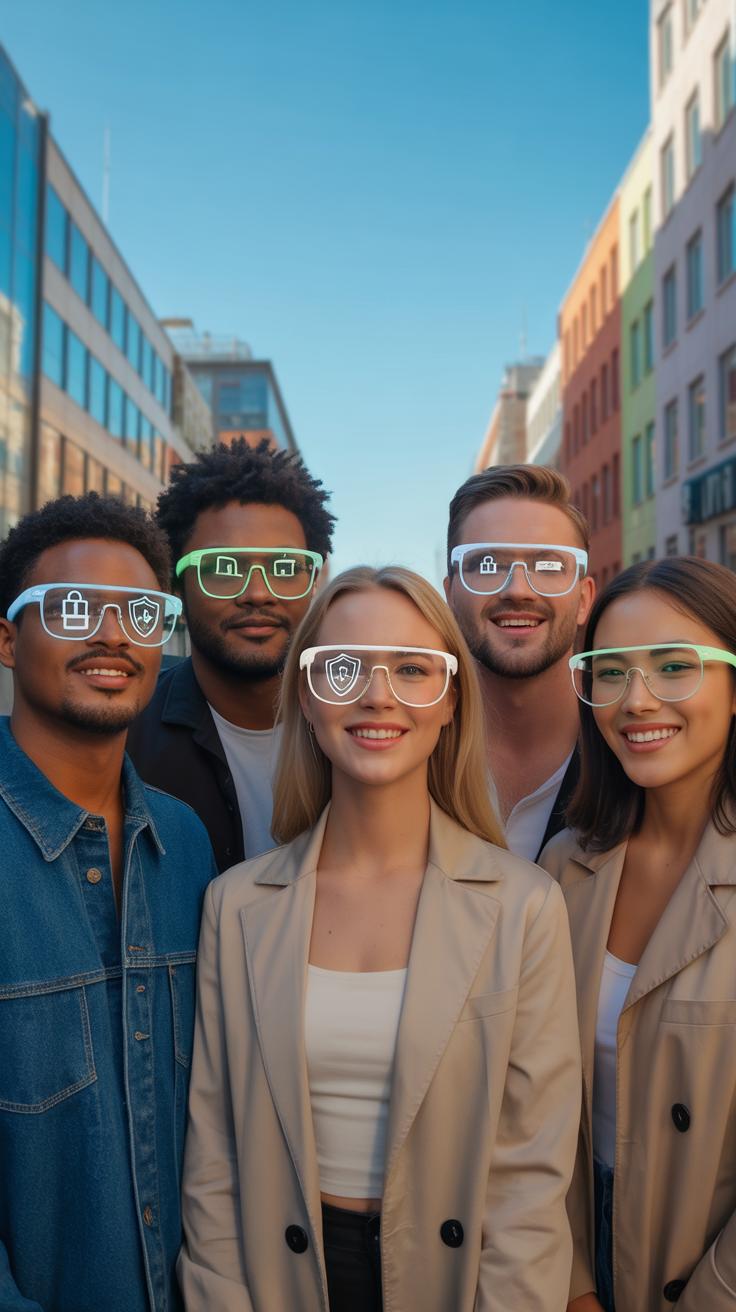
Smart glasses collect a lot of data—location, visuals, user habits—which can be pretty sensitive. Marketers have to be very careful about protecting that information. You can’t just assume users know what’s being gathered or that they’ll trust you without clear communication. So, one key step is transparency: explaining what data is collected and why, in simple terms. It’s surprising how many campaigns overlook this.
Practically, anonymizing the data helps a lot. Strip out identifiers so even if data is intercepted, it can’t be traced back to individuals. Encrypt data at every stage—while it’s stored and transmitted. Another thing people often forget is limiting access. Only a few, trusted team members should handle this data. That keeps risks down.
Also, think about data minimization. Collect just what you need, not everything possible. That’s a principle that seems obvious, but it often gets ignored in the rush to innovate. Do you really need every detail about every user? Probably not.
Complying With Regulations
Privacy laws are tricky, especially with smart glasses because they blur lines between public and private spaces. Laws like the GDPR in Europe and CCPA in California set strict boundaries on collecting and using personal data. Marketers must stay updated on these rules because non-compliance carries heavy fines—and, frankly, loss of user trust.
One challenge is consent. Smart glasses can collect data passively, which makes explicit opt-ins essential. Users should be able to withdraw consent as easily as they give it. Some brands struggle with how to make privacy settings accessible on such a small device, but it’s necessary. You can’t ignore it.
Beyond consent, marketers need clear policies for data retention and deletion. Keep the data only as long as necessary and have processes for securely deleting it when it’s no longer needed. It often gets overlooked until an audit or crisis hits.
Are marketers prepared for the unpredictability of privacy expectations as smart glasses become more widespread? It’s a question worth considering—especially since laws can change or new ones might pop up. Staying proactive with privacy won’t just protect your campaigns, it might be the key to keeping users on board in the long run.
Cost Factors For Smart Glasses Advertising
Hardware And Software Expenses
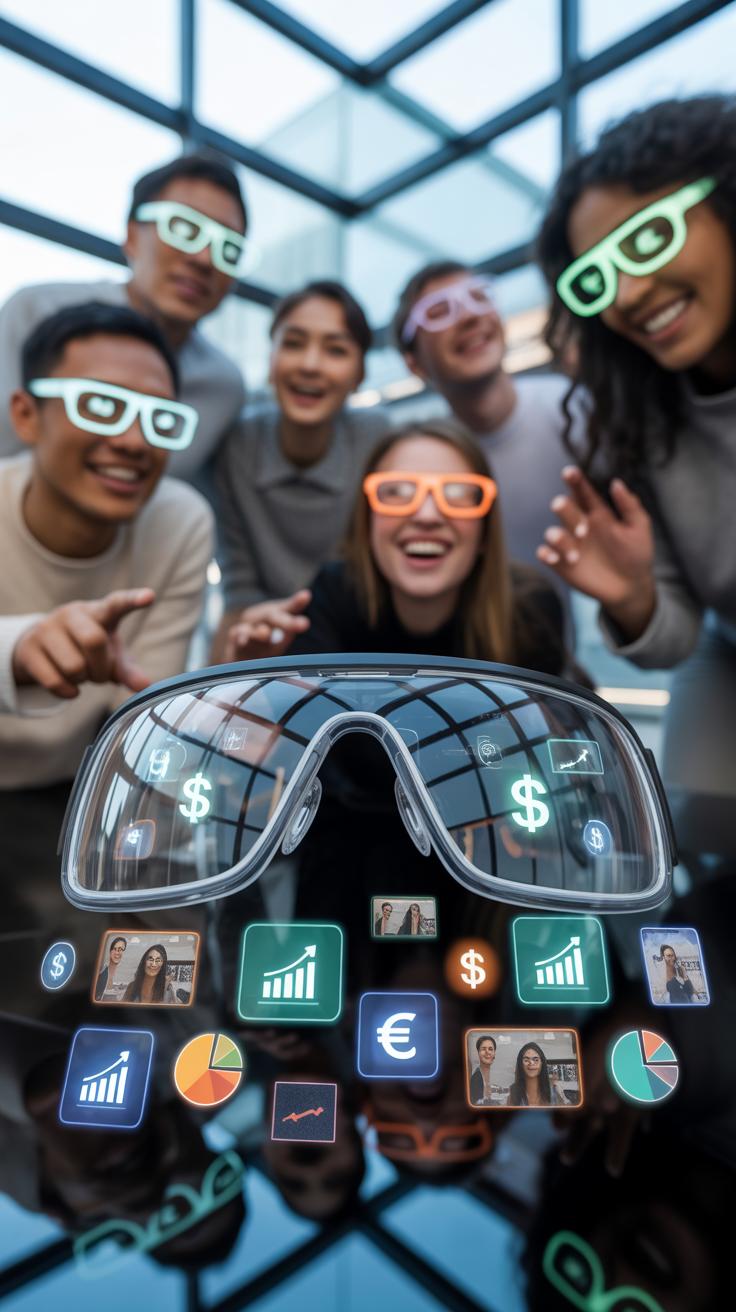
The cost of smart glasses devices is often a major hurdle, especially for smaller businesses. Entry-level models might run you a few hundred dollars each, but the higher-end options can easily cross the $1,000 mark per unit. If you plan a campaign requiring multiple devices—for example, in retail stores or events—costs multiply quickly.
App development adds another layer of complexity and expense. Custom apps tailored to smart glasses need specialized skills, and hiring developers can be pricey. For a simple app, expect around $20,000, but more complex features like AR overlays or real-time analytics push that number upwards.
Don’t forget platform fees. Some smart glasses manufacturers or third-party platforms charge subscription fees to access their ecosystems or cloud services. These might seem minor initially—say $100 to $500 a month—but they add up over time. Small businesses might hesitate here, while larger firms see this as an investment in capability.
Campaign Maintenance Costs
Once your campaign is live, the work doesn’t stop. Updates need to be pushed frequently to fix bugs or tweak the experience based on user behavior. This ongoing development demands either a dedicated team or recurring external contracts—both have budget impacts.
Customer support often gets overlooked but can significantly affect satisfaction and results. Responding to user issues or guiding them on device use requires staff, which means salary expenses or outsourcing costs.
Managing and analyzing the data collected through smart glasses campaigns can also be tricky. You might need data specialists or advanced software tools, which won’t always be cheap. Still, this kind of intelligence is what drives better targeting and ROI, so many businesses consider it worthwhile.
Looking at these expenses, you might wonder if smaller companies can pull off smart glasses marketing without breaking the bank. The answer isn’t straightforward—it depends on how creative they get and their long-term goals. Some might partner with platforms offering bundled services, while others may pilot smaller-scale projects first.
Common Mistakes In Smart Glasses Use
Ignoring User Comfort
One mistake I often see is marketers overlooking how users actually feel when wearing smart glasses during campaigns. People don’t want ads that interrupt their focus or cause discomfort. Imagine walking down a street and suddenly getting a bright, flashy notification right in your line of sight—it’s distracting, even annoying. If your campaign makes users tense or uneasy, they might just remove the glasses or switch off the app altogether. Comfort isn’t just physical, either. The timing and relevance of the content matter. Ads popping up too often or at the wrong moments can create a negative impression. You want to blend your message into the user’s experience, not disrupt it.
Overloading With Information
Smart glasses have limited screen space. Marketers sometimes cram way too much info on screen, thinking the more, the better. This rarely works. If your content feels cluttered or confusing, users will likely ignore it or get frustrated. Clear, simple messaging works best. Think of it as a quick nudge, not a detailed article. Short sentences, few words, and easy-to-grasp visuals count more than complex layouts. One of my clients tried an elaborate offer with too many steps displayed at once—it backfired. People just glanced and moved on. When you strip your content down to essentials, it’s easier for users to process without feeling overwhelmed.
Future Trends For Smart Glasses
Advancements In Augmented Reality
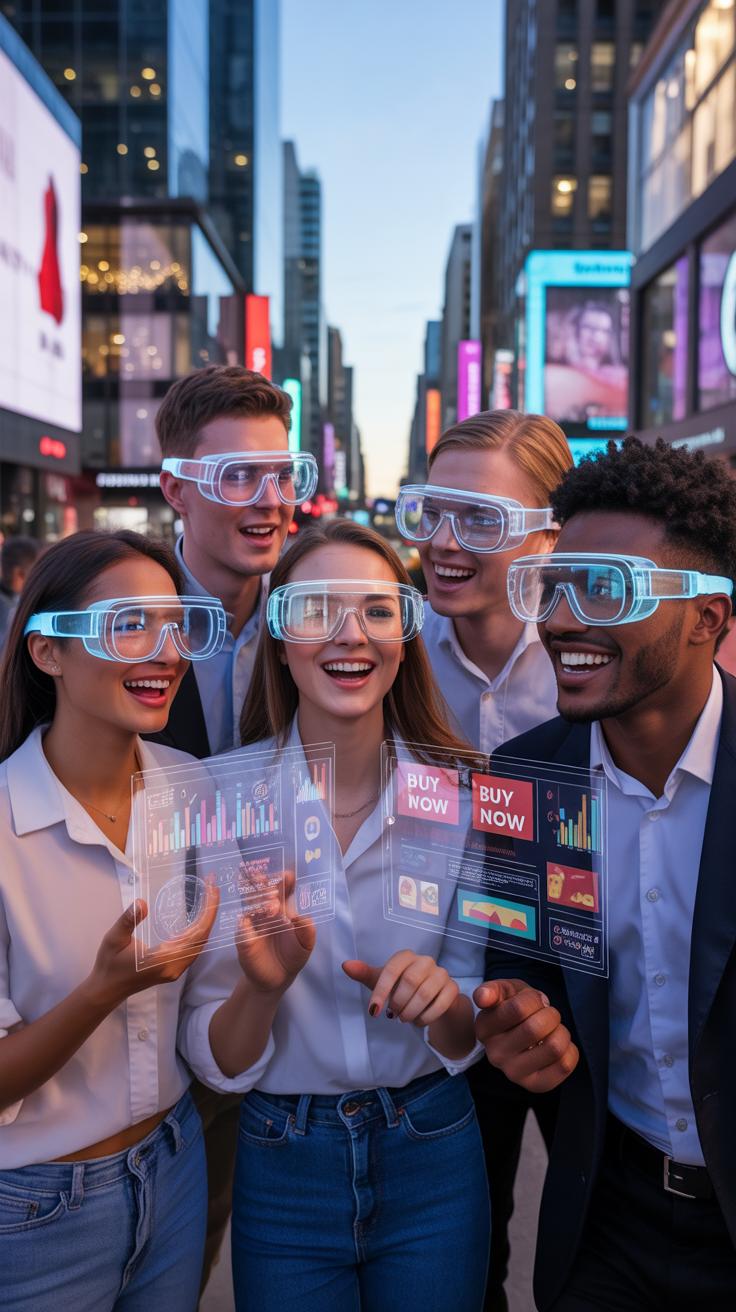
The push toward more advanced AR in smart glasses is definitely shaking things up. Imagine glasses that not only overlay simple info but actually respond dynamically to your environment and preferences. This could mean ads or content that feel less intrusive and more like helpful nudges, tailored specifically to where you are and what you’re doing.
For marketers, this opens doors to creating campaigns that can adapt in real time. Picture walking past a store, and your glasses subtly highlight a deal without interrupting your flow. Or, perhaps, they provide instantly accessible reviews or tutorials related to the product in front of you. It’s less about selling and more about enhancing experience—though it still pushes the brand’s agenda in a clever way.
Of course, there’s still the question of how natural and accurate these AR features will become. With advancements like spatial mapping and eye-tracking getting better by the day, marketers might soon be able to capture user attention more precisely—without overwhelming them.
Growing Consumer Adoption
Smart glasses aren’t exactly mainstream… yet. But their use is definitely picking up. More people are willing to give them a try, especially as designs get sleeker and tech becomes less clunky. As adoption grows, marketing strategies will need to evolve from experimental to more structured approaches.
For now, most users are early tech adopters or niche groups, which means marketers should refine messaging to fit these audiences before going broad. The diversity of users means ads delivered through smart glasses can range widely—from practical, everyday tips to immersive brand stories, depending on who’s wearing them.
That said, mass adoption might bring challenges in balancing personalization with privacy. Marketers will have to tread carefully to avoid alienating users—there’s no one-size-fits-all here.
Still, if you’re planning ahead, focusing on user experience and subtle engagement will probably pay off as more consumers pick up smart glasses over the next few years. How you tailor content for this growing audience might just determine how effective your next campaign is.
Conclusions
Smart glasses are reshaping digital marketing by providing immersive, real-time experiences. They allow marketers to present tailored content directly in users’ field of view, increasing engagement and brand recall. As adoption grows, marketers who leverage smart glasses early can gain a competitive edge.
Understanding how to use smart glasses in campaigns and learning from current examples will help you take advantage of this technology. By following practical steps and focusing on user experience, your marketing efforts with smart glasses can become effective and relevant.