

Introduction
Packaging plays a critical role in the success of small businesses, especially in the electronics sector. It is not just about protecting the product; packaging influences customer perception, brand reputation, and even environmental impact. Small Business Packaging Ideas For Electronics With Innovative Products Packaging Ideas help you stand out in a competitive market. This article will cover practical ideas and strategies to improve your product packaging and attract more customers.
You will learn how to balance creativity, functionality, and sustainability in electronic packaging. Whether you are launching a new product or improving existing packaging, these insights will help you save costs, enhance presentation, and meet customer expectations effectively. Innovative packaging ideas will be explained with examples and actionable tips for small business owners.
Packaging Materials Overview

When it comes to packaging materials for small electronics businesses, a few common choices stand out: cardboard, plastic, foam, and biodegradable options. Cardboard, especially corrugated fiberboard, is widely used because it’s affordable and offers decent protection. But, sometimes it struggles with moisture and might not cushion very fragile items well. Plastic packaging, on the other hand, often provides better moisture resistance and can be molded to snugly fit electronics, yet it tends to be less eco-friendly and sometimes a bit more costly depending on the type.
Foam materials, like polyurethane or polyethylene foam, excel at cushioning and shock absorption, which is crucial for delicate gadgets. Their downside? Environmental concerns and disposal challenges, as most are not biodegradable. Biodegradable packaging options—such as materials made from plant fibers or cornstarch—are catching on. They appeal to eco-conscious customers but can be pricier and may not always provide the same durability or protection level as traditional materials. It’s a trade-off, really, between cost, protection, and environmental impact.
Choosing Materials For Protection
Picking the right packaging depends heavily on the fragility and durability of the electronic item. For very fragile products—think glass-screened devices or precision components—using a combination of stiff cardboard boxes and foam inserts usually helps minimize damage during shipping. For sturdier electronics like certain chargers or cables, simpler cardboard packaging might do the job, cutting costs without sacrificing safety too much.

You have to ask, how rough will the shipping route be? A product going through several handlings or traveling cross-country will need more padding and stronger materials compared to local delivery. Even within the same category, the ideal packaging material can change; a compact but sensitive sensor might need dense foam, while a rugged portable speaker might only require a well-sealed cardboard box.
Cost Versus Eco-Friendliness
Balancing cost with environmental responsibility is a bit of a puzzle. Budget options like standard cardboard and basic plastic wraps keep expenses down but may contribute to waste. Eco-friendly materials, such as recycled cardboard or biodegradable fillers, often come with a higher upfront price tag but could improve brand image and attract customers who care about sustainability. This can indirectly save money by building loyalty.
Some small businesses save costs by optimizing box sizes to reduce material use or shipping weight. Reusing packaging materials and sourcing from suppliers who offer bulk discounts also help. In the end, it’s a mix of smart choices and compromises—striking a balance between what you can afford and what feels right for your business and the planet.
Small Business Packaging Ideas
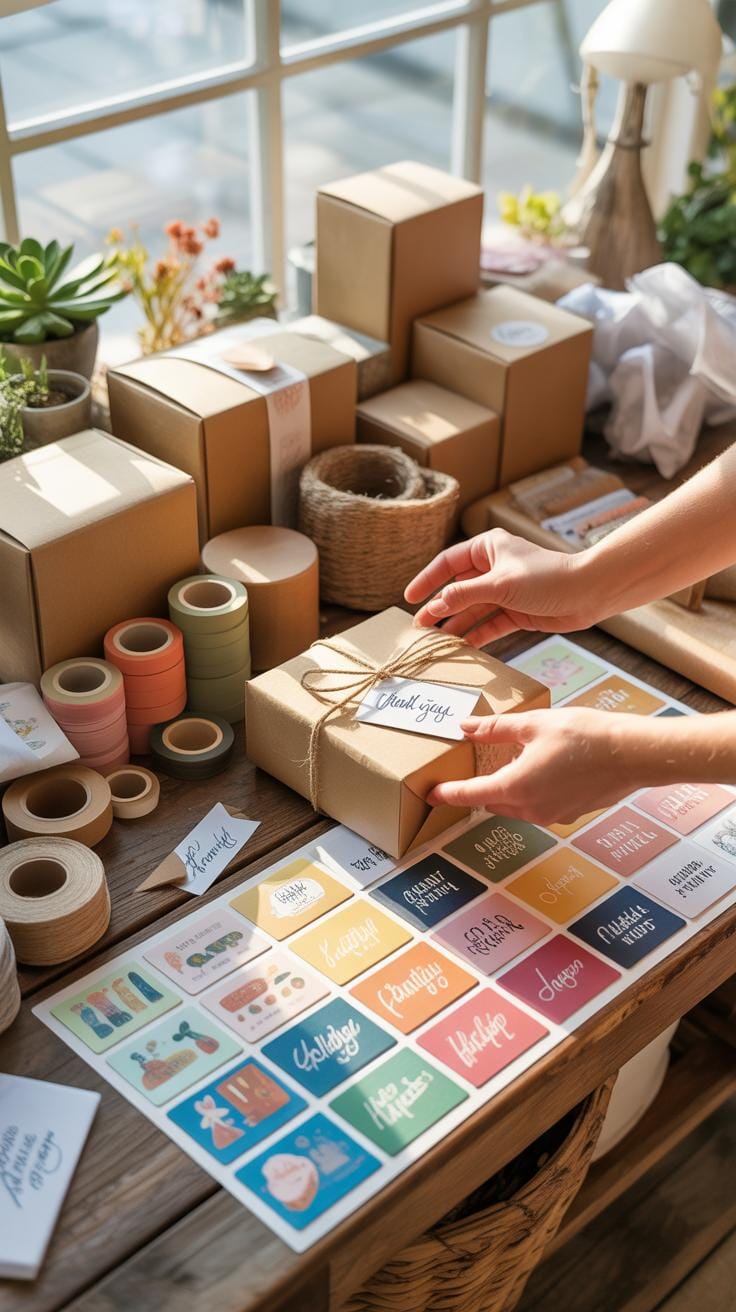
When it comes to packaging electronics for a small business, practical choices can make a big difference. Your packaging should balance protection and presentation without overcomplicating the design or raising costs too much. After all, you want customers to feel confident about your product right from the start.

Consider simple, sturdy boxes that fit the product snugly. Using foam inserts or molded pulp can keep items safe during shipping. It’s tempting to go for flashy designs, but sometimes a clean, minimal look works better, especially when paired with thoughtful branding elements.
Think about how your design elements—like logos, color palette, and fonts—communicate your brand’s personality. Consistency here matters. It’s also worth reflecting on the unboxing experience. Small touches like a custom thank-you note or an easy-open tab can stick with customers longer than you’d expect.
Don’t overlook environmentally friendly materials if that fits your brand values—buyers often appreciate sustainability, even if they don’t always say it outright. On the flip side, overly complex packaging can frustrate and turn buyers away, so keep usability in mind.
What kind of first impression do you want your packaging to leave? Sometimes, focusing on clarity over flashiness may just be the most effective strategy for a small electronics business—especially one building its reputation step by step.
Sustainable Packaging Options

When thinking about packaging for your small electronics business, sustainable options might seem tricky but actually offer some clear paths. Consider recyclable materials like cardboard or certain plastics, which customers can easily place in recycling bins. Then, there’s compostable packaging, often made from plant-based fibers or bioplastics, that breaks down naturally over time—though this may require specific compost conditions you should check on.

Reusable packaging is another angle. Imagine your customers returning boxes or cases, which you clean and reuse. It might seem a hassle, but it can build a loyal community around your brand. Sustainable packaging impacts how customers see your business—showing you care beyond just selling products—even if initial costs might be a bit higher. Do these costs balance out? Often, yes, given the positive brand impression and potential savings on materials long term.
Benefits Of Eco-Friendly Packaging
Choosing eco-friendly packaging does more than just lessen waste. It can pull in customers who prioritize green choices—that means you might tap into a niche market willing to pay a bit extra for responsible packaging. Plus, you’re cutting down landfill contributions, which feels like a small but meaningful win. On top of that, staying ahead with sustainable practices can keep you aligned with evolving regulations aimed at reducing environmental harm. Not to mention, some local laws now favor or even require certain recycling or composting packaging standards, so being proactive saves headaches later.
- Attracts environmentally conscious customers
- Reduces waste and landfill impact
- Helps comply with packaging regulations
- Enhances brand reputation as responsible and forward-thinking
Implementing Recycling Programs
Recycling programs don’t have to be complicated to get started. You might begin by clearly labeling your packages with simple recycling instructions—sometimes customers just need a nudge. Consider offering small incentives for returning packaging or participating in recycling efforts, like discounts or loyalty points. Partnering with local recycling services can smooth the process, ensuring materials are effectively handled. Internally, you can set up separate bins for packaging waste at your workspace to model behavior for staff and send consistent messages to customers.
A gentle reminder: not all customers will act on it, but making recycling easy and visible encourages more participation. Think step-by-step—start small, see what works, and scale from there. Does this kind of initiative feel like extra effort? Maybe. But it’s part of what shapes a brand that people trust and want to support.
Packaging Process Checklist


When you package electronics, a straightforward checklist can really keep things on track. Start by choosing the right materials. Think about durability—something like anti-static bubble wrap or foam inserts usually does the trick because electronics need that extra care. Then, finalize the design of your packaging. You want it to look good but also protect the product effectively.
Once the design is set, move on to printing your branding or necessary information—clear and precise is best here. Assembly follows printing. This is where you combine the box, cushioning, product, and any manuals or accessories. Finally, prepare for shipping. Double-check that everything is sealed properly, labels are accurate, and packages are sturdy enough for transit. Skipping steps here can lead to headaches down the line.
Preparing For Packaging Assembly
Before you start putting things together, organize your workspace. It might seem obvious, but trust me, clutter only slows you down and increases errors. Have all materials and tools within easy reach, and a clean surface to work on. Quality checks before assembly help catch any defects in packaging materials or printing that might otherwise waste time once assembly is underway.
Also, consider your team’s workflow. Are roles clearly assigned? Does everyone know the order of steps? Sometimes a quick briefing before starting can save a lot of confusion. Frankly, those small preparatory habits help maintain focus and reduce mishaps.
Final Quality Inspections
Right before shipping, a thorough quality inspection is key. Check if the packaging is sealed tightly and securely. Any loose edges or poorly taped flaps might cause problems during shipping or customer unboxing. Verify that the correct item is inside with no damage. Sometimes, minor oversights here lead to returned goods and unsatisfied customers.
Make sure all labels are correct and clearly visible. Customer-ready means not just safe, but also professional-looking. Often, a fresh set of eyes can spot issues missed earlier. It’s a simple step but can save a lot of trouble afterwards. Do you rely on checklists during inspections? They really help keep things consistent.
Custom Versus Standard Packaging


When thinking about packaging for your small electronics business, the choice between custom and standard packaging isn’t always straightforward. Custom packaging usually offers a tighter fit for your products and can express your brand more vividly. You might find that this leads to a stronger connection with your customers, conveying professionalism and care. On the other hand, standard packaging often saves money and avoids the wait times associated with custom orders. For small batches or more generic electronics, it might be the more practical choice.
Costs are a big factor here. Custom packaging requires upfront investment, design work, and sometimes minimum order quantities that can feel intimidating when you’re just starting out. But the impact on brand identity and product protection can often justify this if you plan to grow. Meanwhile, standard packaging tends to be less complex, offering quicker turnaround and lower risks if your product line might change or if you want to test new items without committing too heavily.
In many cases, the decision comes down to how unique your product truly is and how much you want your packaging to do for you beyond basic protection. Would your customers notice or appreciate that distinct, custom touch? Or would they be fine with simple, effective packaging that just gets the job done? Often, small businesses find themselves using a mix, switching between the two depending on product launch stages, demand, and budget.
Advantages Of Custom Packaging
Custom packaging shines when you want to make a statement. It lets you:
- Design packaging that perfectly fits your product, reducing wasted space and potential damage.
- Showcase your logo, colors, and brand story clearly, making your product instantly recognizable.
- Create an unboxing experience that feels personal and memorable, encouraging customer loyalty and word-of-mouth.
- Include product-specific features like inserts, compartments, or protective materials tailored to electronics.

From my experience, investing in custom packaging often feels like investing in trust. When customers see packaging that looks uniquely made for a product, they tend to expect higher quality inside. But keep in mind, it’s not always necessary for every situation.
When To Use Standard Packaging
Standard packaging might be the right choice when:
- Your product dimensions are typical and don’t require special protection.
- You’re producing small quantities or limited editions where custom orders don’t make financial sense.
- You need to get products to market quickly without delay.
- You’re testing new products and want to minimize upfront investment.
Sometimes, standard packaging is perfectly adequate and can even appeal to customers who prefer simple, no-frills presentation. And frankly, when time or budget is tight, it’s often better to get to market efficiently than to hold out for perfection. You can always upgrade packaging later as your business grows.
Ultimately, it’s about balancing your goals and resources. Custom packaging is compelling but costly and takes time. Standard packaging saves money and speed but offers less brand impact. The best small businesses I know find a middle ground, adapting their packaging approach as they learn more about their market and what customers respond to.
Packaging Tools And Equipment
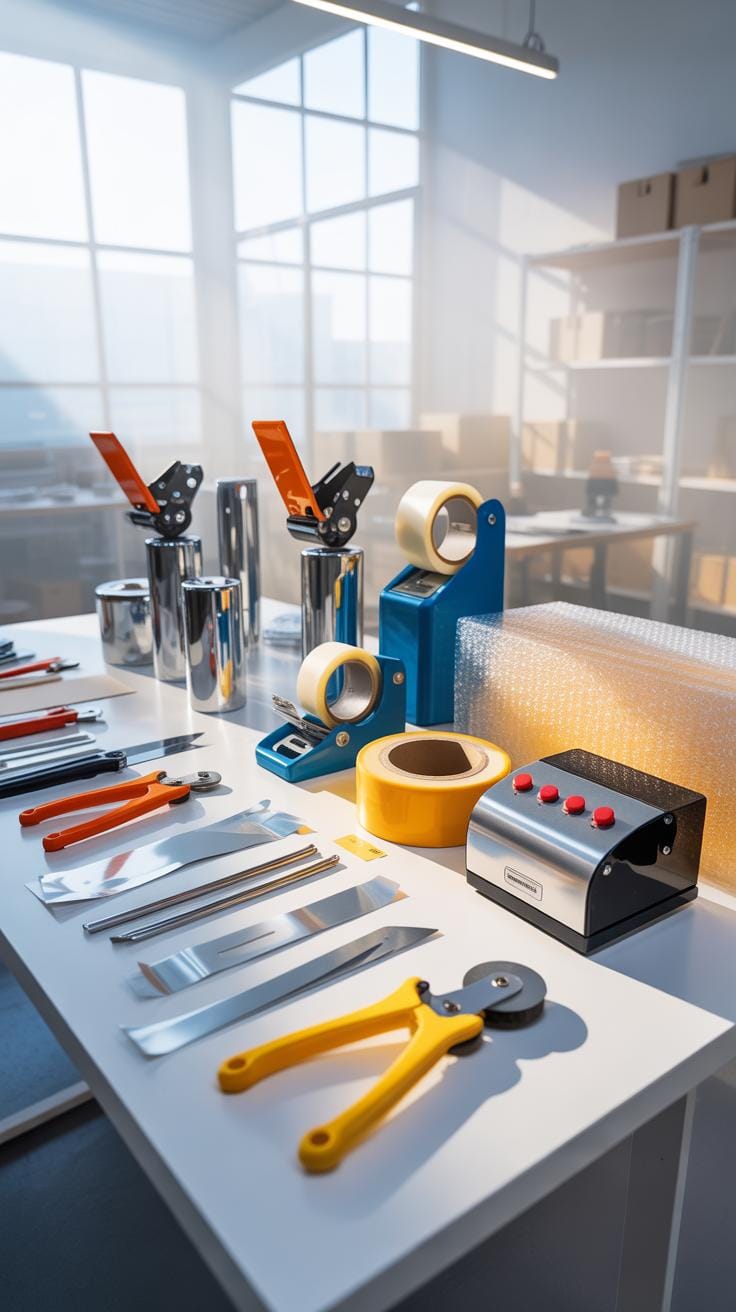

When it comes to packaging electronics, having the right tools can make a big difference in speed and quality. Tape dispensers, for example, save you the hassle of cutting tape by hand and provide a neat, consistent seal. A good box cutter is essential too—not just to open packages but to trim and adjust materials quickly. Label printers might seem like an extra expense, but printing clear, professional labels helps keep things organized and improves the customer experience. Packing machines, while a bigger investment, can speed up the process significantly once your volume picks up.
Working in a small business myself, I found that sometimes the simplest tool makes the biggest difference—a dull box cutter can slow you down more than you’d expect. So, keeping these basic tools in good condition is worth the effort.
Affordable Packaging Tools For Startups
Startups usually face budget constraints, which means you have to be cautious about what you invest in. The good news is, you don’t have to spend a fortune to get basic, reliable packaging equipment. Handheld tape dispensers, basic cutting tools, and compact label printers are available at reasonable prices and don’t compromise much on quality. You might even find second-hand packing machines or refurbished label printers that work just as well for the time being. This approach keeps costs down while allowing you to test what equipment truly makes sense for your operation.
I once bought a label printer that looked too cheap to be true, but it lasted me years, printing thousands of labels without issue. That experience taught me to give these budget-friendly tools a chance before going for more expensive options.
Automating Packaging Tasks
Full automation might seem out of reach for small businesses, but partial automation is quite doable and worth considering. You could start with devices like electronic tape dispensers that cut and apply tape with a button press, cutting down time significantly. Semi-automatic label applicators are another option—they speed up labeling without needing a whole assembly line setup. These tools reduce human error and free up your team to focus on other tasks.

But automation isn’t always straightforward. Sometimes, it introduces more complexity than it solves, especially in the early stages. It’s a balance, really. Start small, see what fits your flow, and scale up gradually if you find it helps rather than hinders.
Customer Experience And Packaging

When you think about buying electronics, the packaging is often the first physical touchpoint with the product. That initial encounter can shape your entire perception of the item. If the box looks cluttered, flimsy, or plain, it might plant a subtle doubt about the quality inside. On the other hand, well-crafted packaging can instantly suggest care and professionalism. There’s a surprising emotional element tied to unboxing. You might not realize it, but that moment can stick in your memory longer than the product’s features sometimes.
Unboxing isn’t just about opening a box. It sets the tone — makes you feel valued or just like another transaction. Think about that excitement when you peel back layers that fit snugly, revealing the gadget, cables, manuals, all neatly arranged. It’s more than aesthetics; it’s an experience that lingers, sparking curiosity and satisfaction.
But can packaging alone keep customers coming back? Possibly. When you feel like a brand understands your preferences down to the packaging, loyalty often follows. It’s not guaranteed, though. Some customers may prioritize price or specs over presentation, but packaging that speaks to the buyer’s sense of care can nudge them toward repeat purchases. It’s like a quiet handshake, an unspoken promise of quality and attention.
Costs And Budget Control

Managing packaging expenses in a small business can be tricky but crucial. You want to keep costs down without sacrificing quality. Budgeting your packaging costs means breaking down every element—from materials to design and shipping. I’ve found that setting a clear, realistic budget early on helps avoid surprises later.
Cost-saving tactics often involve more than just picking cheaper materials. Think about bulk purchasing. Buying packaging supplies in larger quantities can yield discounts and reduce the number of deliveries, which cuts shipping fees. Still, be cautious not to overstock and tie up cash unnecessarily.
Another thing worth considering is waste minimization. Reducing excess packaging not only saves you money on materials but also helps with storage and disposal costs. Choosing recyclable or multi-use packaging options might slightly increase initial costs but can pay off in the long run.
Tracking Packaging Costs Accurately
Tracking your packaging expenses requires attention to detail. You might overlook small but steady costs like packing tape or custom labels, and these can add up. I recommend maintaining an ongoing log or using software to track every packaging-related expense. Keep an eye out for hidden costs such as fees for rush orders or last-minute design changes.
Focus on the actual cost per unit packaged—it gives a clearer picture than just total spend. Matching this against sales volume can highlight inefficiencies and areas where you can tighten your budget. Sometimes, even minor adjustments in packaging size or weight can significantly impact overall costs.
Reducing Packaging Waste Efficiently
When it comes to reducing waste, it’s not only eco-friendly but also practical for your budget. One strategy I’ve seen work is designing packaging that fits products more snugly. Oversized boxes might seem harmless, but they mean extra material and often require more filler.
Reuse is another avenue to explore. Can components like protective inserts or outer boxes be repurposed? Even if you can’t reuse them continually, sourcing materials made from recycled content lowers waste impact.
Lastly, consider partnerships with suppliers who offer take-back programs or specialize in minimal packaging. It might take some effort to find the right fit but could save resources for your business—and the environment.
Small Business Packaging Ideas
Choosing packaging for your small electronics business is not just about looks. It’s about balancing protection with cost and user experience. You want your boxes or envelopes to be strong enough to handle the trip but not so bulky that they hike shipping fees. Sometimes I’ve seen small gadgets wrapped in layers of bubble wrap inside oversized boxes—that’s a quick way to waste money and annoy customers.
Think about materials that offer good protection but don’t add unnecessary weight. For example, recycled cardboard can be surprisingly sturdy and keeps costs down, plus it appeals to customers who prefer eco-friendly options. And then there’s the question of size—cutting down on empty space inside the package helps prevent movement during transit and lowers dimensional weight charges.
Also, consider how your packaging reflects your brand’s personality without going overboard. Simple, clean designs can sometimes attract more attention than loud, complex ones—at least that’s been my impression. Are you including inserts or manuals? Make sure they fit well and don’t crumple or tear easily. It’s those small touches that build trust.
When brainstorming, line up these priorities:
- Choose protective but lightweight materials
- Optimize size to reduce shipping costs
- Ensure ease of opening and reuse potential
- Include clear branding without excess packaging
- Test packages under real shipping conditions before full-scale rollout
Packaging isn’t just wrapping your product; it’s part of the whole experience your customers have with your brand. I wonder sometimes how many businesses overlook this, focusing only on the product inside and missing an easy chance to stand out before customers even open the box.
Measuring Packaging Success

When it comes to assessing how packaging stands up in the real world, it’s not just about looks or materials. You want to know if customers actually like the packaging, if products arrive intact, and what the packaging costs in the long run. Gathering customer feedback can feel a bit tricky, but surveys with targeted questions about the unboxing experience and ease of use can reveal plenty. Reading through online reviews might uncover specific mentions of packaging problems or praise, which you can track over time.
Don’t underestimate the value of actively monitoring damage rates. Keeping a close eye on returns linked to packaging issues helps pinpoint weaknesses—maybe it’s a fragile corner or insufficient padding. Tracking this data consistently allows you to adapt and test changes. Cost impact also matters; sometimes a cheaper box isn’t worth the extra returns it causes. Balancing these aspects means asking yourself: is my packaging really working as it should, or am I settling for just okay?
Conclusions
Choosing the right packaging for your electronics small business can boost your brand image and product safety. Focus on creating packaging that is visually appealing, protective, and aligned with your brand values. Innovation in packaging design attracts attention and differentiates your products from competitors.
Consider sustainability in your packaging choices to reduce environmental impact and appeal to eco-conscious customers. Balancing creativity with cost-effectiveness ensures you do not overspend but still present your product professionally. Apply the ideas discussed here to build packaging that supports your business growth and customer satisfaction.