Introduction
Science classrooms serve as dynamic spaces designed for focused learning and engagement in scientific subjects. One area often overlooked in classroom design is the classroom door. This article presents practical Science Classroom Door Ideas To Enhance Electronics Learning. It explores how door decorations can visually stimulate students and create a thematic introduction to electronics topics taught inside the room.
Decorative classroom doors can support learning by reinforcing key ideas visually and sparking curiosity in students as they enter. The article covers effective design elements, examples of door decorations tailored for electronics, and tips to make your science classroom both inviting and educational from the moment students approach the entrance.
Science Classroom

The science classroom is not just any ordinary room; it’s a dedicated space where curiosity and inquiry meet structure and learning. Especially for electronics lessons, this environment should strike a balance between order and inspiration. Think about it: a classroom cluttered or dull might zap attention rather than fuel it. On the other hand, a bright, purposeful setting can gently prepare students to switch their minds into problem-solving mode.
In these classrooms, the arrangement often goes beyond desks and whiteboards. You find lab stations, electronic kits, maybe even small circuits or models hanging from shelves. This hands-on setup is essential. It turns abstract ideas into something tangible. But the door — yes, the door the students enter through — can be a vital first step in setting that tone.

When young learners see a door decorated with familiar electronics symbols or concepts, it’s almost like a quiet invitation to explore. It hints at what’s inside without needing anyone to announce it. The visuals become cues, gently encouraging students to take an interest and perhaps come in with an open, curious mindset. Especially for younger kids, this can make a noticeable difference in their readiness to learn. The door’s presentation, therefore, has value beyond mere aesthetics; it shapes the educational atmosphere right from the threshold.
Design Elements For Impactful Science Doors
When designing science classroom doors with a focus on electronics education, several elements matter for catching attention and aiding learning. Color schemes need to balance engagement and calmness; bright neon greens and blues can mimic electric excitement but go easy on red, which might overstimulate. Think of a palette that feels a bit techy but not overwhelming.
Try incorporating 3D items like miniature circuit boards or foam-wrapped wires. These tactile components draw curiosity and make the door pop out from flat visuals. Lighting is another tool—LED strips or small spotlights spotlighting symbols help guide eyes and set a futuristic mood. But beware of too much glare or visual noise, which might distract more than attract.
For text, clarity is king. Sans-serif fonts with bold, large letters work best for readability from a distance. Avoid fancy scripts; the goal is immediate comprehension, especially important in a school setting. Simple phrases like “Explore Electronics” or “Power Up Your Mind” invite students in without confusion. Overall, aim for a design that’s inviting, focused, and just a bit hands-on.
Color Choices That Promote Learning

Color can cause subtle but real effects on students’ moods and receptiveness. Cool tones such as blues and greens tend to promote calmness and focus, which helps when dealing with complex electronics concepts. Blue is particularly known for boosting concentration, while green can reduce fatigue—both good for a learning environment.
Pair these cool colors with small accent highlights like yellow or orange to inject energy and prevent the design from becoming dull. Yellow sparks optimism and creativity, which you want in a science room. Still, too much brightness might make some students anxious; moderation is key. What’s interesting is how these color effects aren’t universal—some kids respond differently, which may call for a design a bit flexible or layered in meaning.
Using Visual Symbols And Icons
Symbols bring clarity instantly. Using familiar electronics icons on the door not only identifies the subject but builds early recognition and excitement. Simple circuit diagrams, stylized batteries, or glowing light bulbs work well as motifs. Batteries can symbolize energy, circuits the flow of ideas, and light bulbs creativity or discovery.
You might add little interactive elements, like a movable switch or a light bulb that actually lights up. This hands-on touch invites interaction and draws kids in, breaking down barriers before the class even begins. While it might seem small, the iconography you choose should be recognizable and appropriately scaled so it doesn’t overwhelm but adds meaning. Remember, clarity is often more engaging than complexity here.
Step By Step Door Decoration Process
Gathering Materials And Planning

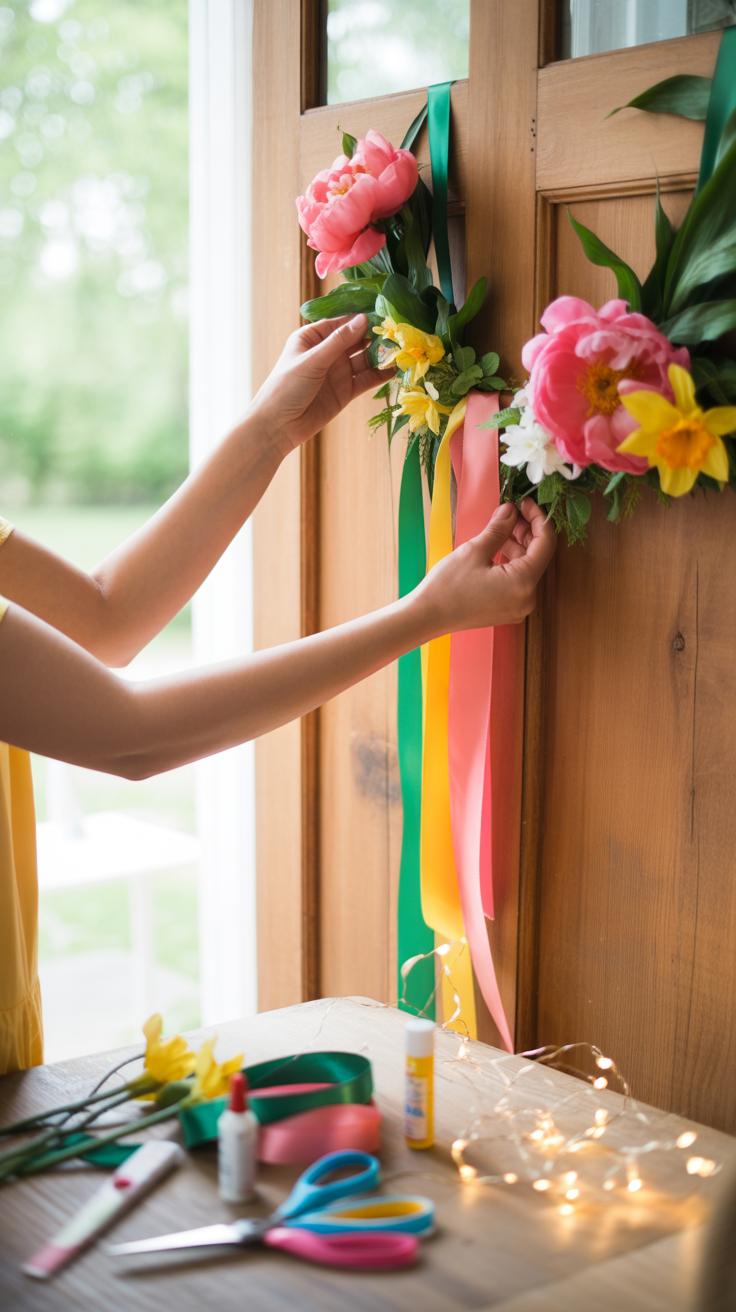
When thinking about decorating your science classroom door for electronics learning, start by choosing materials that are both fitting and manageable. Perhaps consider using recycled paper, cardboard, or fabric to keep things affordable and eco-friendly. It’s practical to plan your design to fit the school environment — overly flashy or delicate materials might not hold up well to daily use.
Sketch out your design before grabbing supplies. Will your theme focus on circuits, famous inventors, or digital technology? Jot down ideas and make a simple list of what you’ll need. Sometimes, asking students for input can spark fresh ideas and make the project feel more engaging. Don’t hesitate to explore resources around the school or community for extra materials that won’t cost much or could be reused from previous projects.
Applying Decorations Safely And Neatly
When applying decorations, think about the door’s function. Avoid covering key parts like the handle or locking mechanisms. Use painter’s tape or removable adhesives to secure items without damaging the door’s surface. Double-sided tape or sticky tack often works well for lightweight decorations.
Place heavier pieces carefully, maybe attach them to lightweight backing before putting them on the door, to spread out the weight. You want decorations that stay put but don’t interfere with opening or closing the door. If you notice edges peeling up, a quick touch-up with extra tape can help.
Once the design is up, take a moment to clean any smudges or fingerprints. It’s surprising how neat your door can look with just a bit of extra care. When it comes time to take down the decorations, having a cleanup plan can save you from a lot of hassle later—store reusable pieces and use gentle cleaning agents to avoid residue buildup.
Examples Of Electronics Theme Science Doors

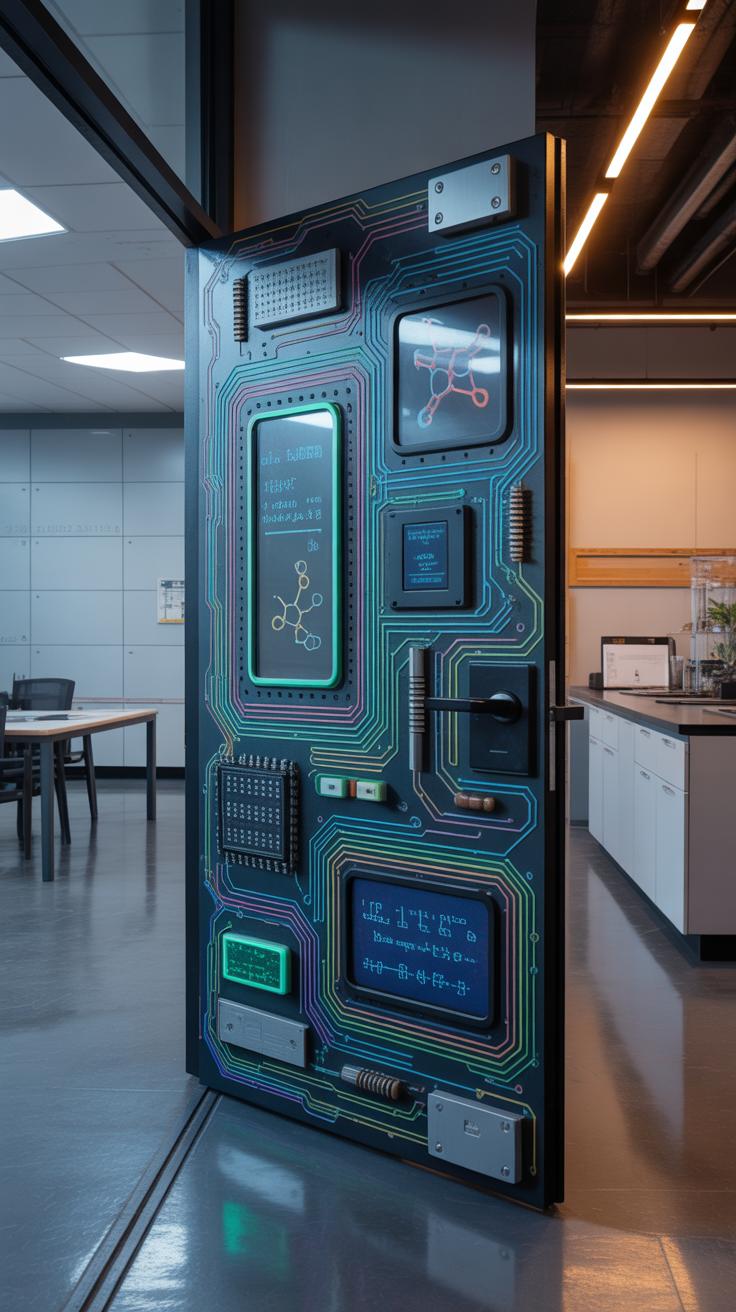
Decorating science classroom doors with electronics themes offers a fresh chance to engage students before they even step inside.
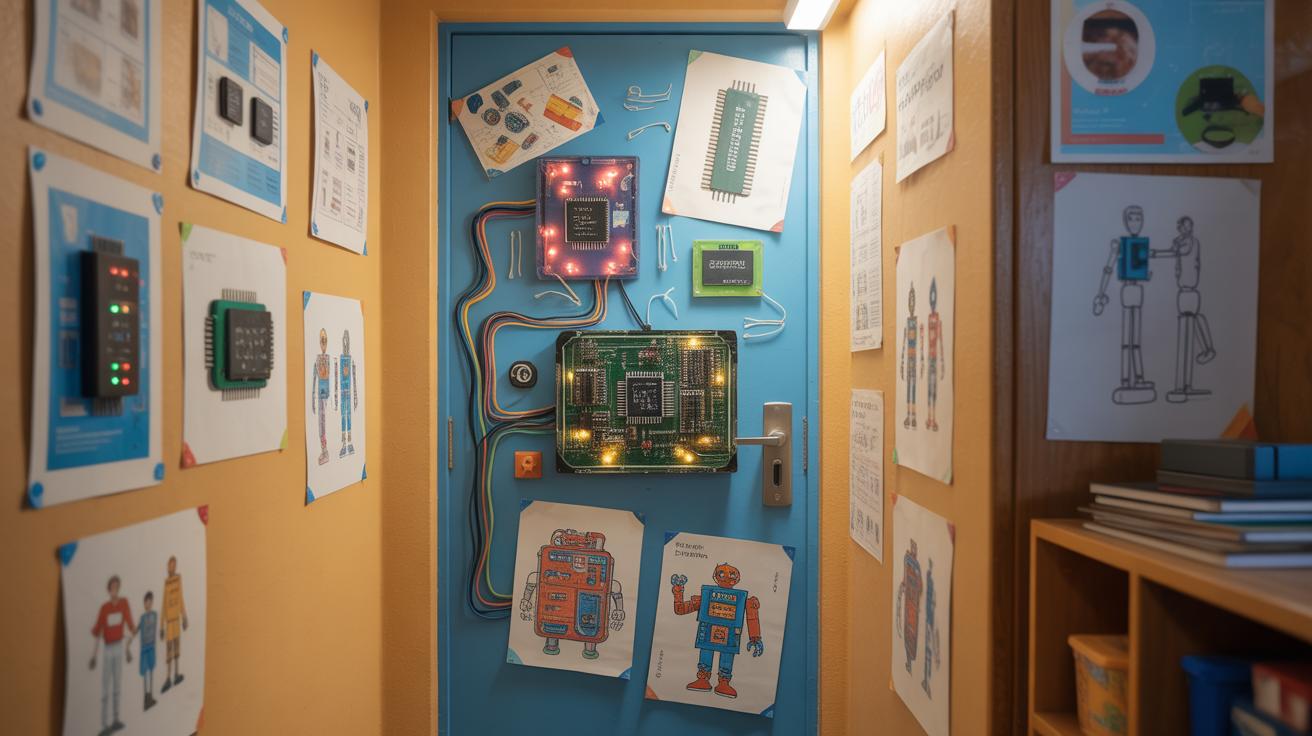
One effective example features a door transformed into a giant circuit board. Using colored tape or paint, intricate pathways mimic copper traces, weaving around cutouts of resistors, capacitors, and microchips. Labels provide brief descriptions of each component’s role. This design works well because it visually breaks down what might otherwise seem complex. Students can get a hands-on sense of how circuits connect and interact.
Another popular idea emphasizes robots and electronic gadgets. Doors adorned with images or 3D models of robots, drones, or smartphones tap into familiar technology. Incorporating interactive elements like buttons or QR codes linking to tech demos greatly boosts curiosity. This theme introduces learners to daily applications of electronics, making the subject more tangible and relevant.
Both these approaches don’t just decorate; they invite exploration and questions, blending creativity with meaningful learning.
Circuit Board Door Design Example

Imagine converting your door into a large-scale printed circuit board, a staple in nearly all electronics. Start with a dark background representing the board’s insulating substrate. Use bright copper-toned tape or paint to create lines tracing pathways where electricity flows.
Next, place cut-out paper or foam shapes for components: rectangles for resistors, small circles for capacitors, and irregular shapes for IC chips. Attach brief notes describing each part’s function directly on the door to offer immediate context.
This design works well because it visually simplifies the complexity of real circuits. Students see connections and components together, which aids understanding of how signals travel and how devices work. Moreover, it sparks curiosity about the tiny worlds inside their gadgets.
Robotics And Gadgets Door Theme
Robots and electronic gadgets symbolize modern electronics learning with tangible, exciting examples. For your door, start with a futuristic, techy background—maybe silver or metallic blue paint or paper.
Add graphics or 3D models of robots, drones, or common gadgets like smartphones and game controllers. You might include detachable parts or use layered paper to create depth. Incorporate small interactive pieces, such as light switches or buttons that simulate robot controls or gadget features.
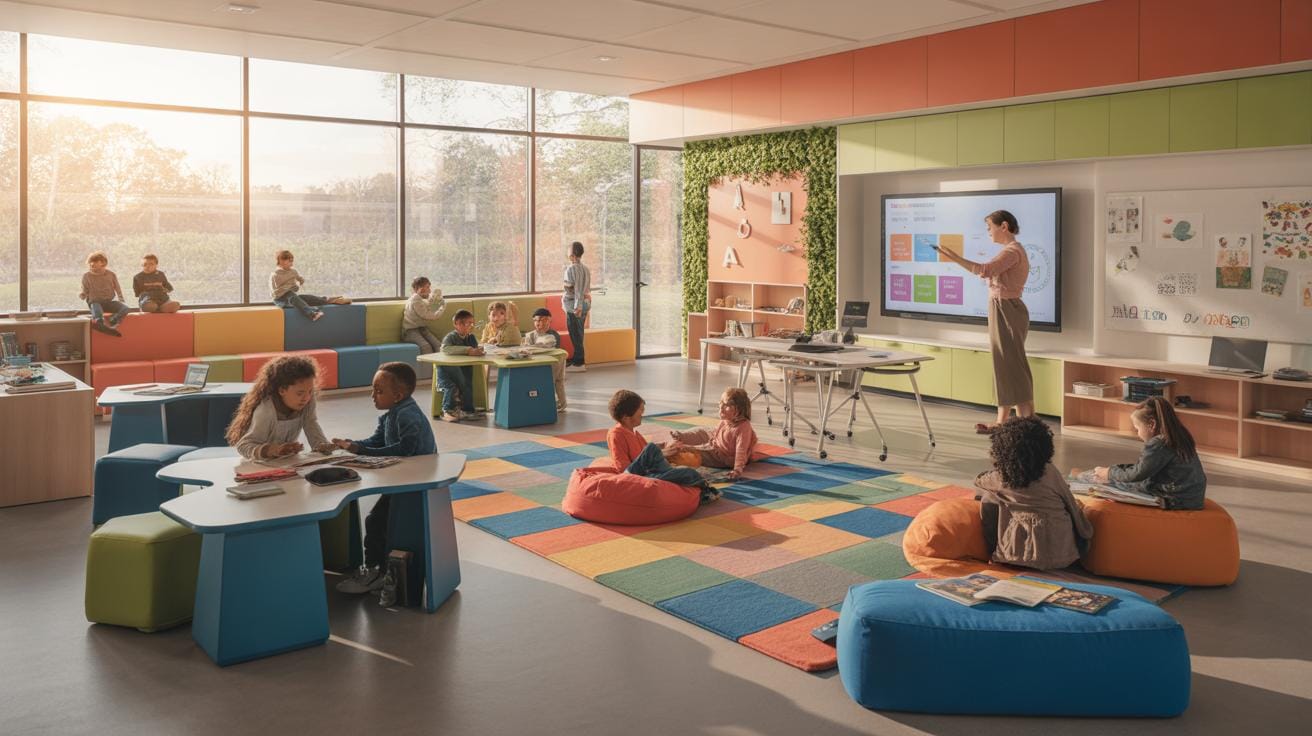
This theme grabs attention because of the relevance—students see the technologies they use daily. It connects classroom content with real-life application, enhancing motivation and engagement. Plus, it encourages questions like, “How does a robot sense its environment?” or “What inside my phone makes it work?”
Decorating your science classroom door with these electronics themes can turn it into an inviting gateway to discovery, stimulating interest right from the hallway. Have you tried any of these? What challenges or successes did you find? Sometimes the best ideas come from a blend of the expected and a touch of improvisation.
Common Mistakes To Avoid In Door Decorations

When decorating your science classroom door for electronics learning, it’s easy to fall into some traps that lessen the impact of your creativity. One common mistake is overcrowding the door with too many elements. You might think more is better, but an overstuffed door can confuse students or distract them from the key messages you want to convey. For example, placing multiple diagrams, text blocks, and flashy objects side by side can make it difficult for anyone to focus. Keep it simple. Choose a few strong visuals or ideas that highlight the lesson’s main points.
Also, be careful with the materials and techniques you choose. Some teachers pick fragile or tricky materials—like delicate paper cutouts or overly elaborate 3D elements—that can easily tear or fall off. This not only looks messy soon after, but it may also be a hassle to fix frequently. A more durable choice, such as laminated images or sturdy foam board, can provide lasting impact without the risk of damage. Plus, simpler methods save time and reduce frustration.

Think about the readability of any text on the door. Small fonts, overly cursive handwriting, or poorly contrasted colors make it hard for students to read from a distance. You want the message to jump out, not fade into the background. So, prioritize clarity. Use bold, legible fonts and color contrasts that make words easy to spot.
In the end, decorating classroom doors should enhance learning, not complicate it. Keeping the design clear, sturdy, and manageable helps your students focus on what truly matters—the sparks of curiosity about electronics waiting behind the door.
Involving Students In Door Decoration

Getting students involved in decorating the classroom door around electronics makes the learning space more personal and inviting. Think about hosting a session where everyone tosses in ideas—the more voices, the better. You could start by asking questions like, “What parts of electronics fascinate you most?” or “Which symbols or gadgets should we show off on the door?” This type of collective brainstorming often sparks enthusiasm and reveals unexpected creative directions.
It’s not just about coming up with ideas either; you can break down the design into manageable chunks. Assigning tasks based on interests creates room for everyone to contribute, whether someone’s good at drawing circuit diagrams or prefers cutting and assembling materials. For instance, a student interested in coding might help design a futuristic robot motif, while another who enjoys handiwork could handle gluing or arranging elements on the door.

There’s a social side to this too. When students take ownership of the door decoration, it often builds a sense of community and pride. It can also subtly reinforce what they’re learning about electronics by having them explain their design choices or features to peers and visitors. The process doesn’t have to be perfect—sometimes a slightly messy collaboration shows the real spirit of teamwork and shared discovery.
Technology Tools To Enhance Door Designs
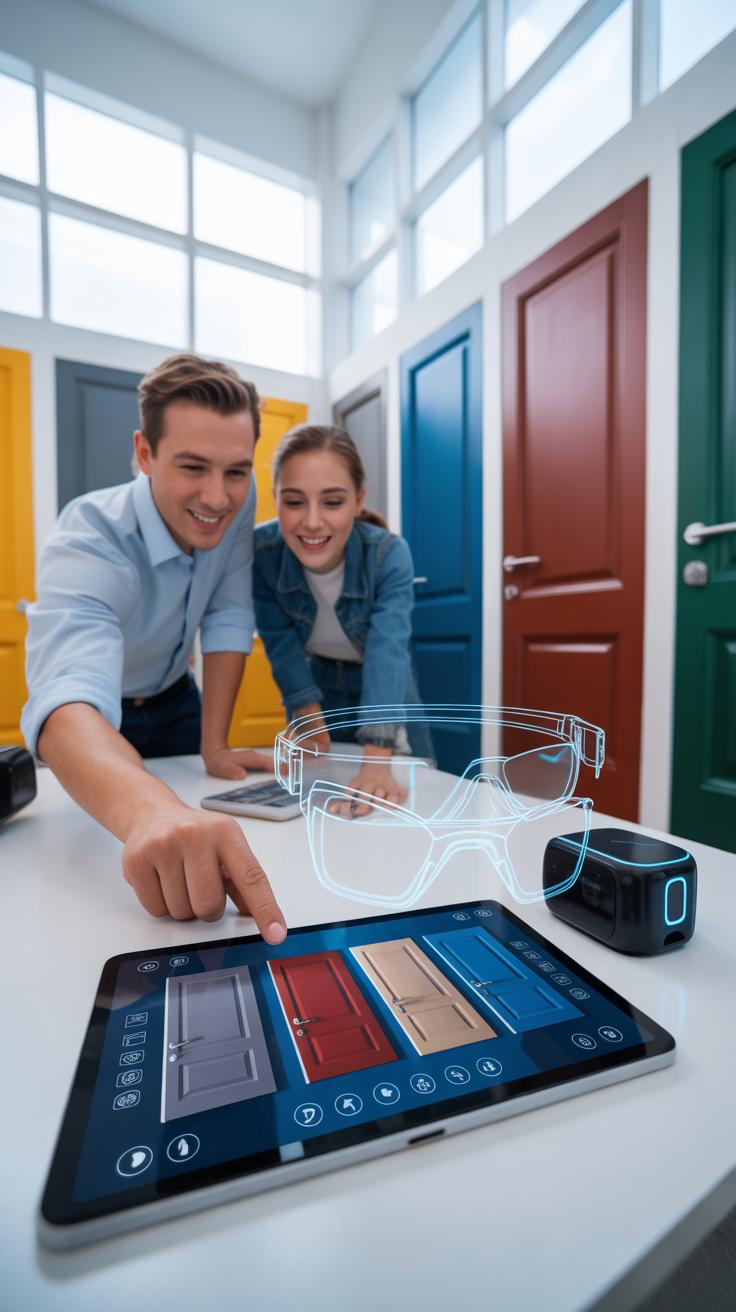
When decorating science classroom doors, technology tools offer fresh ways to support electronics learning right at the entrance. Printable vinyl is one such tool. It lets you print sharp, colorful graphics on flexible sheets that stick smoothly on doors. These vinyl prints don’t easily tear and can wrap around textured surfaces. Using vinyl cuts down on wear and tear compared to paper posters, plus you get a polished look. You might have to experiment a bit with your printer settings or visit a local print shop. But it’s quite handy for making your designs pop with vivid details.
Electronic displays are another option worth considering. Small LCD screens mounted on the door can show changing images or brief videos about circuits or devices. This adds an element of dynamic interaction. Imagine your door flashing a simple circuit animation or powering up a digital clock as part of the decor. It draws attention and connects door art to actual electronics concepts. The downside? Setup can be fiddly and might require some technical know-how.
QR codes mix technology with accessibility. Placed on the door, they link students to supplementary digital content—say, a video tutorial on soldering or an interactive electronics quiz. It turns a static door into a gateway for learning beyond the classroom walls. Scanning a code can be quick and easy, inviting students to explore at their own pace. That said, it does assume everyone has a smartphone, which might not always be true.
So yes, technology tools like printable vinyl, electronic screens, and QR codes not only spruce up classroom doors but also embed layers of learning. Each comes with pros and cons. The key is balancing creativity with practicality to catch eyes and spark curiosity whether the door is locked or open.
Maintaining And Updating Door Decorations

Keeping your science classroom door looking fresh and neat can feel like a small task, but it really adds to the learning environment. When dealing with electronics-themed decorations, it’s a good idea to handle materials carefully. For example, laminated prints of circuit diagrams or components resist damage better than simple paper, so investing time in laminating can save future headaches.
Cleaning paper decorations might seem tricky, but a gentle approach usually works fine. Dry dusting with a soft cloth or using low-intensity handheld vacuums can pick up dust without harming the surface. If you spot smudges on laminated parts, a barely damp cloth works better than sprays or harsh cleaners. Fixing tears with clear tape behind the paper keeps the look intact without spotlighting damage.
Seasonal updates add a nice touch and keep students curious. Switch themes according to electronics topics you’re covering—say, from basic circuits to robotics—to subtly reinforce what’s current in the classroom. Planning a schedule and jotting down school-wide events help you space out the updates and avoid rushing last minute. Sometimes, mixing in student art related to recent lessons spices things up and shares ownership of the space.
Measuring Impact On Electronics Learning

Decorated science classroom doors might seem like small details, but measuring how much they actually support electronics learning is trickier than it looks. One useful approach is to use both qualitative and quantitative methods side by side. For instance, simply asking students about their interest after seeing the door can reveal how drawn they feel to the subject. But it’s not only about enthusiasm—notice if students reference concepts or images from the door during lessons or questions. Sometimes these thematic decorations can spark curiosity in ways that don’t show up immediately in test scores or homework.
Another way to gauge impact is by observing behavioral changes. You might see students lingering longer at the door, discussing the decorations, or using them as a springboard for projects or presentations. If engagement seems sustained over weeks, that’s a good sign the door’s supporting learning goals.
Teachers can track engagement with tools like quick classroom polls, journals, or simple observation checklists noting attention levels during related lessons. Keeping it simple helps you capture patterns without overwhelming your schedule. Does the decorated door help students focus or spark questions more often? That’s the kind of insight that matters most here.
Conclusions
Science classroom doors hold untapped potential to boost student interest and readiness for electronics lessons. Thoughtful door decorations can convey important concepts and create a positive learning atmosphere. Simple design techniques and thematic choices enable teachers to reinforce subject matter outside regular lesson time.
By implementing the door decoration ideas discussed, educators can transform classroom entrances into engaging learning gateways. This can support continued curiosity, motivate students, and complement instructional efforts in the science classroom environment, ultimately improving learning outcomes.