
Introduction
Interactive Art Installation Techniques For Digital Marketing Impact focus on using art that reacts to people’s actions to boost marketing results. Interactive art helps brands create memorable experiences. These experiences encourage customers to stay longer and interact more, building stronger connections.
This article covers what interactive art is, why it matters in digital marketing, and how to use it. You will learn practical steps to set up your own interactive art marketing campaign. Real examples and tips will guide you to make your marketing stand out.
What Interactive Art Is
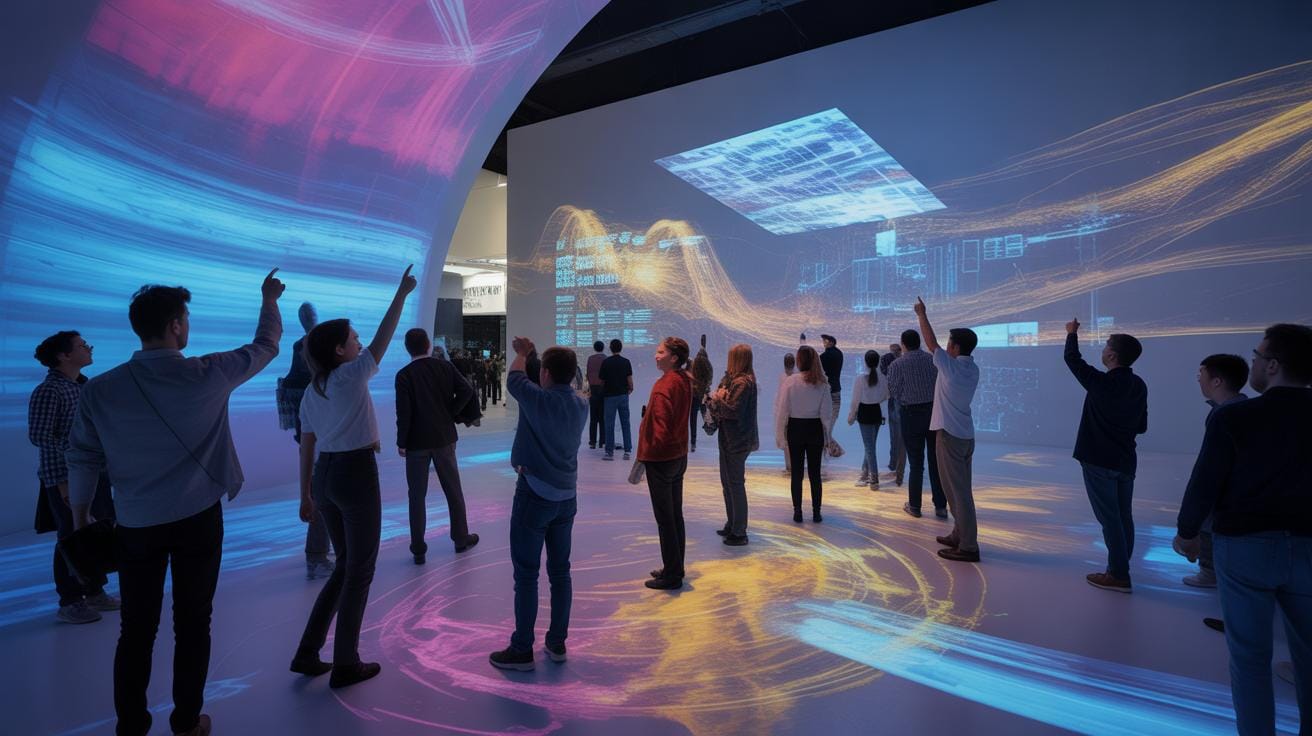
Interactive art is, quite simply, art that involves you as an active participant. It’s not just something to look at; it’s something you engage with—sometimes physically, sometimes digitally. You might walk through it, touch it, or interact using sensors and computer interfaces embedded in the installation. These sensors could detect your movement, heat, or even something as subtle as your proximity, triggering changes in sounds, visuals, or even the entire environment surrounding you.
Think of a digital piece that morphs as you move your hand or a projection mapping that shifts when you step forward. The art depends on your input to come alive—it’s not fixed or static.
How Interaction Shapes Art
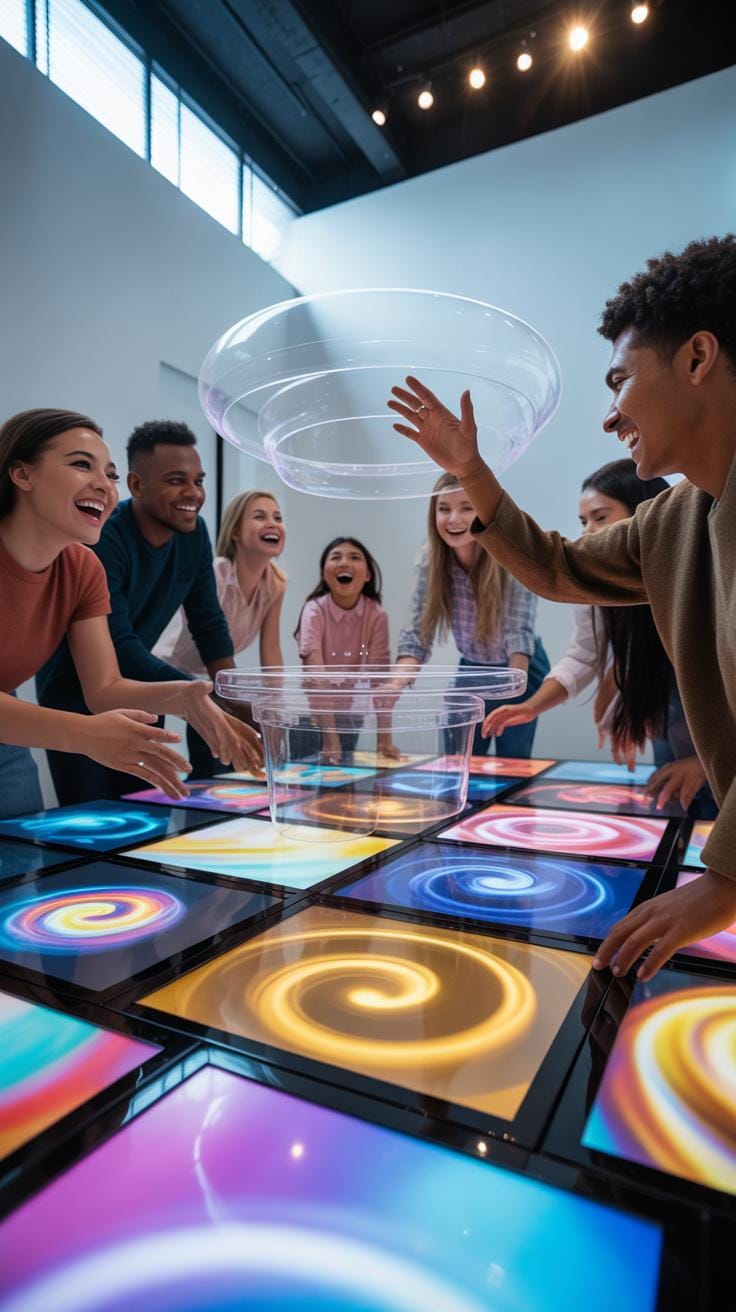

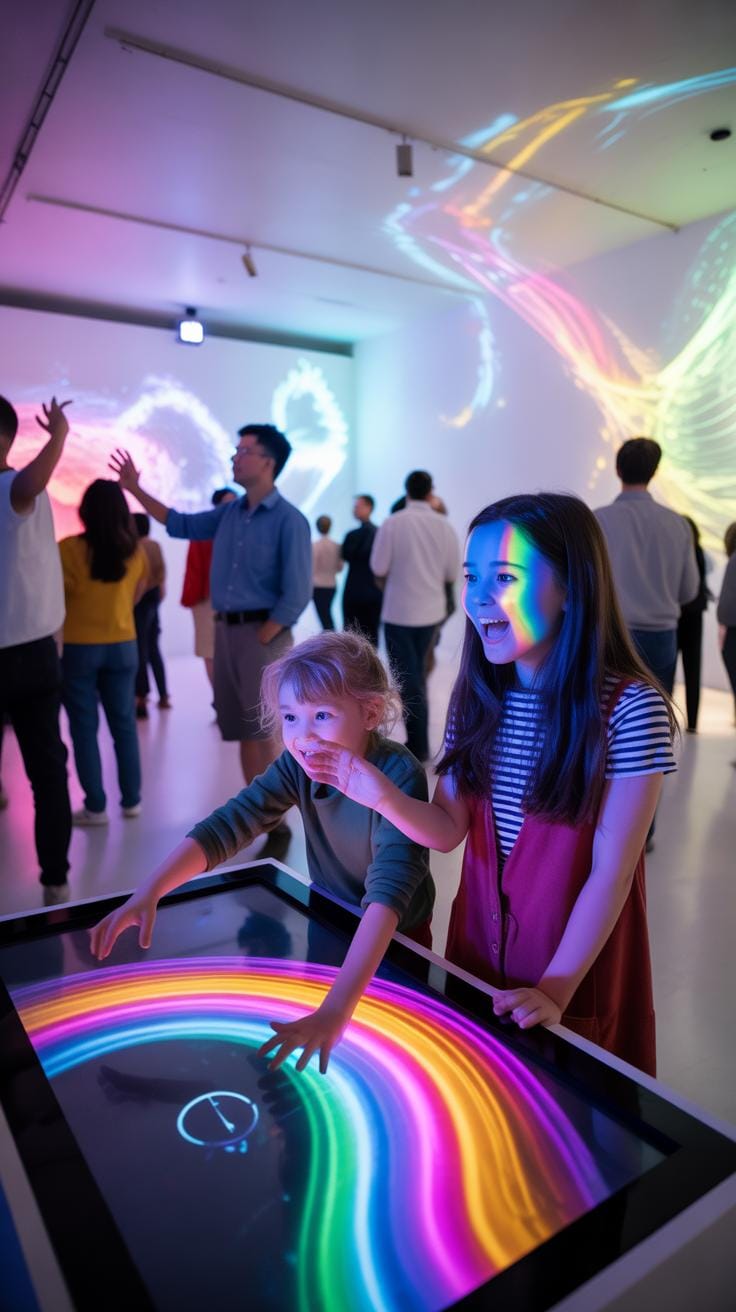
Your role isn’t passive. Each gesture or movement can alter the artwork’s form, color, or even narrative. This means every interaction is unique, crafting a personal experience that differs from one visitor to the next. The artwork becomes a sort of dialogue, not just between you and the piece, but between your actions and the technology responding.
That’s why no two people will necessarily see the same outcome. Maybe your slightest motion causes a splash of unexpected color or sound, or perhaps ignoring the work results in a different effect altogether. This unpredictability shapes the art in real time.
Early Cases Of Interactive Art
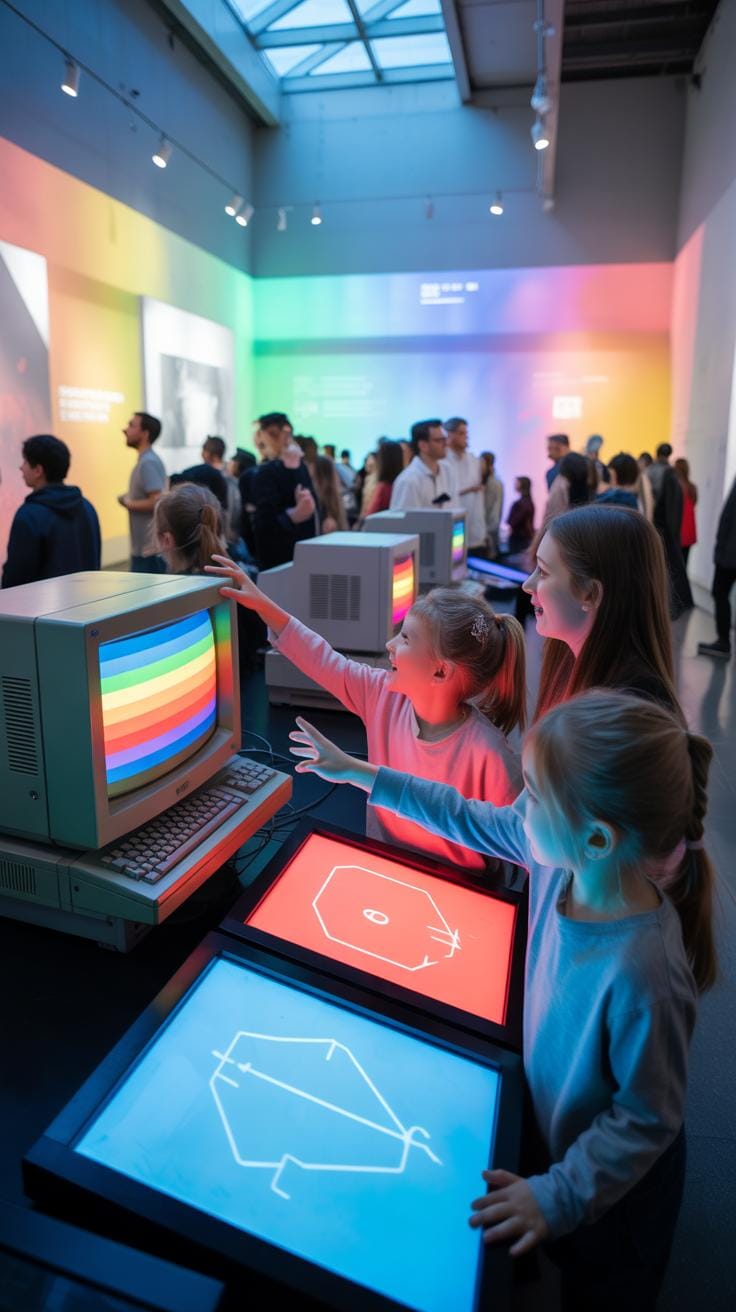
Interactive art is not exactly new. It dates back further than one might suspect, with some early instances appearing as early as the 1920s. However, its roots likely reach into ancient times, though those weren’t digital. More formal recordings show the concept evolving through the 20th century, gradually incorporating technology as it advanced.
By the late 1990s, digital interactive art really began finding its footing—museums started showcasing works that merged technology and viewer participation. Over the years, it expanded from simple mechanical pieces to complex virtual environments and large urban installations, fueled by advances in sensors and computer interfaces. The evolution continues, showing how interactive art adapts alongside technology and culture.
Why Interactive Art Matters For Marketing
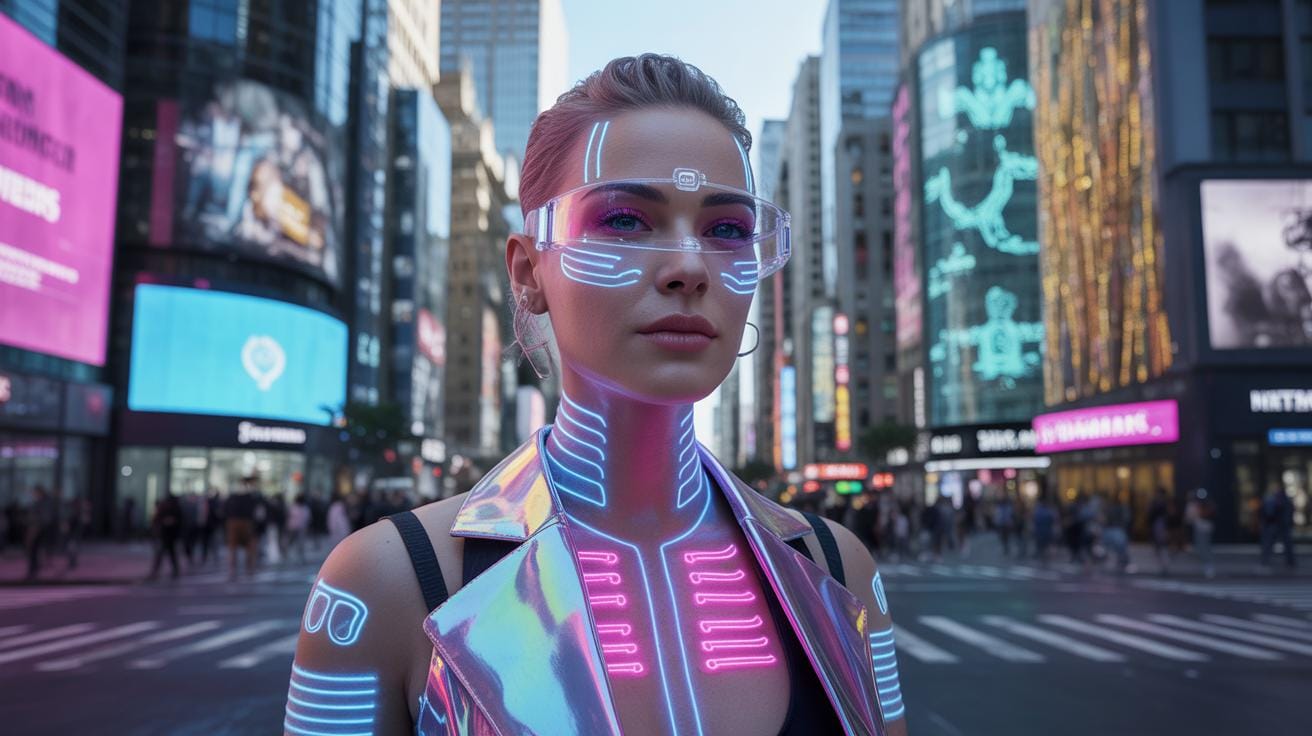
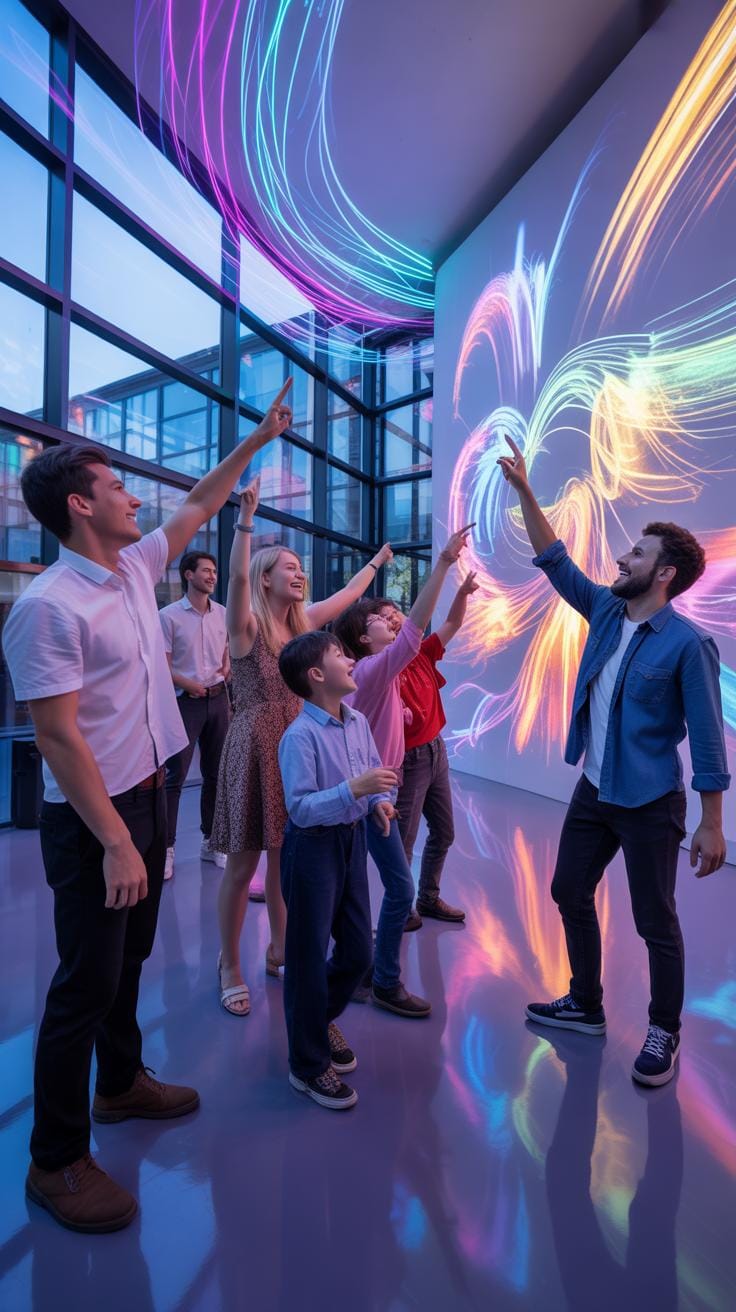
Interactive art grabs your attention in a way that’s hard to ignore. People don’t just see it—they experience it. When viewers can touch, move, or influence an artwork, they stop being passive observers and become active participants. That shift makes the whole interaction feel more personal. This personal involvement often means people stick around longer, giving your marketing more time to make an impression.
You might notice that interactive art encourages more sharing too. When someone interacts with a piece, they’re often eager to show others what they did or discovered. This naturally amplifies your reach beyond traditional ads. It invites curiosity and a bit of fun, which rarely happens with static visuals.
There’s something about interactivity that forms emotional bonds. When you participate in creating or influencing art, you connect on a deeper level—not just intellectually but emotionally. These connections, even subtle ones, create a sense of trust and loyalty toward the brand behind the experience.
Think about times you’ve tried interactive displays in stores or events. Did you feel a stronger pull toward the product afterward? That’s the kind of engagement marketers aim for—turning fleeting curiosity into lasting interest. Sure, the effects might not always be immediate or obvious, but they tend to build over time.

What’s interesting is how these interactive moments can remind us that marketing isn’t just about selling. Sometimes, it’s about creating a moment that feels a little unusual, maybe even a bit playful, and that’s what keeps people coming back.
How To Plan Your Installation

Setting Clear Objectives
First off, you need to know what you want your interactive art installation to achieve. Without clear marketing goals, the whole project risks becoming unfocused. Are you trying to build brand awareness, boost engagement, or maybe collect customer data? Defining this upfront guides every choice you make next, from design to technology. It might sound obvious, but sometimes people jump into the fun part without this clarity, and then wonder why the impact feels weak. So, try to be precise — what specific reaction or result do you want your audience to have? This clarity saves time and prevents messy iterations later.
Selecting Suitable Themes
Choosing the theme can feel a bit tricky because it has to resonate with your target audience without feeling forced. Think about what your audience cares about or how they see your brand in their own lives. For example, if you’re marketing an eco-friendly product, a nature-inspired or sustainability theme might connect better than flashy tech visuals — but then again, it depends on your audience’s vibe. Themes should spark curiosity and invite interaction, but they also need to reflect your brand personality authentically. Sometimes, a simple theme with a clear story works better than a complicated concept that confuses people. What stories or values related to your brand can you share that people might relate to, even in unexpected ways?
Choosing Technology For Interaction
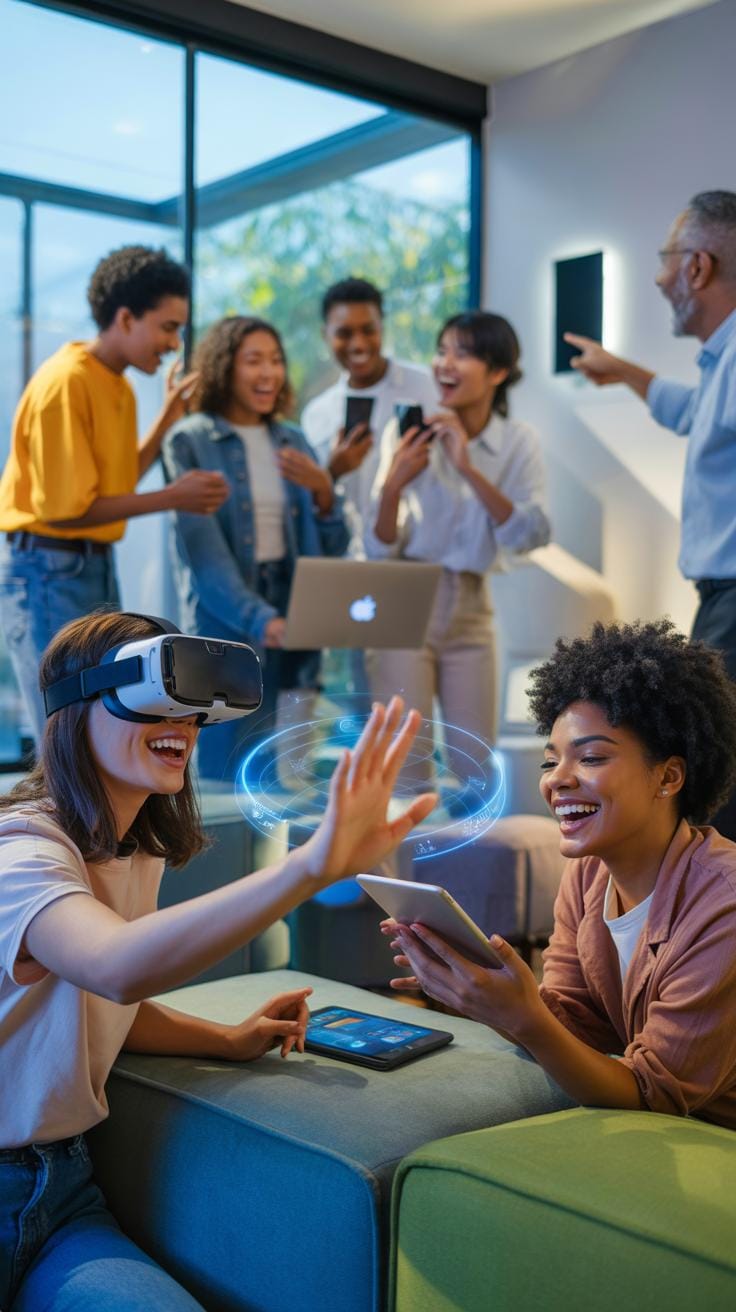

When selecting technology for your interactive art piece, it’s crucial to balance your budget with marketing goals. Sensors, projection mapping, and virtual reality are common tech options—each offering distinct experiences. Sensors detect physical input like motion or heat, creating responsive environments. Projection mapping transforms surfaces into dynamic canvases, bringing static spaces to life. Virtual reality plunges users into immersive worlds, providing deep engagement but often at a higher cost.
Picking the right technology also depends on the audience and location. For example, a pop-up event might benefit from motion sensors that trigger visuals with foot traffic, keeping costs moderate. On the other hand, offline trade shows might justify investment in VR setups if the goal is to stand out with cutting-edge engagement. Sometimes, mixing tech can work too, but complexity and upkeep rise quickly.
Think about scale and maintenance as well. Low-budget projects excel with proximity sensors and simple projections; bigger budgets can explore mixed reality for lasting impressions. So, ask yourself: What’s your key message, who’s your audience, and how will they interact? These answers should steer your tech choices more than anything else.
Sensor Types And Uses
Several sensor types frequently appear in interactive marketing art installations:
- Motion sensors: Detect movement to trigger animation or sound. Imagine a museum exhibit that lights up as visitors approach.
- Heat sensors: Pick up body heat, useful for personalized responses, like changing colors near users.
- Proximity sensors: Sense closeness without direct contact, common in retail for interactive product displays.
- Touch sensors: Respond to physical taps or swipes, good for digital kiosks or public interfaces.
These sensors often create real-time feedback loops, pulling people deeper into the experience. For instance, a storefront might use motion sensors to start a video as shoppers pass, subtly drawing attention without overwhelming them.
Digital Tools For Engagement
Beyond hardware, software plays a vital role in building immersive art experiences. Platforms like Unity or Unreal Engine help designers craft interactive visuals and narratives. Hardware like Arduino or Raspberry Pi boards integrate sensors smoothly, providing custom control.

Don’t overlook content management and analytics tools, which track engagement and optimize performance over time. They can show which parts of your installation attract the most interaction, guiding future marketing tweaks.
In the end, blending the right sensors with fitting software can turn a simple display into a memorable encounter. Just imagine if your campaign could adapt in real-time to its audience’s behavior—that’s the kind of impact interactive art technology aims to create.
Setting Up Interactive Installations
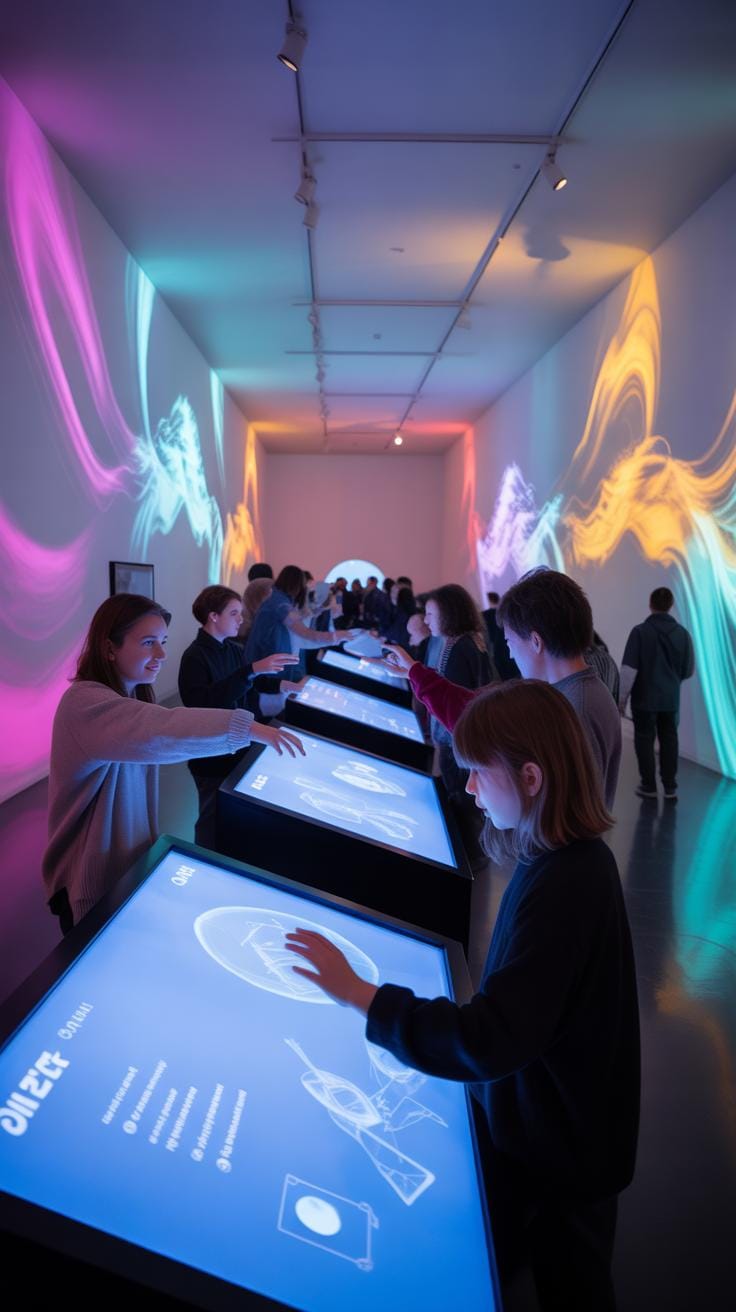
Checklist for Installation Setup
When setting up an interactive art installation, consider these steps to avoid last-minute issues:
- Location Selection: Choose spots with strong foot traffic but enough space for comfortable engagement. Watch for competing distractions nearby.
- Equipment Testing: Before launch, test all devices for responsiveness and connectivity. Check sensors, touchscreens, or projectors for delays or glitches.
- Staff Training: Train team members fully about the technology and visitor interactions. They should fix minor issues and guide participants smoothly.
Even with planning, expect some unexpected hiccups once visitors arrive—being prepared is half the battle.
Site Preparation Tips

Preparing the physical space can drastically impact visitor experience. Think beyond just placing equipment:
- Clear clutter and ensure good lighting to attract attention to artwork.
- Create intuitive pathways to encourage movement and exploration.
- Use barriers or floor markings subtly to guide visitor flow without feeling confined.
Remember, how visitors physically interact often affects their emotional engagement. Sometimes, less obvious details, like seating nearby or shade, matter more than you expect.
Testing and Troubleshooting
Rigorous pre-launch tests are crucial. Try the installation under various conditions: different light levels, multiple users, and extended operation time.
- Run diagnostics on hardware and software daily leading up to the opening.
- Simulate typical user interactions to catch awkward responses or crashes.
- Develop quick fixes for common issues, such as resetting devices or recalibrating sensors overnight.
Despite best efforts, some problems will arise only with real visitors. Encourage staff to document these and adapt solutions quickly. Flexibility here can make or break visitor satisfaction.
Measuring Marketing Impact
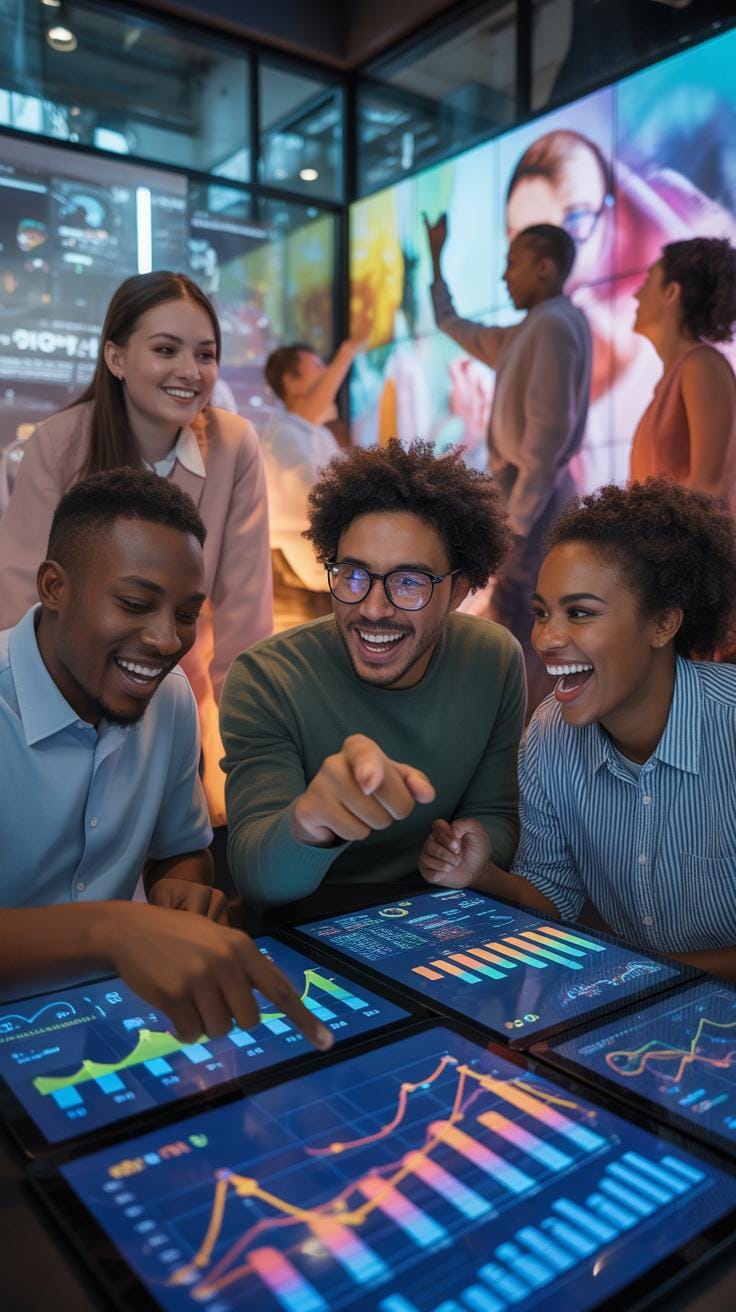
When you’re gauging how well interactive art performs in digital marketing, some numbers really do matter. Visitor numbers are a direct way to see reach — how many people experience your art. But just counting heads isn’t enough, right? Engagement time is telling; if visitors stick around longer, it suggests deeper connection or curiosity sparked by the piece.

Social media mentions give clues about buzz. They show if people talk, share, or even debate your installation online. It’s not just about volume, but the quality of interaction too.
Visitor Interaction Tracking
Tracking how visitors interact often means using sensors or digital logs. Touchscreens, motion sensors, or mobile app engagement let you record actions like touches, movements, or menu navigation. Sometimes subtle data like areas within the installation where visitors linger longest can be insightful. It’s a bit like reading body language without being intrusive.
Some installations even invite visitors to create, annotate, or contribute digitally, offering richer data streams. The challenge is balancing data capture with preserving the free-flowing experience.
Social Impact Metrics
Online buzz is tricky. It’s measured by shares, hashtags, mentions, and comments across platforms. Tracking hashtags related to the art or brand helps gather scattered conversations. Monitoring sentiment in comments can hint at emotional reactions—are people amused, puzzled, inspired?
Even small spikes in sharing can indicate the piece hit a nerve. These social signals often reflect broader reach beyond physical visitors and can sometimes turn an installation into a viral sensation. But be cautious: measuring impact isn’t always straightforward and numbers don’t capture the whole story.
Common Issues And Solutions

Technical Failures
Interactive art relies heavily on technology, which can sometimes feel like a double-edged sword. Common glitches include sensor malfunctions, software crashes, and connectivity hiccups. These issues can disrupt the experience, leaving audiences frustrated rather than engaged.
To reduce these occurrences, regular maintenance checks are essential. Testing all hardware before public use can catch many failures early. Also, using high-quality sensors and software that’s known for stability helps. It’s a good idea to have backup equipment ready and a quick troubleshooting guide at hand. Sometimes, you’ll find even the best systems act unpredictably when many people interact simultaneously, so stress testing under realistic conditions matters.
Audience Disconnect
Another tricky problem is keeping your installation accessible and appealing to all sorts of people. Interactive art can sometimes alienate those unfamiliar with technology or those with disabilities. If your work is too complex or not intuitive, it risks losing interest quickly.
Consider simple instructions—maybe visual guides or an initial demonstration. Ensure your setup accommodates different physical abilities; adjustable heights or alternative input methods can make a difference. And don’t forget language barriers—clear, universal symbols or multiple language options help too. You want people to feel invited, not confused or excluded.
Engaging diverse audiences also means understanding what resonates with them. Sometimes, a direct emotional connection works better than flashy tech alone. It’s a balancing act, but when done well, it turns casual observers into active participants.
Cost Breakdown For Art Installations

Materials And Hardware Costs
When planning interactive art installations, materials and hardware form a significant chunk of the budget. Common costs include sensors that respond to motion or heat, computers to process interaction, and displays or projectors to present visuals. Sometimes, you might need custom-built enclosures or structural supports that add complexity. If your piece uses specialized tech—like virtual reality or sophisticated touchscreens—expect prices to climb quickly. Don’t forget cabling, power supplies, and network equipment; they’re often overlooked but essential.
Operational Expenses
Installation itself takes more than just placing components. Skilled technicians might be required to calibrate sensors or configure software for smooth functioning. Staffing is another ongoing expense, especially if you want facilitators to engage the audience or troubleshoot issues. Routine maintenance ensures hardware stays responsive and that wear-and-tear doesn’t degrade the experience. Depending on your location, permitting and site preparation might push costs even higher. Careful budgeting for these operational angles helps avoid unpleasant surprises later.
One tip is to allocate extra funds for unexpected technical hiccups or upgrades during the exhibit period. Also, considering modular designs may reduce future expenses if you plan multiple installations or tours. Have you considered how a simple sensor swap or software update might impact long-term costs? These details often go underestimated but can sway your overall investment considerably.
Marketing Success Case Examples
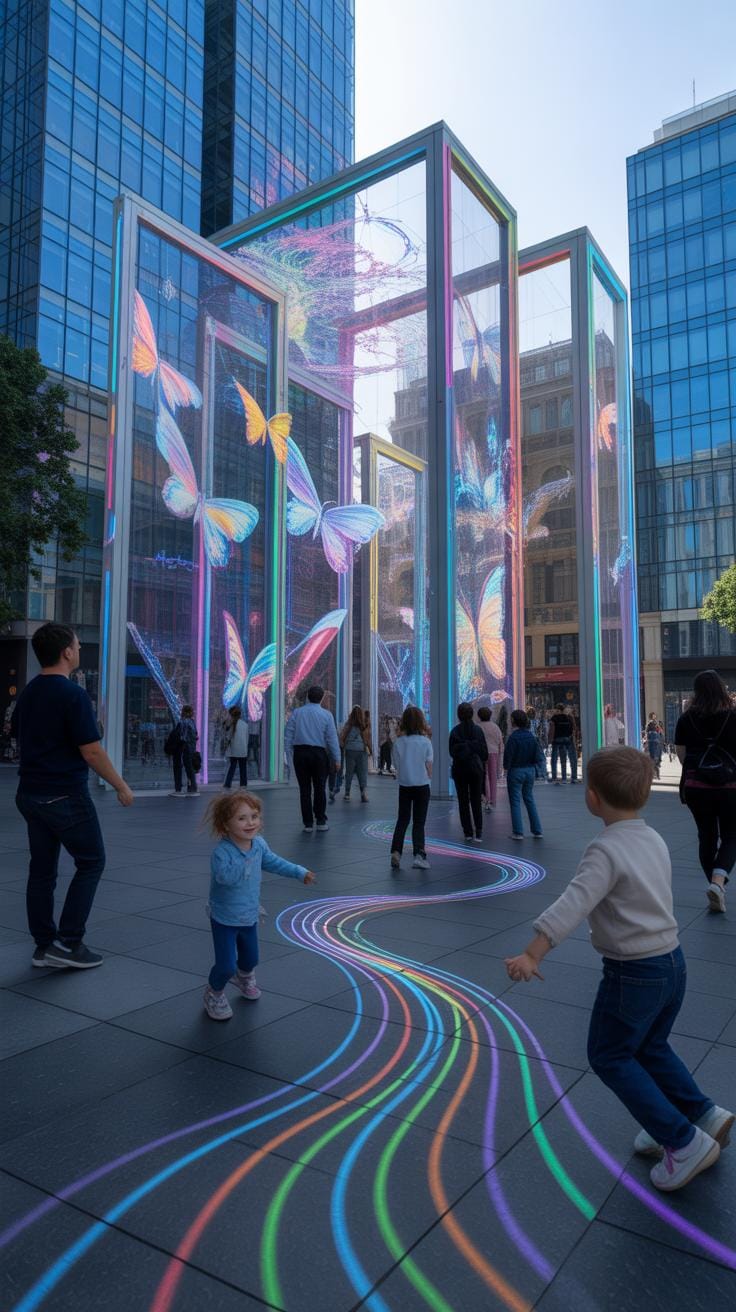
Interactive art installations have had intriguing effects on marketing outcomes, sometimes in surprising ways. Take, for example, a large tech company that used a motion-responsive digital wall. Passersby could manipulate colorful shapes simply by moving their hands in front of the sensors, creating a playful scene connected to the brand’s theme of innovation. It drew large crowds, sure, but more importantly, dwell time increased significantly—people stuck around, talked about it, and shared their experiences on social media.
There was also a beverage brand that designed an installation where visitors personalized virtual drinks through touchscreens integrated into a vibrant, animated mural. Not only did the art capture attention visually, but it also allowed users a tangible connection with the product, which translated into a notable bump in trial rates at events following the installation tours.
What stands out here is the willingness of these brands to experiment with interaction beyond static displays. They created spaces that invited participation, turning curious onlookers into involved participants—this shift is where digital marketing finds a fresh, engaging edge.
Brand Engagement Cases
Some brands have really harnessed interactive art to weave deeper connections with their customers. Consider a fashion label that created a digital dressing room with immersive mirrors. Users could try on clothes digitally and see themselves in different styles instantly. It wasn’t just fun; it made the browsing process easier and more personal.
Another example comes from a car manufacturer that set up augmented reality displays at auto shows. Prospective buyers could virtually customize car features and see how their choices looked in a life-size projection. This kind of hands-on interaction made potential customers more invested in the product, demonstrating an elevated engagement level.
You realize these aren’t just gimmicks. They leverage technology to build memorable, direct interactions that feel relevant and novel—likely explaining why those brands report higher engagement metrics after deploying such installations.
Sales Impact Examples
Sometimes, the impact goes straight to the bottom line. One retail chain implemented a digital graffiti wall where customers could create their own art pieces related to the store’s latest collection. Those who participated got discount codes redeemable immediately. The immediate call to action embedded in the experience nudged visitors from casual interest to purchase behavior, with some locations reporting up to a 20% sales rise during the campaign.
Another case involved a cosmetics company using an interactive light installation that responded to customer touch, revealing product info and tutorials. This direct, engaging approach facilitated on-the-spot purchases and helped gather leads through email sign-ups embedded in the setup itself.
These examples hint at a practical benefit of interactive art—it can break down barriers between discovery and purchasing, making the marketing effort not just memorable but also measurably effective.
Conclusions
Interactive art installations change how marketers connect with audiences. Using technology that responds to viewers’ actions makes marketing more engaging and personal. This leads to better customer attention and brand recall.
To use interactive art effectively, understand your audience and choose the right technology. Test and measure results to improve. Interactive art is a useful tool that can add real value to your digital marketing.