Introduction
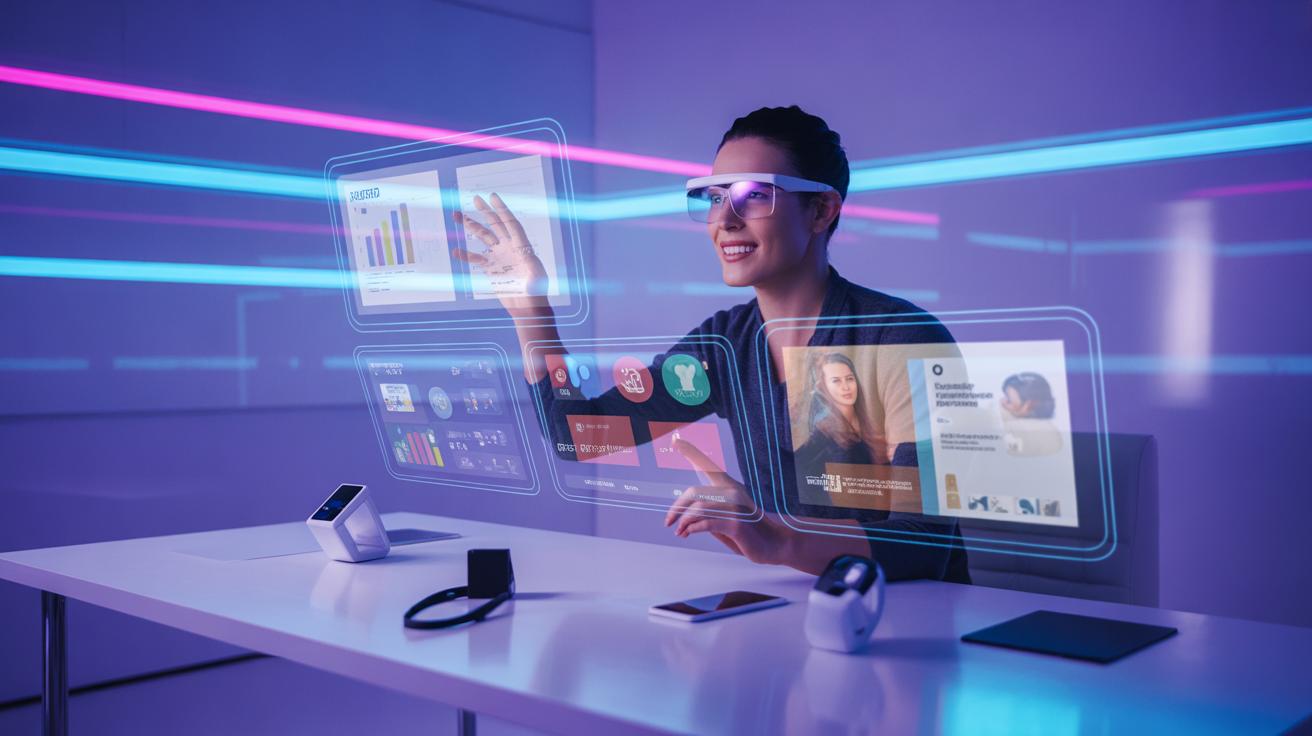
Future tech trends are rapidly changing how electronics function and how digital marketing reaches consumers. In electronics, the move to smaller, faster, and more efficient devices continues to rewrite the rules for product capabilities and user experiences. These changes affect everyday items like smartphones and smart appliances, reshaping expectations.
Digital marketing leverages these electronics advancements to connect brands with users through new channels and techniques. Understanding these trends helps you better prepare for opportunities and challenges in both fields. The article covers key tech developments, marketing adaptations, and practical insights for the near future.
Identify Electronics Future Trends

Electronics are quietly shifting in ways that might surprise you. Miniaturization, for one, keeps pushing limits. Chips are getting smaller but packing more power, allowing devices to be lighter and less bulky. Think about wearables that feel almost invisible or smartphones that bend and fold—these designs wouldn’t be possible without this trend.
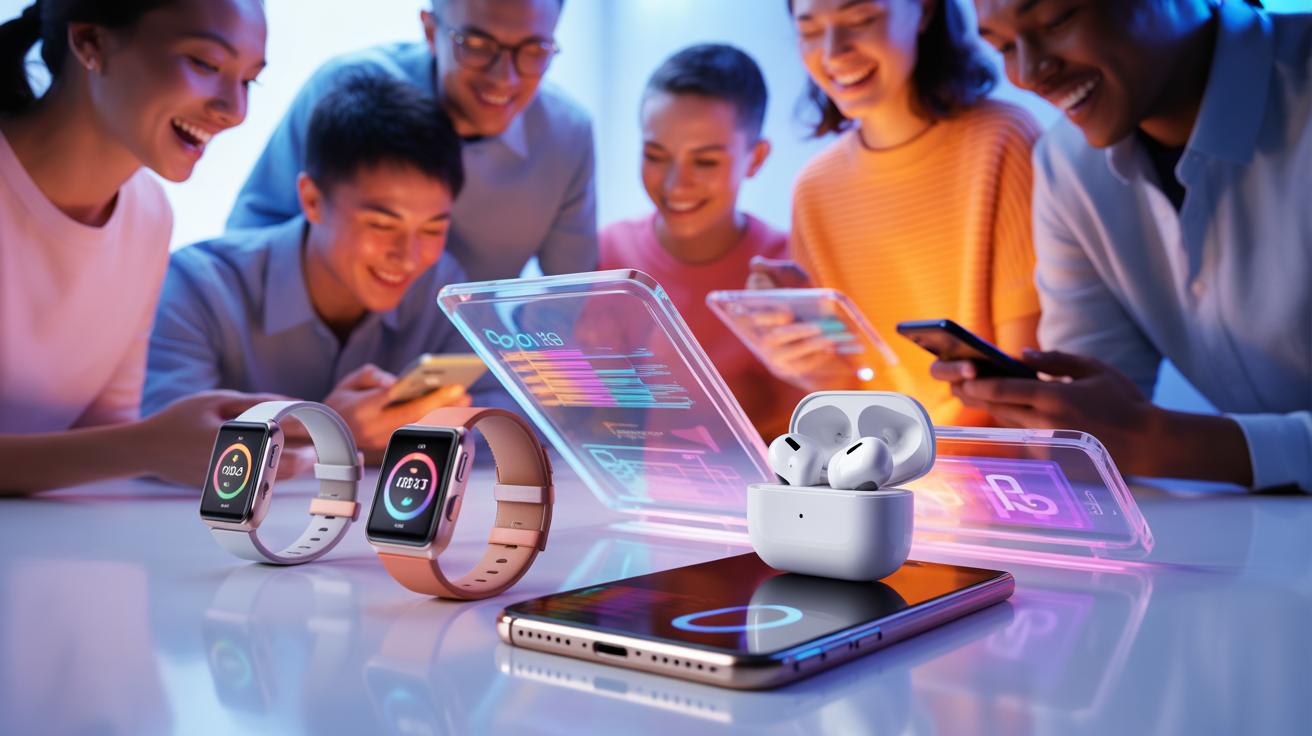
AI chips are another step forward. These specialized processors bring smarter tasks directly into devices instead of relying on cloud computing. It affects everything, from quicker image recognition in cameras to more responsive voice assistants. You might not notice the difference at first, but it changes how smoothly and fast your gadgets work.
Energy improvements are quietly creeping in, too. New materials and designs extend battery life or reduce power use, which, on a personal level, means fewer frustrating charges or overheating issues.
And then there’s the Internet of Things (IoT), expanding beyond just smart homes. Businesses adopt IoT systems to monitor and improve operations in real-time. For consumers, interconnected devices offer a blend of convenience and control you might take for granted—like your thermostat adjusting itself based on patterns it’s learned without your direct input.
Take smart refrigerators, for example, that track food or wearables that monitor health metrics continuously. These technologies are altering how we interact with electronics—not just tools but active participants in daily life.
Miniaturization And Integration Effects
Smaller electronic components turn bulky gadgets into sleek devices. When chips shrink and combine functions on a single piece of silicon—as seen with system-on-chip (SoC) technology—the gains are more than just size. You get faster communication between parts, lower power consumption, and reduced material costs.
This shift means devices can be thinner, use less energy, and run cooler. Imagine laptops or tablets becoming more portable without sacrificing performance, or hearing aids that last days on a single charge. That’s not sci-fi, it’s happening now because of these tiny integrated components.
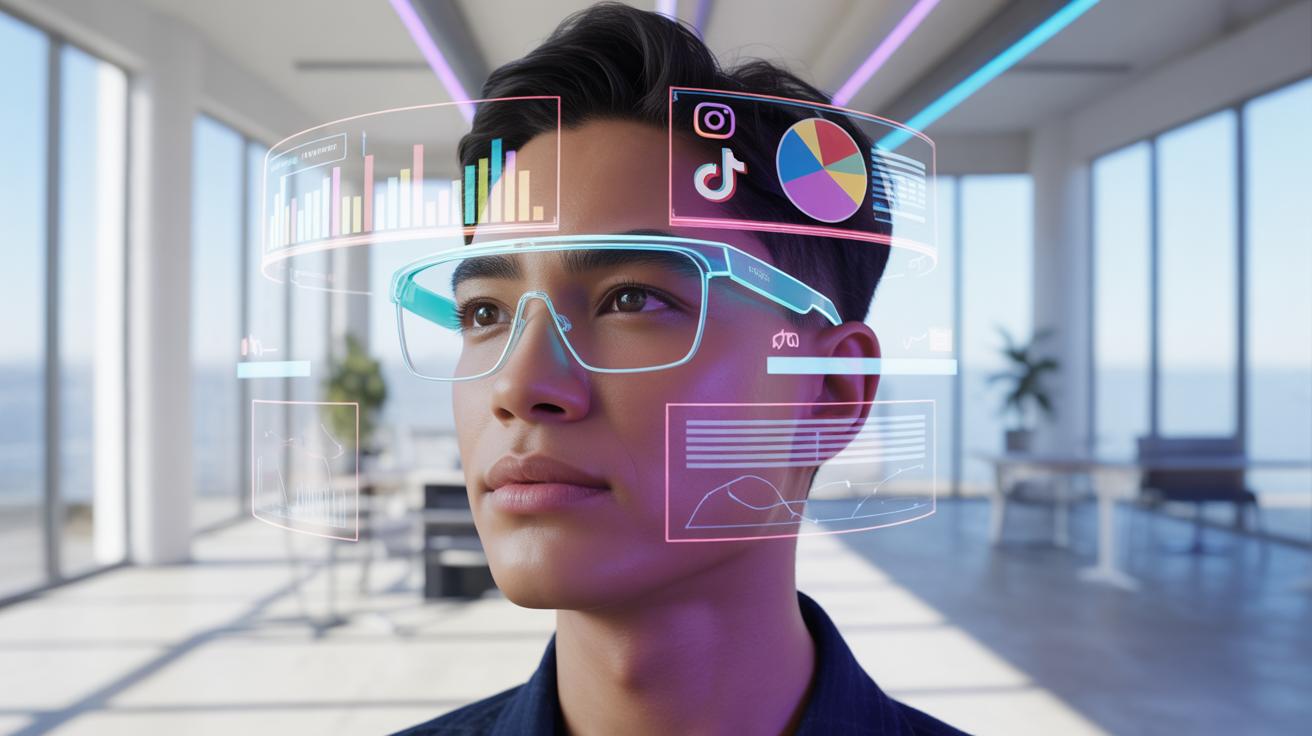
SoCs blur lines between different functions—processing, graphics, connectivity—all under one roof. That’s why your phone can handle complex apps while streaming video and maintaining a smooth touchscreen feel. But it also means design cycles speed up, companies compete on chip design, and sometimes trade-offs happen, like less repairability.
IoT Growth And Consumer Devices
IoT devices are no longer niche gadgets; they’re widespread across homes and businesses. And as more devices connect, electronics must support reliable wireless communication, airtight security, and data processing. Designs adapt by embedding sensors, antennas, and local AI capabilities within familiar products.
This interconnectivity changes expectations. You now expect your smart lock, lighting, and even garden sprinkler to work together. For businesses, IoT networks track equipment status or supply chains with more visibility than before. This rise demands electronics that are versatile, scalable, and sometimes modular to keep pace.
But there’s a catch: with more connected devices, complexity grows. It’s a careful balance between functionality and user-friendliness. Products evolve from single-function to parts of an ecosystem, which can feel overwhelming but also opens paths to personalized experiences you might find quite useful once you get past the learning curve.
Assess Digital Marketing Evolution

Digital marketing has come a long way from simple banner ads and mass emails. When I first noticed how campaigns started relying on user data, it felt like a slow but steady shift. Now, the move toward data-driven strategies seems almost inevitable, even if not flawless.

Marketers today design personalized campaigns based on real-time behavior, preferences, and past interactions. This shift isn’t just about gathering data, but making sense of it quickly and deeply enough to influence decisions. You might have experienced seeing ads or suggestions that seem oddly relevant—those are the results of this evolution.
Some tools stand out:
- AI-powered chatbots engage visitors instantly, answering questions or guiding users through choices without human delay.
- Recommendation systems analyze what you’ve done before and suggest related products or content, improving engagement.
- Predictive analytics try to forecast what customers might want next, though the accuracy can sometimes surprise you in unexpected ways.
Perhaps what’s most striking is automation’s role. It can manage campaigns on a scale impossible by hand, sending tailored messages at particular times for maximum impact. Though, occasionally, you wonder if some messages miss the mark or feel a bit mechanical.
The real challenge for marketers is balancing automation with a human touch. Too much reliance on AI might risk losing genuine connection, but ignoring it means missing out on powerful targeting possibilities.
Compare Tech Impact On Marketing Channels

Emerging technologies influence marketing channels in quite different ways, and sometimes the effects feel uneven or unpredictable.
Social Media Versus Email Campaign Changes
AI and interactive tools radically shift social media from a passive scroll to active participation. For example, chatbots and real-time polls can boost engagement substantially, making content feel tailored and dynamic. But the flood of AI-driven content can sometimes overwhelm audiences or appear insincere, which can backfire.
On the other hand, email marketing automation quietly improves relevance through tailored send times, personalized subject lines, and predictive analytics. The impact isn’t as flashy but offers steady conversion bumps. Still, many users feel email is intrusive or repetitive despite these advances.
So, while social media thrives on instant interaction and viral potential, email leans on precision and timing, each with its challenges around audience fatigue and content saturation.
Mobile Marketing Adaptations Overview
Mobile platforms push marketers to rethink strategies constantly. Location targeting lets you catch users near your store or event, enhancing timing and context. Yet privacy concerns and changing OS permissions muddy the waters about how much data you can actually use.
App-based ads offer immersive experiences like AR try-ons or interactive product demos. They feel more personal but require your audience to already trust and engage with your app, which isn’t always easy to achieve. Plus, messaging overload here can cause users to uninstall apps altogether.
All in all, mobile tech demands a very careful balance—pursuing immediacy and relevance without crossing into annoyance or intrusion. It’s tricky to nail, but when done well, it can deepen customer connection markedly.
Setup Checklist For Tech Integration

Starting with new electronics technology can feel overwhelming. You want to avoid rushing in and then realizing the tools don’t suit your needs or your team isn’t ready. Breaking it down step-by-step helps, though it’s rarely as neat as any checklist implies.
Evaluate Technology Options
Begin by surveying what’s out there. Ask yourself: which tech fits your product goals or marketing angle? Look beyond the flashy features and think about compatibility with your current systems.
Consider these points:
- Does the technology solve a clear problem for your audience or your workflow?
- What data security or privacy issues might it introduce?
- How easy is adoption for your staff? Is there existing support or documentation?
- Are the costs, including hidden ones like maintenance or upgrades, reasonable versus potential gains?
For example, if implementing smart sensors for customer engagement, check if your marketing software can capture and analyze that data effectively. It’s tempting sometimes to grab the latest gadget, but fitting well with your strategy matters more.
Plan And Execute Integration
Once you settle on a technology, planning the rollout takes center stage. Don’t expect everyone to pick it up immediately. Training is critical and often underappreciated.
Your steps might look like:
- Map out a phased deployment rather than a big bang launch.
- Develop training materials that match different team skill levels.
- Set clear milestones: what success looks like at each stage.
- Assign champions—team members who can provide hands-on support.
- Establish feedback loops early to catch frustrations or issues.
It’s not unusual to find some users resistant or confused at first. Patience with that process pays off. Also, keep an eye on metrics that indicate how well tech supports marketing goals. Sometimes, initial excitement dims when new systems slow down workflows. Don’t ignore that.
Maybe the tech isn’t perfect, but what matters is learning and iterating while keeping your team engaged. Otherwise, you’re stuck with gadgets gathering dust and designs that look good only on paper.
Examples Of TechDriven Campaigns
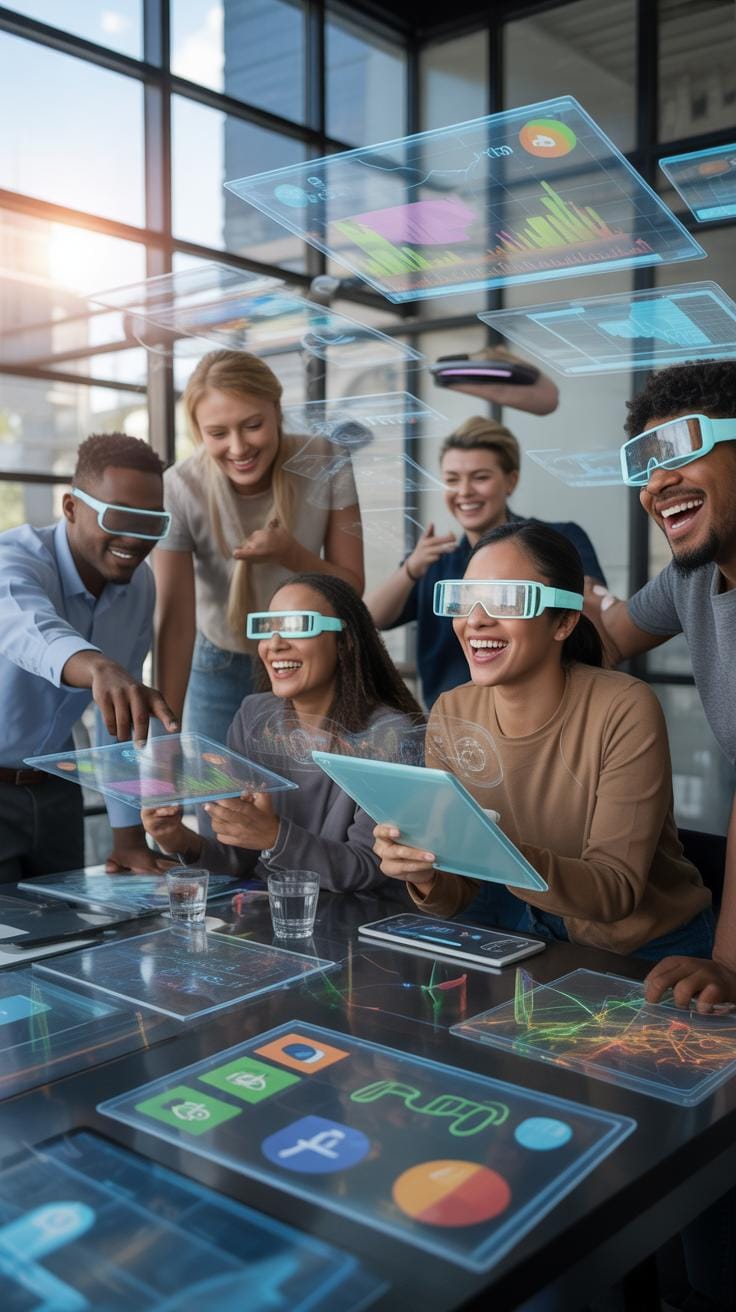
Marketing campaigns today often hinge on the latest electronics pushing the boundaries of how brands connect with people. One example comes to mind: IKEA’s use of augmented reality to let customers “place” furniture in their own rooms via their smartphones. It’s a simple concept, but it completely changed how buyers visualize products before purchasing. This kind of blending between physical and digital experiences depends heavily on advances in sensor technology and mobile processors.
Virtual reality has also carved space in advertising. Nike’s immersive VR experiences at flagship stores invite users to step into virtual tracks or custom design shoes. These aren’t just ads; they create stories you can experience physically. That’s only possible because of the evolution in VR headsets, tracking electronics, and graphics chips, making virtual ads more believable than ever.
Personalization has come leaps forward thanks to the data electronics now gather. Brands like Amazon and Spotify tap into user behavior from devices to tailor every interaction. Recently, a cosmetics company used AI engines wired through smart mirrors to analyze skin conditions and suggest products in real-time, offering a level of customization that feels almost personal—or maybe it’s a bit too much for some?
These examples hint at a future where your electronics not only show ads but react and adapt to your preferences. Does the idea of your devices predicting what you want enhance your shopping, or raise some privacy questions? It’s an open space, but unmistakably one where technology is reshaping marketing in real ways you can already see and touch.
Avoid Common Technology Pitfalls

When businesses rush into adopting futuristic electronics technology for marketing, they often stumble over a few familiar traps. One big mistake is having goals that don’t quite match what the technology actually offers. Sometimes, companies chase after shiny new gadgets or systems without thinking through what those tools really need to achieve for their marketing efforts. That disconnect can lead to wasted budgets and frustrated teams. I’ve seen cases where a business invests in complex AR displays aiming to boost engagement, but without clear targets or ways to measure success, the tech ends up collecting dust or causing confusion.
Overcomplicating solutions is another common error. Bringing in tools that are too complex or broad without a plan for how people will actually use them often backfires. Just because a technology can do a lot doesn’t mean it should be used for every task. Without clear user adoption strategies, the tools become burdensome, slowing workflows instead of speeding them up. Sometimes companies forget that if the team finds the tech hard to understand or use, adoption will stall. In marketing, where speed and agility matter, that can be a real problem.
Ignoring the customer’s perspective on new tech is perhaps the most critical misstep. If the electronics or digital experiences don’t consider actual user needs or preferences, they risk alienating the audience instead of attracting them. For instance, a flashy interactive display may look futuristic but might overwhelm or annoy customers if it’s not intuitive or relevant. It’s tempting to treat technology as the main star, but your customers’ reactions matter most. Have you ever walked away from an ad because it just felt off or impersonal? That feeling comes from placing tech over the actual human experience.
Metrics To Track Tech Success

When you adopt new electronics or digital marketing technologies, measuring how well they perform isn’t straightforward. It’s tempting to look only at obvious outcomes, but the nuances matter. Customer engagement, conversion rates, and return on investment (ROI) are key indicators, but they don’t always tell the full story alone.
Engagement And Interaction Metrics
Tracking how users interact with your marketing content reveals much about whether the tech really connects with audiences. Metrics like click-through rates, time spent on interactive ads, video completion rates, and social shares stand out here. These numbers reflect genuine user involvement rather than just passive exposure.
For instance, a digital billboard with AR capabilities might not get many direct clicks but could have high interaction times—people stay longer, explore the content. That matters, right? So, engagement isn’t just about clicks but how deeply customers immerse themselves in the tech-driven experience.
Sales And Conversion Tracking
Conversion tracking is more concrete but also trickier. Linking a purchase directly to tech-driven marketing requires precision and sometimes a bit of luck. Still, conversion rates offer clear evidence of marketing effectiveness. If you notice a rise in conversions after launching a new smart device campaign or interactive web feature, that’s a solid sign your efforts work.
One thing I’ve seen is that measuring micro-conversions—like signups, downloads, or trial activations—gives clues before final sales appear. Watching these smaller steps can hint at future revenue growth, though sometimes the connection feels fuzzy. ROI, especially, depends on accurate attribution, which can be complicated with multiple tech tools running simultaneously.
Plan Timeline For Tech Adoption

Research And Testing Phase
When a company sets out to adopt a new technology in electronics or digital marketing, the first steps often involve digging deep into research. This means not just reading reports or case studies, but getting real input from stakeholders—those who will use or be affected by the technology.
It usually starts with understanding the potential impact and limitations. This phase may take a few months depending on the tech’s complexity, and pilot tests play a crucial role. You want to try the technology in a controlled environment, perhaps within a single team or on a limited campaign, watching closely how it performs.
While the idea is to collect data, expectations often get adjusted along the way. Stakeholders may spot issues that technical teams didn’t foresee. Their feedback can prompt tweaks or even reconsideration of the project’s scope. This back-and-forth ensures the pilot isn’t just a proof of concept but a thoughtful evaluation.
Deployment And Feedback Loop
Once pilot testing yields promising results, it’s time for broader deployment. Rolling out new tech across the organization or marketing channels is rarely instant. Phased launches, perhaps department by department or regionally, allow for smoother transitions.
But deployment isn’t the end—monitoring performance continuously is vital. You want to track metrics that show real value, like customer engagement shifts or reductions in hardware failure rates. Collecting feedback from users during this time is just as important as the numbers.
Feedback may uncover unexpected challenges or suggest improvements, prompting updates or training. In fact, the relationship between deployment and review becomes cyclical. If problems arise, scaling back or pausing might be necessary before continuing.
So, the timeline isn’t fixed. It’s flexible, open to adjustments depending on results and real-world reactions. That’s perhaps the only certainty in adopting futuristic technologies.
Conclusions
Emerging technologies in electronics create powerful tools that digital marketing can use to reach and engage customers more effectively. Staying informed about these trends lets you adapt faster while benefiting from new device capabilities and marketing channels.
Focus on proven methods and measurable approaches to digital marketing. Stay aware of electronics innovations shaping consumer habits. This combination will help you maintain a competitive edge as the tech landscape evolves.