
Introduction
Concept vehicles inspired by science fiction have shaped the way futuristic cars are designed today. These designs showcase innovative ideas that push the boundaries of current automotive technology. By examining sci fi concepts, designers gather inspiration to create cars that are not only visually striking but also incorporate advanced technology and new materials.
In this article, you will see how sci fi influences concept vehicle designs, learn about distinctive features common in sci fi cars, and explore real-world examples where these ideas have shaped modern car trends. We also discuss challenges and future possibilities related to integrating sci fi elements into practical vehicle design.
What Is A Concept Vehicle Sci Fi
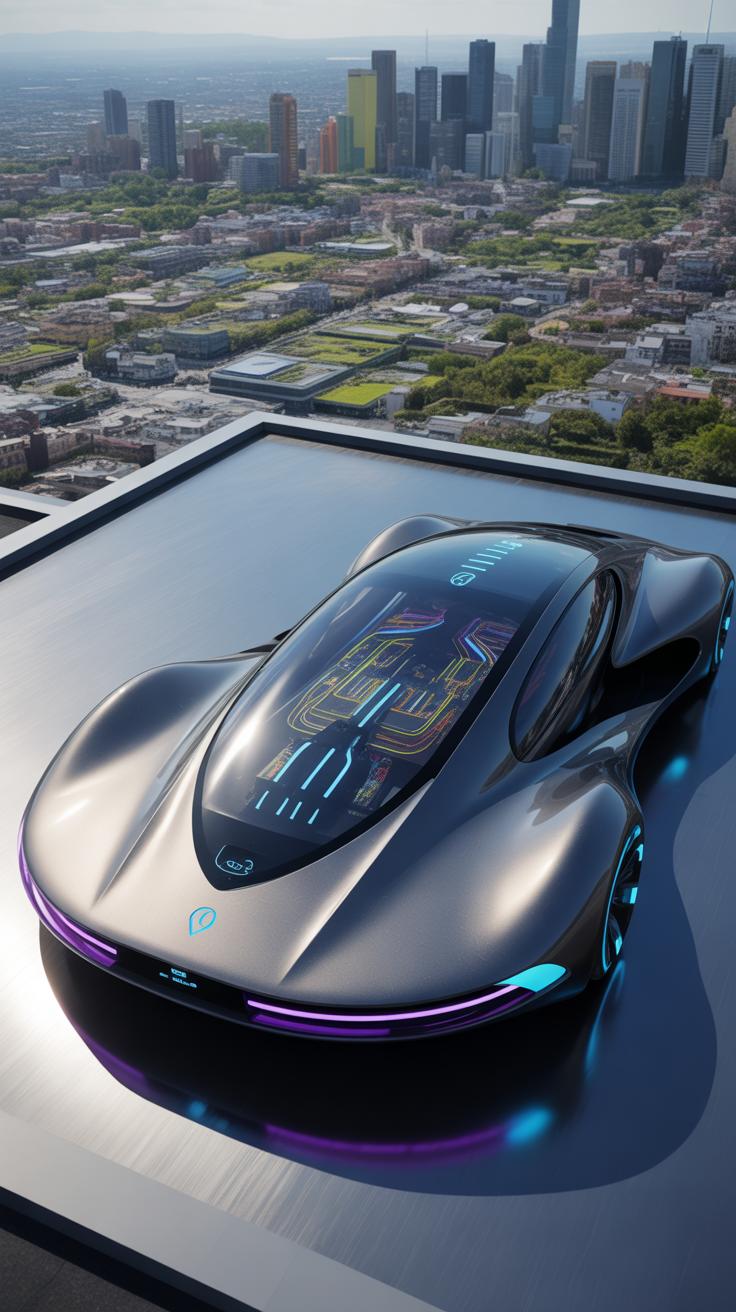
A concept vehicle is basically a prototype, designed mostly to showcase new ideas rather than to be sold directly to consumers. Think of it as a kind of experiment on wheels, where automakers try out fresh styling, unusual functions, or tech that might seem outlandish at first. Sci-fi plays a curious role here. It fuels many bold visions—sometimes the shapes you see look straight out of a movie, and the functions, well, they might feel like magic.
Science fiction stretches the imagination of designers. It nudges them to explore possibilities beyond practical constraints. For example, you’ll find futuristic concepts with glowing elements, self-driving features, or aerodynamic forms that seem impossible in today’s world—but they spark ideas that eventually trickle down to real cars. Sci-fi’s influence is both visual and conceptual, shaping not only looks but how cars could interact with people and their environment.
Origins Of Concept Cars
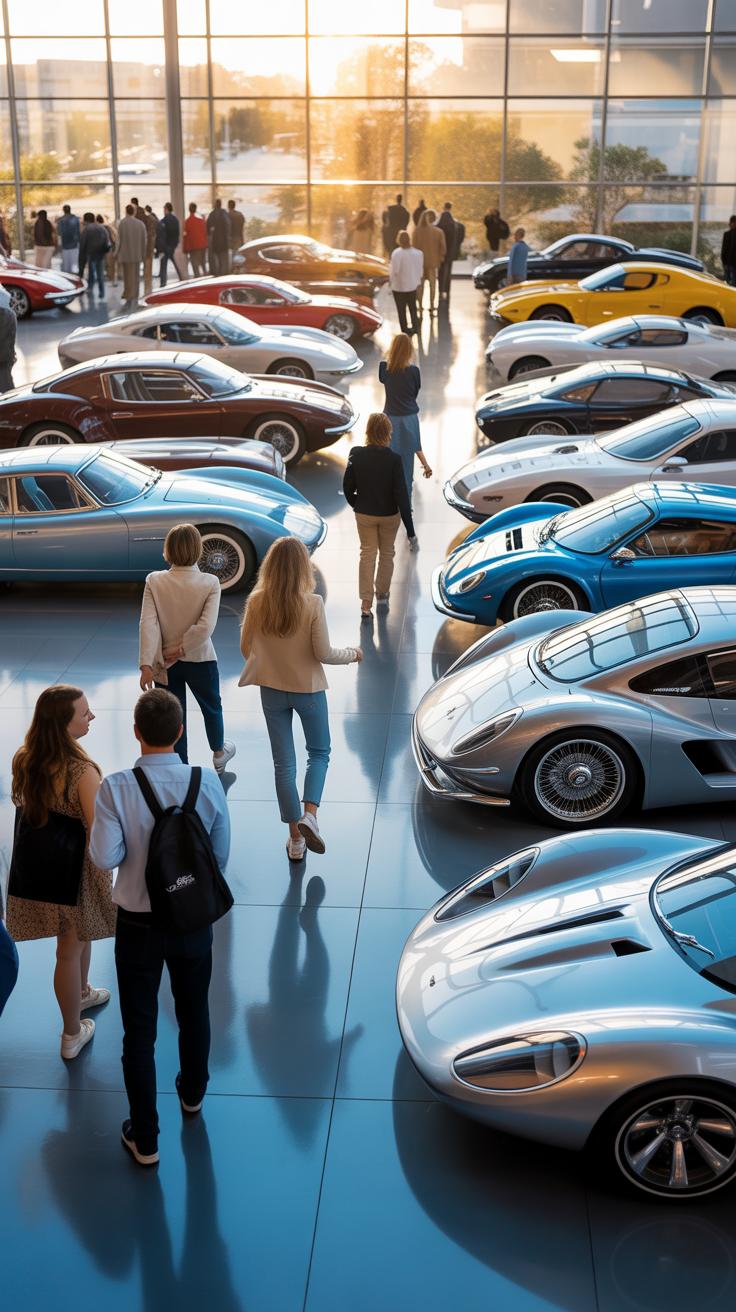

The story of concept cars begins around the 1930s and 40s, but a key figure often mentioned is Harley Earl from General Motors. Earl essentially popularized the idea of crafting these showpieces with his Motorama exhibitions in the 1950s. It’s kind of fascinating how concept cars shifted from simple experimental models to theatrical displays of automotive fantasy aimed at capturing public awe and feedback.
Early concept vehicles were often more about design drama than engineering realities. Over time, the concept evolved. Manufacturers started using them to test public response to new trends, as well as potential tech. Nowadays, most concept cars still don’t hit production directly, but their innovations often influence mainstream designs years later.
Sci Fi Themes In Design
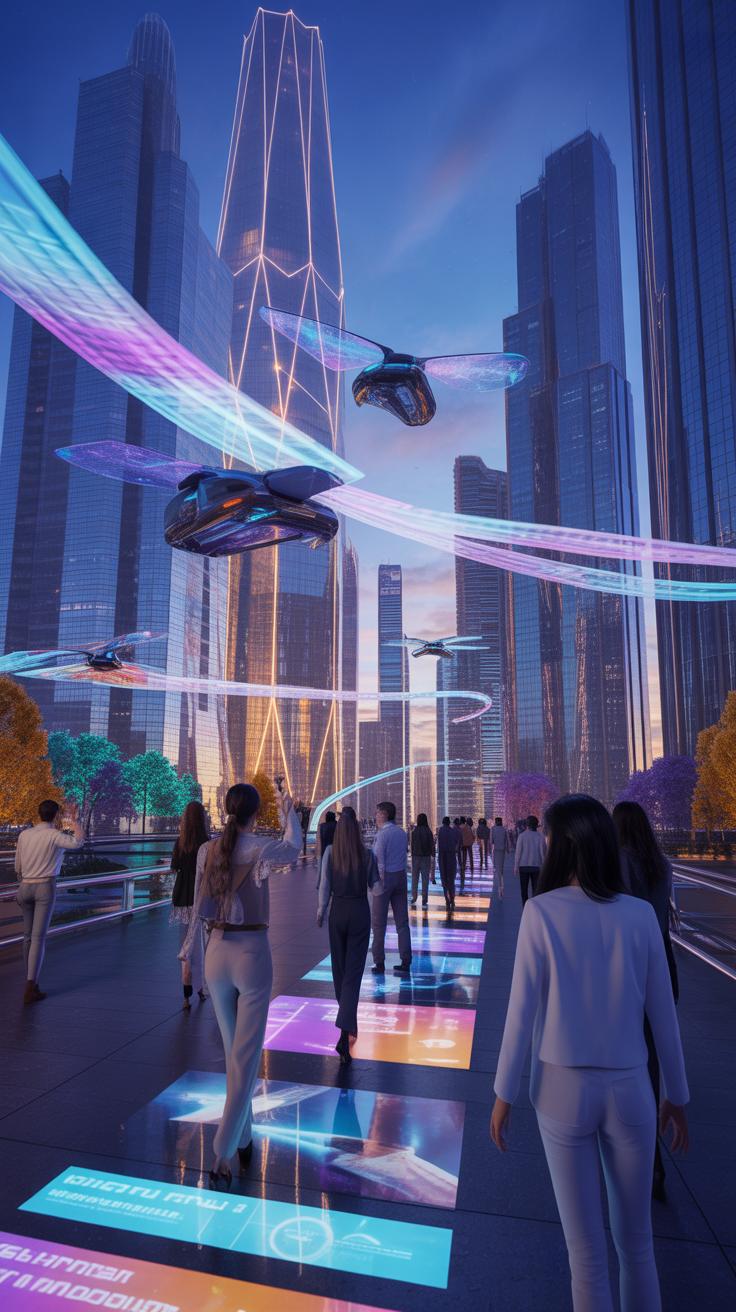
When you look at concept cars influenced by sci-fi, several recurring themes jump out:
- Advanced technology: Think autonomous systems, holographic displays, or even alternative power sources.
- Nontraditional shapes: Forget boxy or streamlined; you get angular, flowing, or even asymmetric designs that seem like they belong in space rather than on roads.
- Futuristic materials: These range from ultra-light carbon composites to transparent metals or flexible surfaces—materials not quite common in everyday production.
These themes often defy what you’d expect on practical vehicles but they push the envelope. Some elements are purely aesthetic experiments, while others challenge engineers to rethink what a car can be. You might not see all these features in your next vehicle, but their presence in concept cars nudges the auto industry toward new horizons—you can almost feel the dialogue between imagination and reality.
Why Sci Fi Matters In Vehicle Design

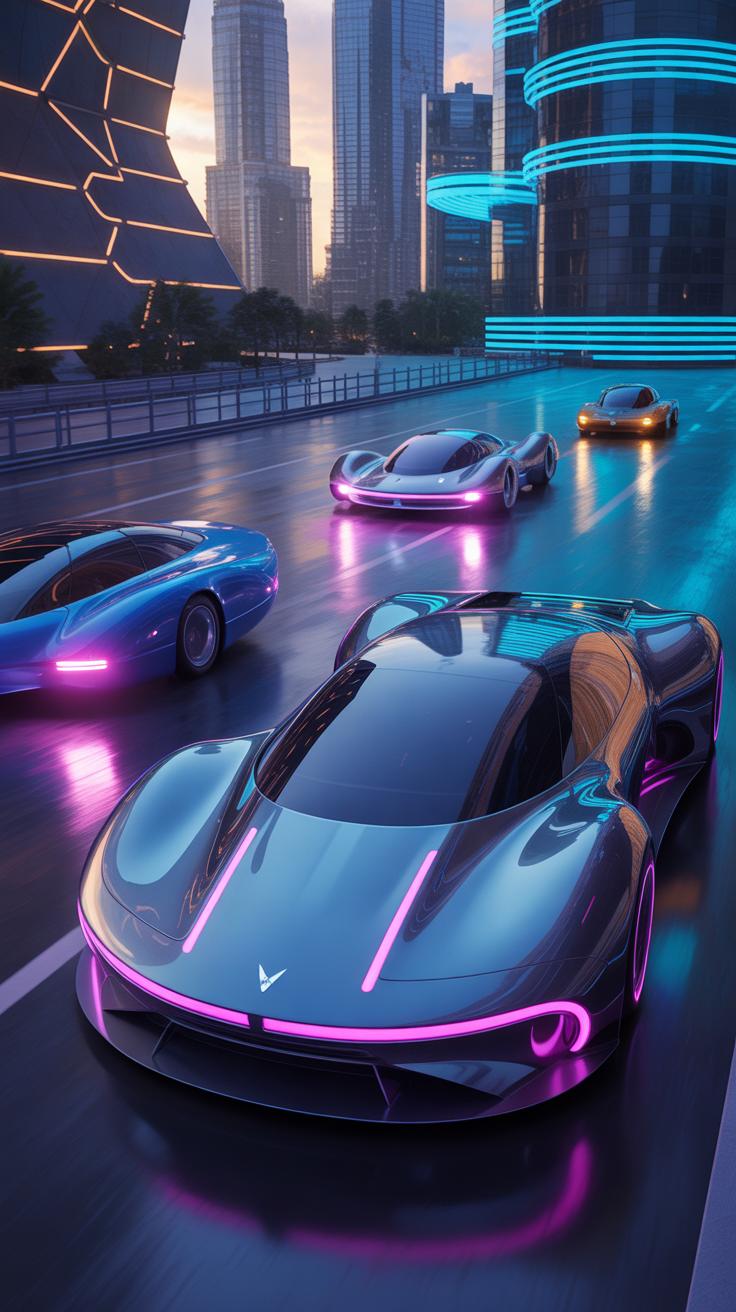
Sci fi themes do more than just set cool scenes in movies or books—they fuel the imagination of vehicle designers. When you think about it, these themes challenge the usual way of thinking about cars. They prompt designers to wonder what could be possible if the rules were a bit looser, or if tech advanced faster than reality allows right now.
This influence goes beyond appearances. It’s about exploring what a car can do or how it interacts with drivers and the environment. Sometimes, inspiring designs from sci-fi lead automakers to tinker with electric drivetrains, autonomous systems, or even unconventional shapes—not because they have to, but because they dream a little bigger.
And let’s be honest, who isn’t drawn to something that looks novel or even otherworldly? Cars that borrow sci fi elements tend to catch the eye quicker and stick in your mind longer. They spark conversations and sometimes raise expectations for future transportation. It’s almost like they make you curious about what’s around the corner.
So, the sci fi is not just fantasizing; it’s stirring curiosity and adventurous thinking. It pushes the boundaries, even if those ideas feel a bit wild or incomplete now. Designers follow these sparks, tweaking and shaping to fit practical needs—or sometimes just to see what happens if they try.
How To Identify Sci Fi Features

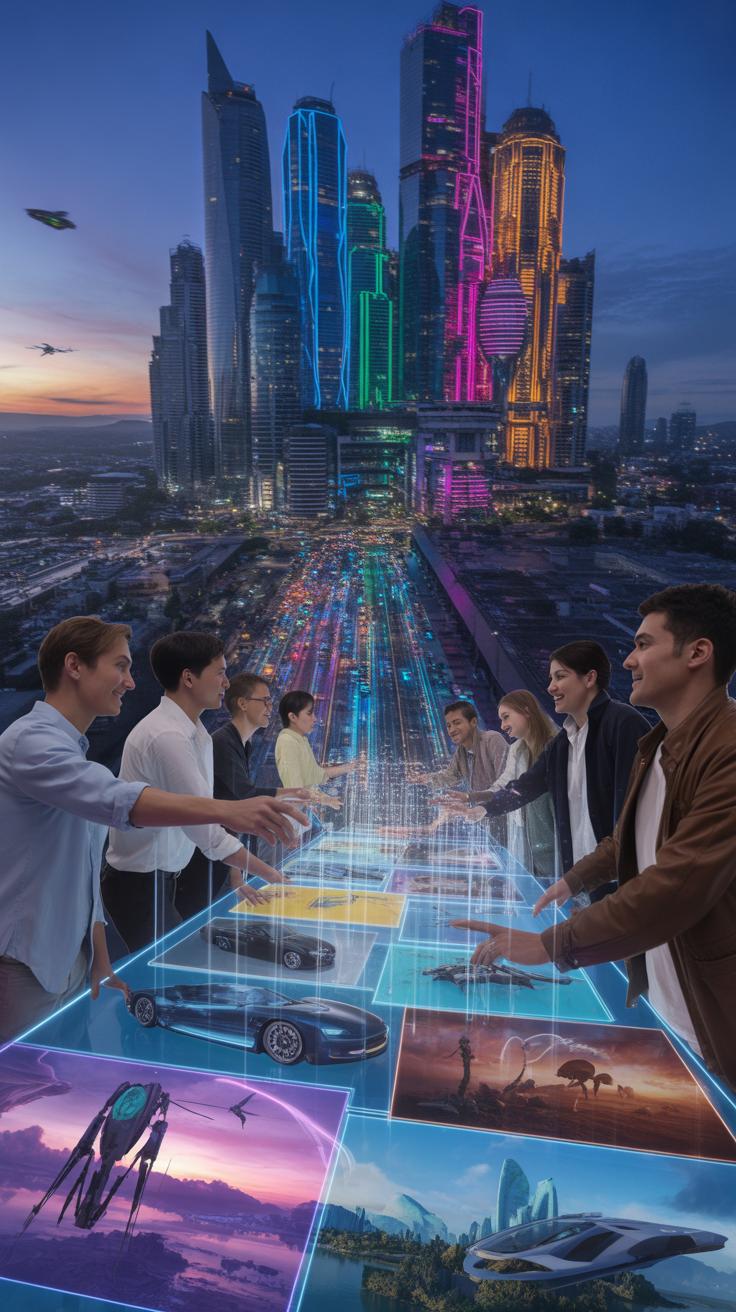
When you look at a vehicle and wonder if it’s come straight out of a sci-fi story, some key characteristics often give it away. Sci-fi-inspired vehicles usually break away from typical car designs by embracing forms and technologies that feel like they’ve been plucked from another era — or maybe even another world.
Unusual Forms And Shapes
One of the first things to notice is the shape. Sci-fi vehicles tend to sport unusual, aerodynamic outlines. Think swooping curves, sharp angles, or designs that seem to defy traditional balance and symmetry. These shapes often suggest speed and efficiency but also an otherworldly or experimental vibe.
Take the Tesla Cybertruck, for example — with its geometric, angular body, it instantly signals a futuristic mindset. Or consider concept cars shaped more like sleek pods or even spacecraft, where functionality blends with imagination. You might find doors that open vertically or wheels tucked away under rounded shells, hinting that the designers were thinking beyond mere earthbound constraints.
Advanced Technologies
Then, there’s the tech inside. Sci-fi vehicles typically showcase features you won’t find in daily cars. Energy weapons? Hover capabilities? AI interfaces that seem more intelligent than many today’s road systems? These elements highlight a blend of fiction and what could one day be possible.

Examples crop up in media and concept models alike. The idea of hovercraft cars, like those imagined in “Back to the Future,” evoke a world where vehicles lift off the ground effortlessly. AI-driven cockpits, where the car anticipates—and maybe even questions—your next move, are becoming more common in concept designs, though still far from full reality.
Spotting these traits helps separate ordinary vehicles from the ones inspired by science fiction. But remember, the line can blur. Sometimes, what looks purely fantastical today might inspire tomorrow’s everyday rides—if we’re lucky.
Comparing Sci Fi Concepts Versus Reality
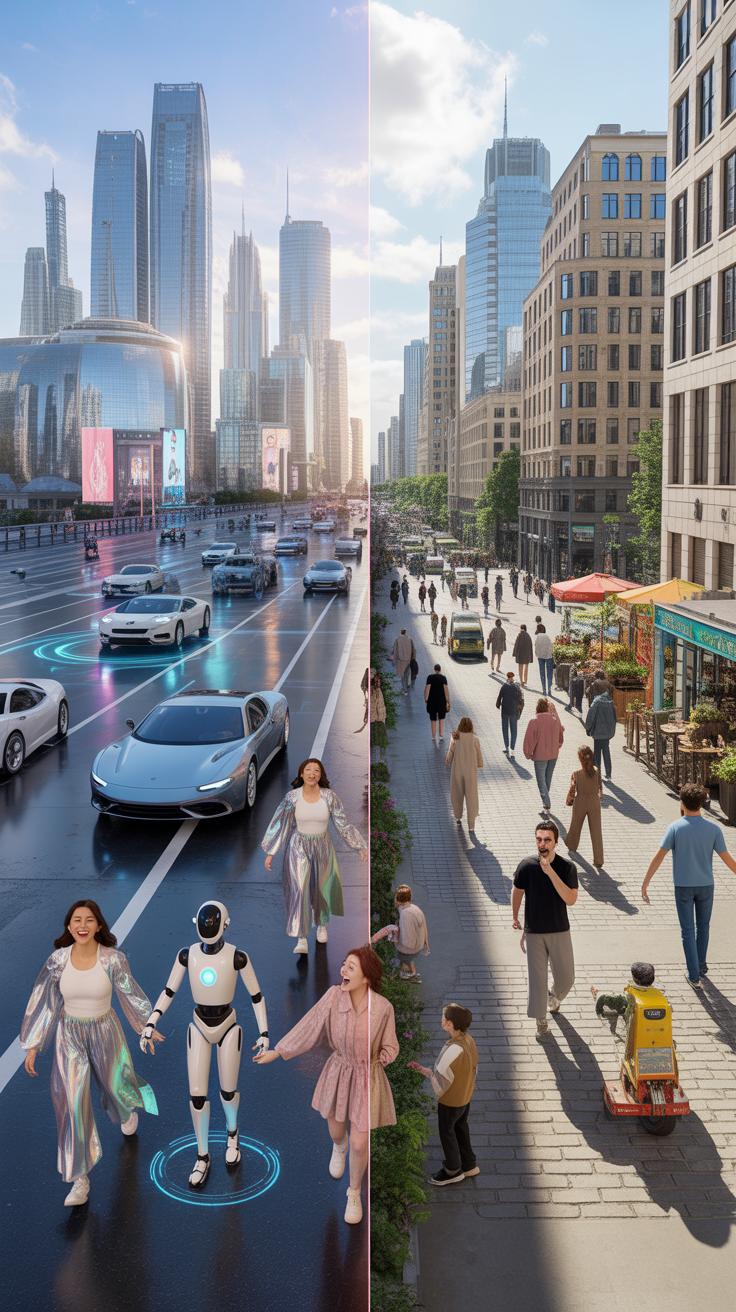
When you look at sci-fi concept vehicles, they often showcase bold ideas—flying cars, shape-shifting bodies, or AI-driven controls. These visions push the envelope far beyond what production vehicles offer today. Most production cars stick to grounded realities: wheels on roads, human or automated driving within regulatory limits, and materials that balance cost with safety.
Many sci-fi features remain more fantasy than fact. For example, true flying cars still wrestle with physics, energy demands, and airspace regulation. On the other hand, some concepts, like autonomous driving and heads-up displays, have slipped from imagination into our real garages.
Feasibility today is a patchwork: batteries and electric drivetrains advance quickly while hover tech or teleportation remain in the realm of pure speculation. So, while sci-fi stirs excitement, reality demands pragmatism—will your future car have a robotic assistant? Maybe. Will it soar above traffic anytime soon? I’d say probably not.
From Imagination To Reality

Some sci-fi ideas have crossed into practical use. Think touchscreen controls and voice-activated systems—once considered futuristic, now commonplace. Electric propulsion, long a niche concept, is now mainstream with brands like Tesla leading the charge. Autonomous features, while still evolving, have gone from sci-fi to limited reality.
Yet, many ideas stay speculative. Energy sources powering starships or vehicles that can change form on demand are still out of reach. Sci-fi tends to overlook real-world constraints like material durability or energy efficiency, leaving certain dreams just out of driving distance.
Limitations And Challenges
The road from concept to production is bumpy. Safety regulations dictate design far more than aesthetics or sci-fi flair. Crash tests, emissions standards, and user ergonomics impose limits not seen in fiction. Also, manufacturing costs and consumer demand play huge roles—fancy tech often doesn’t justify a steep price tag.
There’s also infrastructure: electric cars need chargers, flying vehicles need air traffic control. Matching innovation with these practical elements slows progress. So, futuristic designs inspired by sci-fi must navigate a maze of engineering, legal, and economic barriers before reaching showroom floors.
Setup Checklist For Designing Sci Fi Vehicles
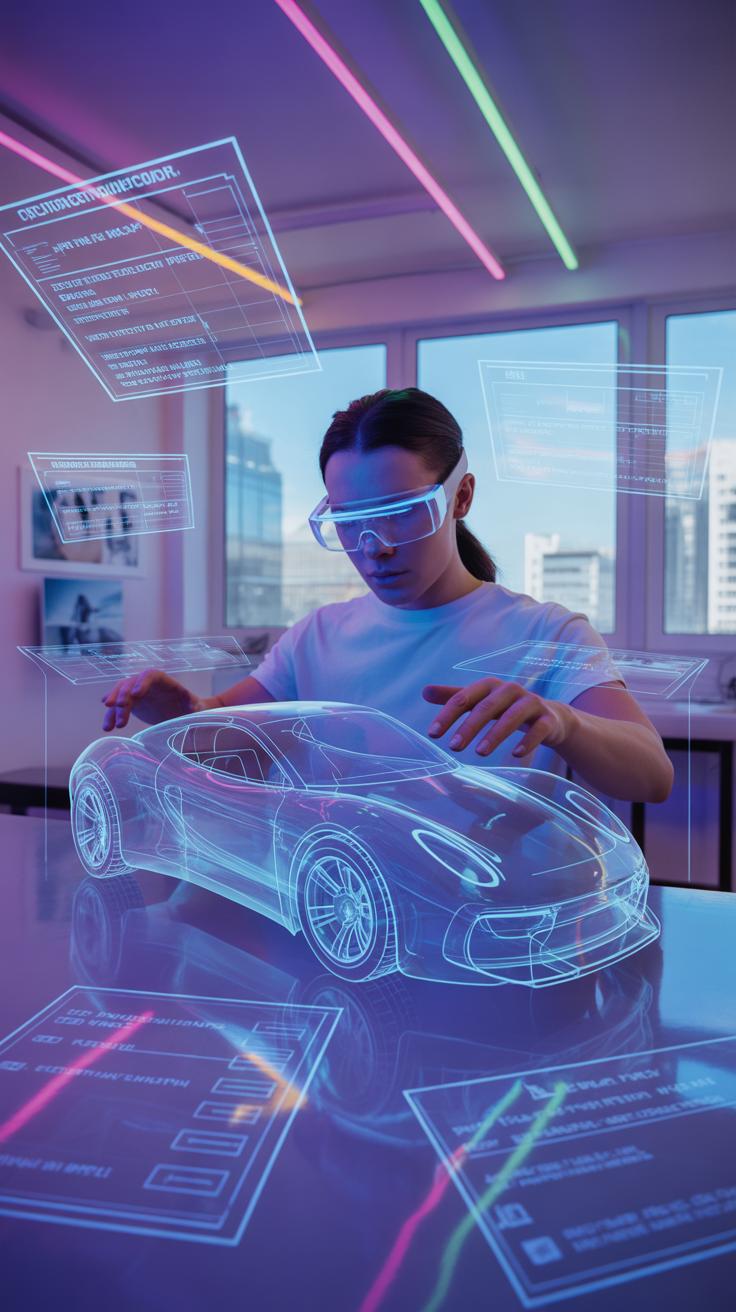
When designing sci fi vehicles, setting up a clear checklist can keep your creativity on track while avoiding some common pitfalls. First, pinpoint the key sci fi elements you want the vehicle to express. Is it inspired by cyberpunk, space exploration, or post-apocalyptic survival? Choosing a theme that fits the vehicle’s intended purpose and target users helps keep the design relevant rather than just flashy. You might start by brainstorming a few sci fi concepts and then narrowing those down based on practicality and the story you want the vehicle to tell.

Next, balance is crucial. Sci fi designs can get wild, but you want to ensure the vehicle’s form doesn’t overwhelm function. Consider how components like propulsion, user interface, or aerodynamics actually work or could work in a near-future or speculative context. For example, a sleek hovercar might look great but think about control systems and safety features that support the concept. Sometimes, the most interesting designs come from blending highly imaginative ideas with believable technology.
Following this simple approach can save time and frustration. Keep revisiting your checklist as you sketch and prototype to check if the vehicle still holds to your chosen sci fi elements and remains usable in its fictional world. Does this step-by-step method sound a bit rigid? Maybe, but it often stops you from losing the plot amid too many futuristic “bells and whistles.” Your vehicle should feel like a natural extension of its universe, not just a collection of cool gizmos.
Examples Of Sci Fi Concept Vehicles
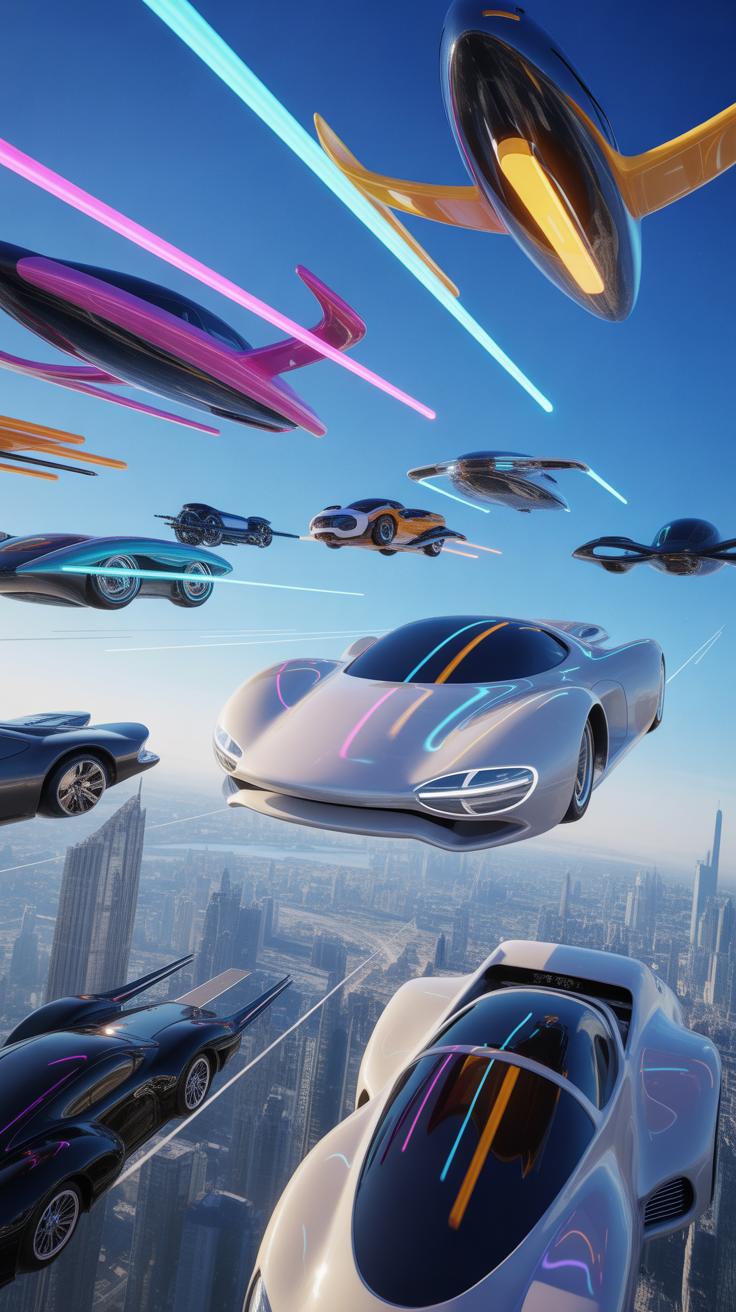
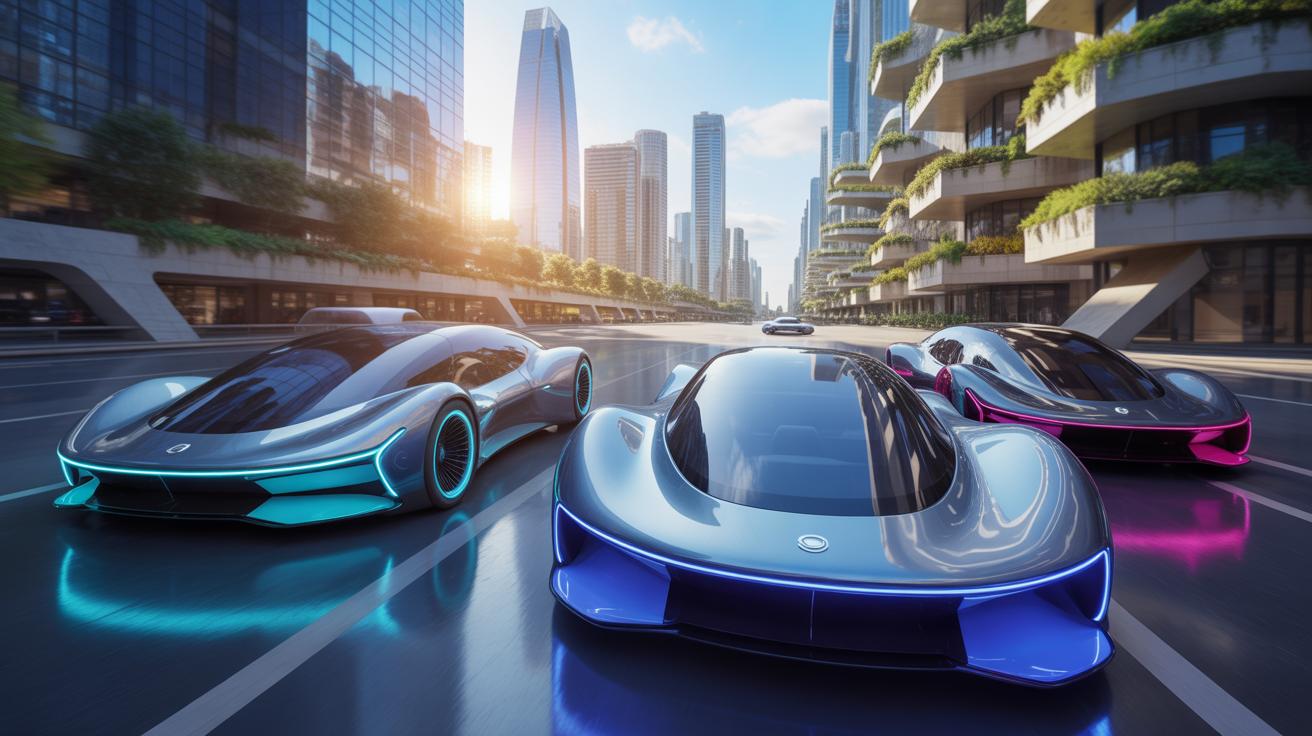
When you look at concept vehicles influenced by science fiction, some designs seem almost like they’ve arrived straight from a futuristic movie set. These cars tend to stray far from traditional forms, often featuring smooth, curved surfaces, unconventional door placements, and unusual materials that defy the usual metal and glass combo. You might notice features like gullwing or scissor doors, lighting that seems to pulse with an otherworldly glow, and interiors designed to be more cockpit-like than car-like.
Iconic examples include cars inspired directly by sci-fi media, like the sleek, almost spaceship-like forms seen in designs influenced by classics such as “Blade Runner” or “Star Wars.” Those vehicles emphasize an imagined future where technology might look radically different but still needs to be functional—though functionality here is often secondary to aesthetic impact.

More recently, makers have introduced models that blend electric powertrains with autonomous features, sometimes wrapping these innovations in bodywork that’s a nod to high-tech visions seen in sci-fi art. Think transparent panels, dynamic aerodynamics, and AI-assisted interfaces. Some are still only concepts, previewing possible paths the auto industry might take, while others hint at features soon entering mainstream production vehicles.
- Unconventional shapes: rounded edges and flowing lines reminiscent of spaceship hulls.
- Doors that open upward, or fully electric glass to replace traditional windows.
- Lighting designed not just for visibility but as an expression of identity.
- Interiors blending cockpit feel with digital interfaces seemingly from another era.
Concept vehicles like these invite us to wonder: how close are we really to turning these sci-fi visions into everyday realities? And what will it mean for our experience of driving, or even owning, a car in the future?
Common Mistakes When Using Sci Fi Design

When designers dive into sci fi concepts for futuristic cars, they often stumble over a couple of predictable pitfalls. One big issue is ignoring real-world constraints. It’s tempting to dream up vehicles that float, morph, or shoot lasers, but if the safety standards, traffic laws, or engineering realities aren’t considered, the whole concept feels less like a plausible future and more like fantasy play. It’s a tricky balance: how much can you bend reality before the design loses its credibility?
Another common misstep is overloading the vehicle with too many sci fi features. Designers may pack in every shiny gadget and flashy tech without thinking if it adds real value. This can clutter the design, confuse users, and actually degrade the car’s usability. Sometimes less is more—scifi elements should enhance experience, not overwhelm or distract.
- Ignore safety and you risk alienating users who want some assurance of practicality.
- Overload features and the design looks chaotic, not futuristic.
- Remember the vehicle still needs to be functional on some level.

One of my biggest takeaways from reviewing concept vehicles is that sci fi elements don’t need to dominate—they should complement. Getting this balance right is what separates visionary designs from those that stay stuck in the realm of sci fi fantasy without a clear path toward reality.
Metrics To Evaluate Concept Vehicle Designs
Visual Appeal And Originality
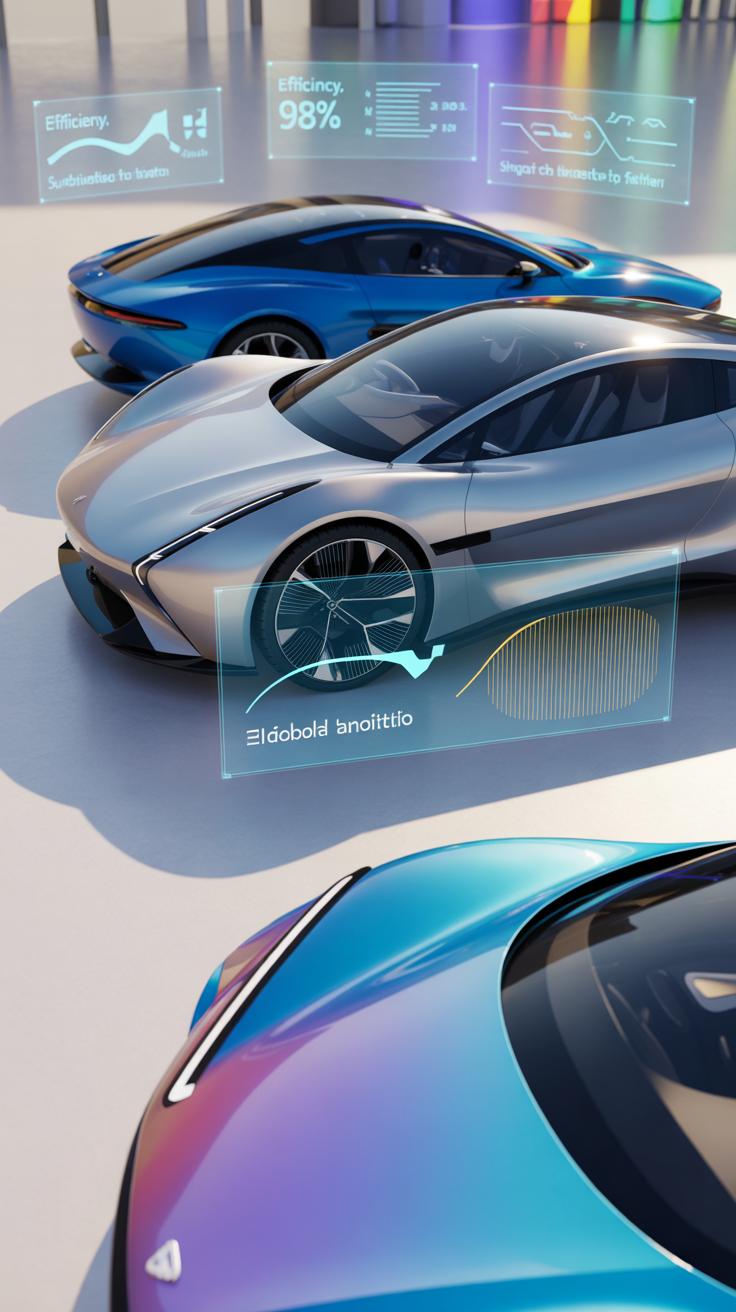
When it comes to gauging creativity in sci-fi inspired concept cars, you want to think about how fresh and unexpected the design feels. Does it break away from usual car shapes or does it simply mimic what’s already out there? Sometimes designs try too hard to be futuristic but end up looking just strange or impractical, which can backfire. Look for bold lines, unusual proportions, or features that aren’t just decorative but reflect a story or purpose behind them.
Originality isn’t easy to pin down—what was once novel can quickly become cliché. Still, if a design sparks curiosity or admiration, that’s a strong sign it’s hitting the mark. Judges might use scoring systems focused on factors like innovation in form, harmony of elements, and how well the design connects with futuristic themes without losing automotive identity.
Technical Feasibility
It’s tempting to imagine wild tech that defies today’s limits, but determining if a concept could actually work is crucial. You ask: Can these technologies be built with current or near-future materials and engineering? For instance, if a car design relies heavily on propulsion methods that science hasn’t demonstrated even in labs, its viability diminishes.
Assessing feasibility means diving into the tech specs: power sources, materials, control systems. Sometimes, concept cars propose smart integrations of real emerging tech, like solid-state batteries or AI-driven systems, which makes them more plausible. Other times, they remain dreams, showing possibilities that push the imagination but may take decades or never come to life.
Even if a design scores high on creativity, if it ignores practical constraints like safety norms, cost, or manufacturing capabilities, it falls short. But, hey, isn’t that part of the fun? Trying to imagine cars that push boundaries—even if they can’t yet exist—keeps the design world lively and hopeful.
Future Trends For Sci Fi Vehicles
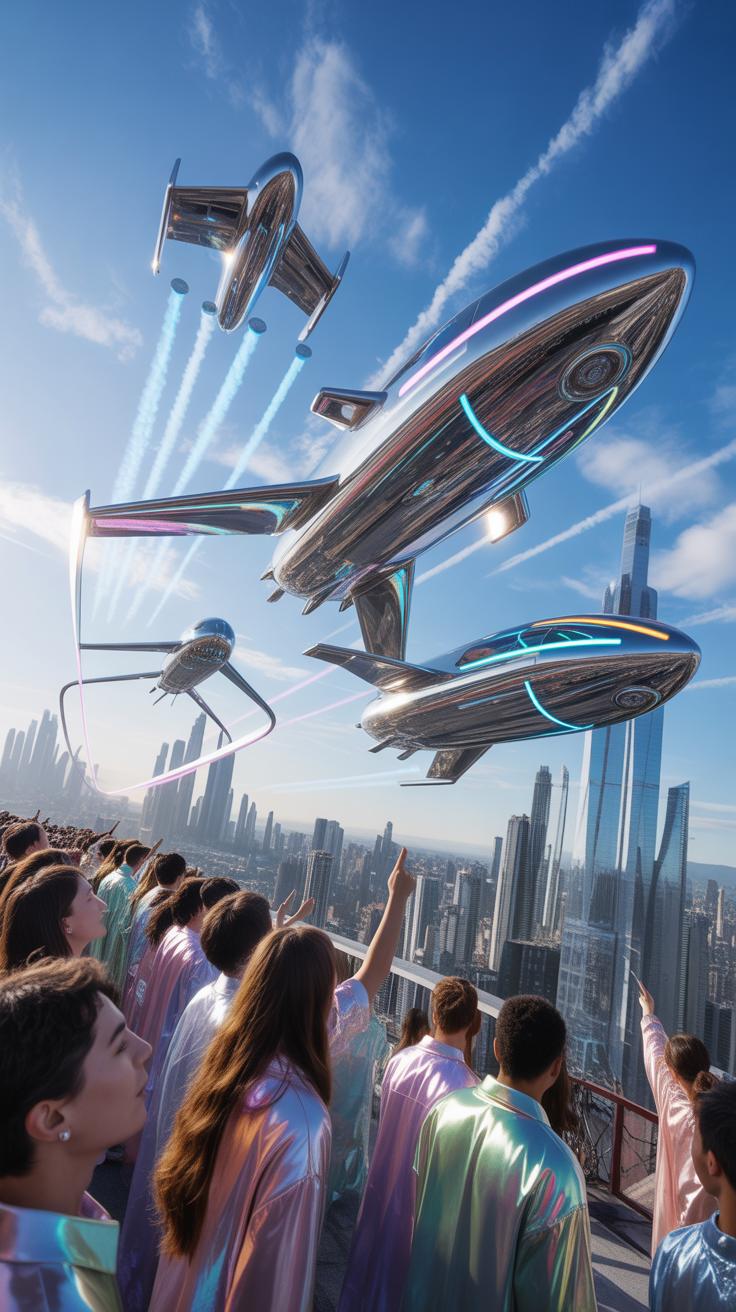
When you think about future sci fi vehicles, it’s tough to avoid visions of sleek shapes and bold tech merging with real life. The design trends brewing now in concept vehicles seem to echo sci fi’s influence more than ever. There’s an unmistakable shift toward aesthetics that feel almost otherworldly, but with a practical twist—something that you can, in theory, drive on actual roads someday. Manufacturers seem to draw inspiration from sci fi not just for wow factor, but also for solving real-world challenges.
One trend to watch is the rise of modular designs. Imagine cars that adapt to various uses, like transforming from personal rides to compact cargo haulers. Sci fi fuels this idea, suggesting vehicles that morph based on immediate needs. Another notable trend is the embrace of minimalist, smooth contours combined with advanced materials—some borrowed from aerospace and even speculative concepts seen in sci fi media.
It’s less about copying science fiction directly and more about translating imaginative ideas into feasible design solutions. Interestingly, some concept vehicles already hint at non-traditional shapes and unconventional user interfaces, perhaps paving the way for what’s to come. Still, will all this futuristic design feel natural enough for everyday drivers? That question lingers as we edge closer to sci fi realities in automotive form.
Sustainability And Eco Tech
There’s a growing sense that future vehicles will need to marry sci fi visions with environmental responsibility. Green technology isn’t just an add-on—it’s central. Think beyond typical electric powertrains to include eco-conscious materials and energy-harvesting surfaces. Sci fi often imagines vehicles powered by renewable or even self-generating energy systems. Some concept vehicles today echo this, incorporating solar panels, advanced batteries, or hydrogen cells—though the tech isn’t quite flawless yet.
Bio-inspired designs also show promise, where cars mimic natural processes to reduce waste or improve aerodynamics. For example, surfaces that clean themselves or absorb CO2 might sound like sci fi, but some projects edge closer every year. It makes you wonder: how much will sustainability steer the actual look and feel of future cars? It may even redefine luxury, focusing more on conscious innovation than flashy features.
AI And Autonomous Features
AI and self-driving tech have long been staples of sci fi visions. The curious part is how swiftly that’s becoming reality. Future vehicles are expected to embed more advanced AI systems, not just for autonomous driving but for personalized user experiences. Sci fi often depicts cars as extensions of their owners’ minds—anticipating needs, adjusting environments, even conversing. While we’re not quite there, the technology today takes cues from such concepts.
We’re looking at vehicles that can analyze traffic in real-time, optimize routes dynamically, and interact more naturally with passengers. Integration of AI might also shift vehicle design towards minimalist, screen-rich interiors, reducing reliance on conventional controls completely. Yet, this introduces questions about safety, privacy, and how comfortable we are handing over control to machines. So, while AI and autonomy will shape future cars heavily, there’s still a lot to figure out before sci fi fantasies become everyday norms.
Conclusions
Sci fi concept vehicles offer a fountain of ideas for futuristic car design trends. They demonstrate how creativity and imagination can lead to breakthroughs in style and function. Many design features from sci fi have already found their way into today’s concept cars and might soon appear in production models.
Understanding the impact of sci fi on car designs helps you appreciate the link between imagination and technology. As designers continue to experiment, expect future vehicles to blend advanced science fiction concepts with real-world usability, creating new trends for drivers and audiences worldwide.