
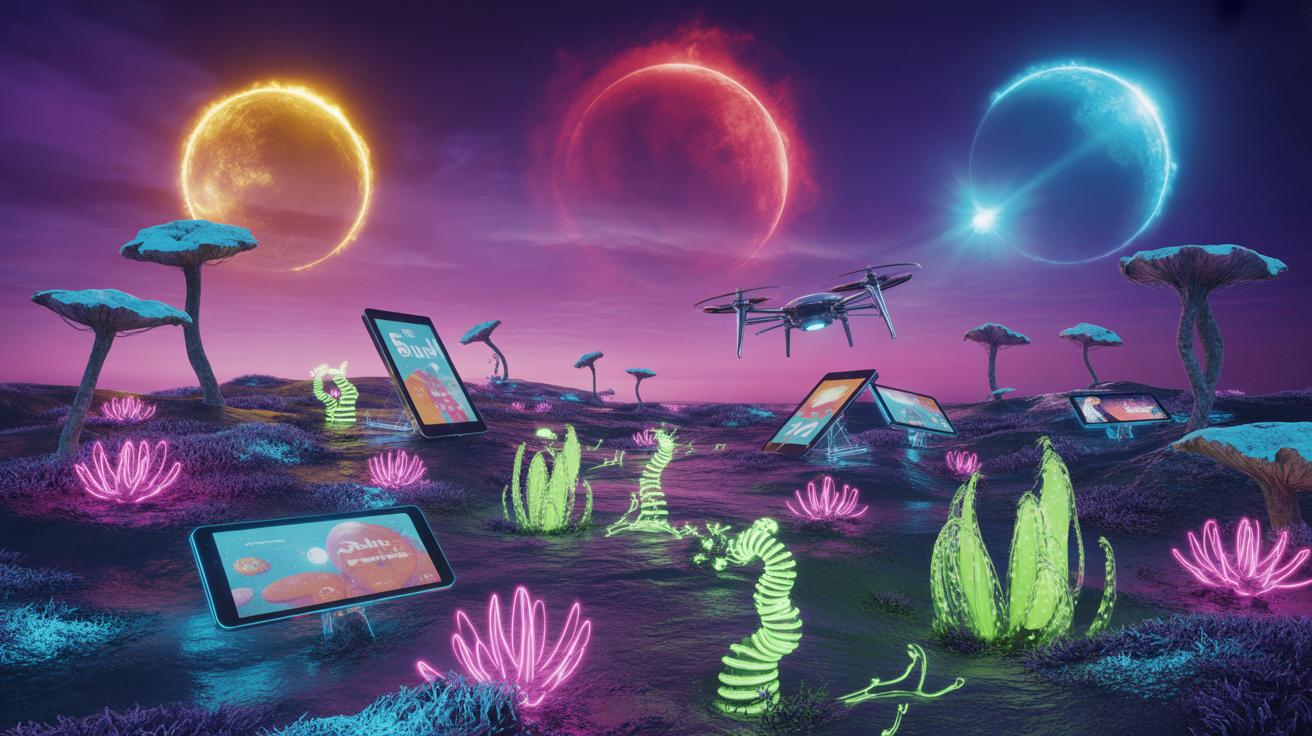
Using Alien Planet Concept Art in Marketing and Electronics
Alien Planet Concept Art plays a vital role in the fields of electronics and digital marketing. It creates vivid visuals that capture the imagination and attract audiences. These artistic concepts help brands tell unique stories, especially when promoting technology and digital products. Alien planets offer a fresh canvas to explore design ideas far beyond Earth norms.
In this article, you will learn about how alien planet concept art is created, why it is important for digital marketing, the tools used to design these visuals, and how marketers can effectively use them. This knowledge will help you make informed decisions on incorporating alien-themed artwork into your projects and campaigns.
Basics Of Alien Planet Concept Art
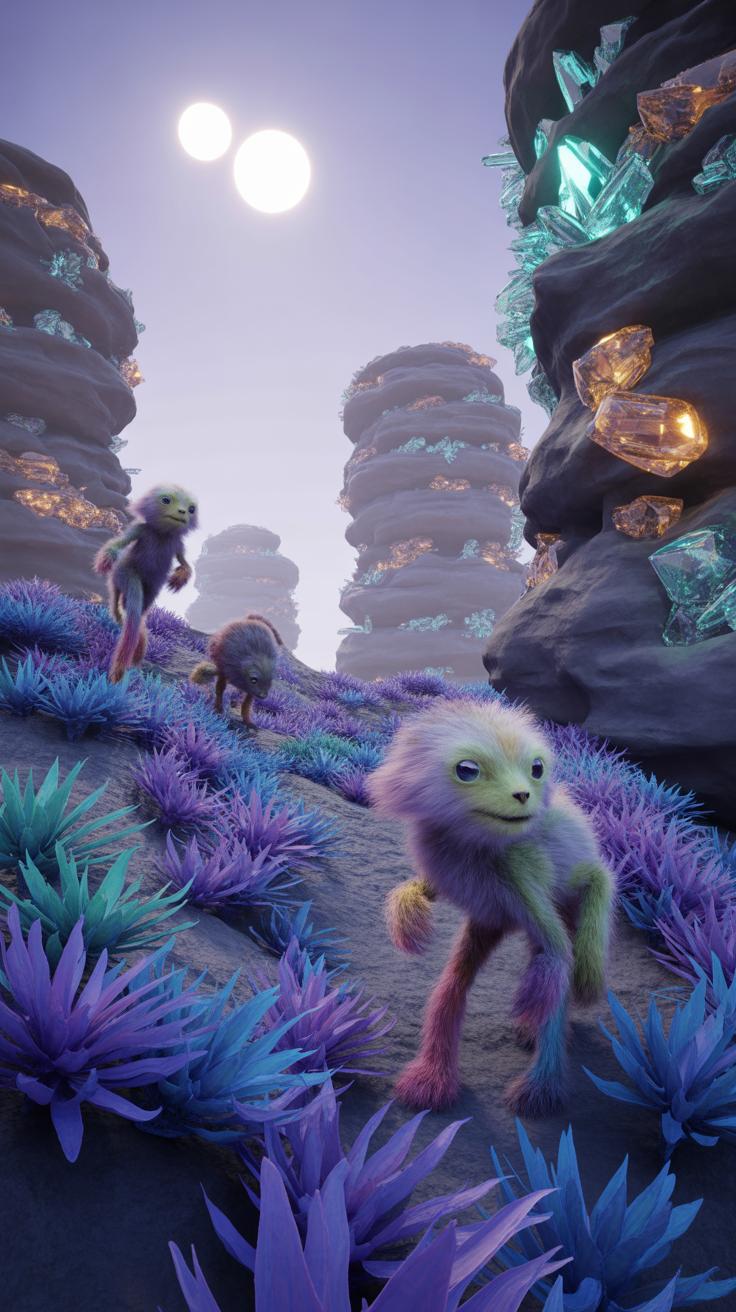
Alien planet concept art explores imagined extraterrestrial worlds, envisioning places beyond Earth with unique environments. Artists often create landscapes filled with strange and unfamiliar forms—luminous skies, odd terrain, bizarre flora, and fauna that challenge our understanding of life.
Imagining these worlds involves blending scientific ideas like astrobiology with creative instincts. Artists may start with basic planetary conditions—gravity, atmosphere, temperature—and build ecosystems that could feasibly exist there. It’s not just about creating something unusual; it’s about crafting a plausible environment that provokes curiosity.

In electronics and digital marketing, alien planet art often highlights futuristic, cutting-edge technology or products. Themes like exploration, innovation, and discovery are common. The goal is to offer viewers a hint of the unknown, a futuristic promise, or a new frontier that resonates with digital culture and technology’s evolving landscape. This art form invites you to imagine the future through an otherworldly lens, subtly linking the product to novel possibilities.
Main Features Of Alien Planet Art
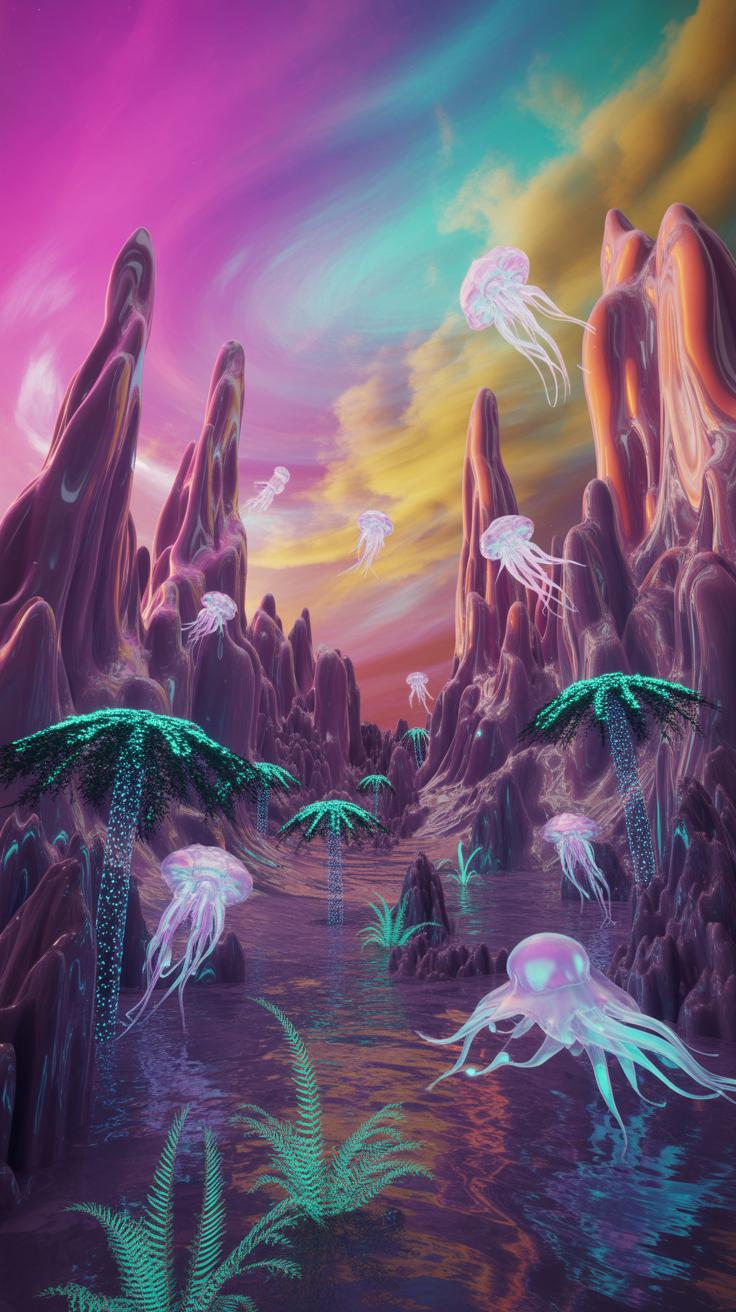
Alien planet art tends to showcase visually striking elements that feel unfamiliar yet believable. Visual features typically include:
- Unusual geological formations—jagged crystals, floating islands, and multi-hued rocks that defy Earth’s norms.
- Colors outside the ordinary spectrum—glowing vegetation, neon skies, or even atmospheres emitting soft or dazzling light.
- Extraordinary creatures—creatures with unexpected anatomies, often blending terrestrial features with imaginative twists.
- Futuristic technology—hovering vehicles, advanced robots, or energy systems integrated naturally into the environment, blending biology with machinery.
This art creates a balance between strange and recognizable, which piques the viewer’s interest and invites exploration. The combination of fantasy and science grounds the imagery, making it useful in conceptualizing new tech products or crafting memorable visuals for campaigns.
Role In Digital Product Storytelling

Alien planet art plays with context to enhance storytelling within digital marketing. By placing a product or concept within an otherworldly setting, it instantly adds a layer of narrative depth. This isn’t just about aesthetics—it’s a way to hint at innovation or advanced capabilities.
When you see electronics superimposed on an alien landscape, it nudges you to think beyond current limitations. It might suggest the product has futuristic features, or that it’s ready for challenges as unknown as an alien world. This kind of storytelling appeals to imagination and aspiration, which can be powerful motivators for consumers.
Moreover, the art style often creates a sense of adventure or discovery, echoing the thrill of exploring new technology. It aligns with ideas of breaking boundaries and pioneering new experiences, which are themes intrinsic to digital products. In short, alien planet art does more than decorate—it sets the tone for a story about progress and potential.
How Alien Planets Enhance Marketing
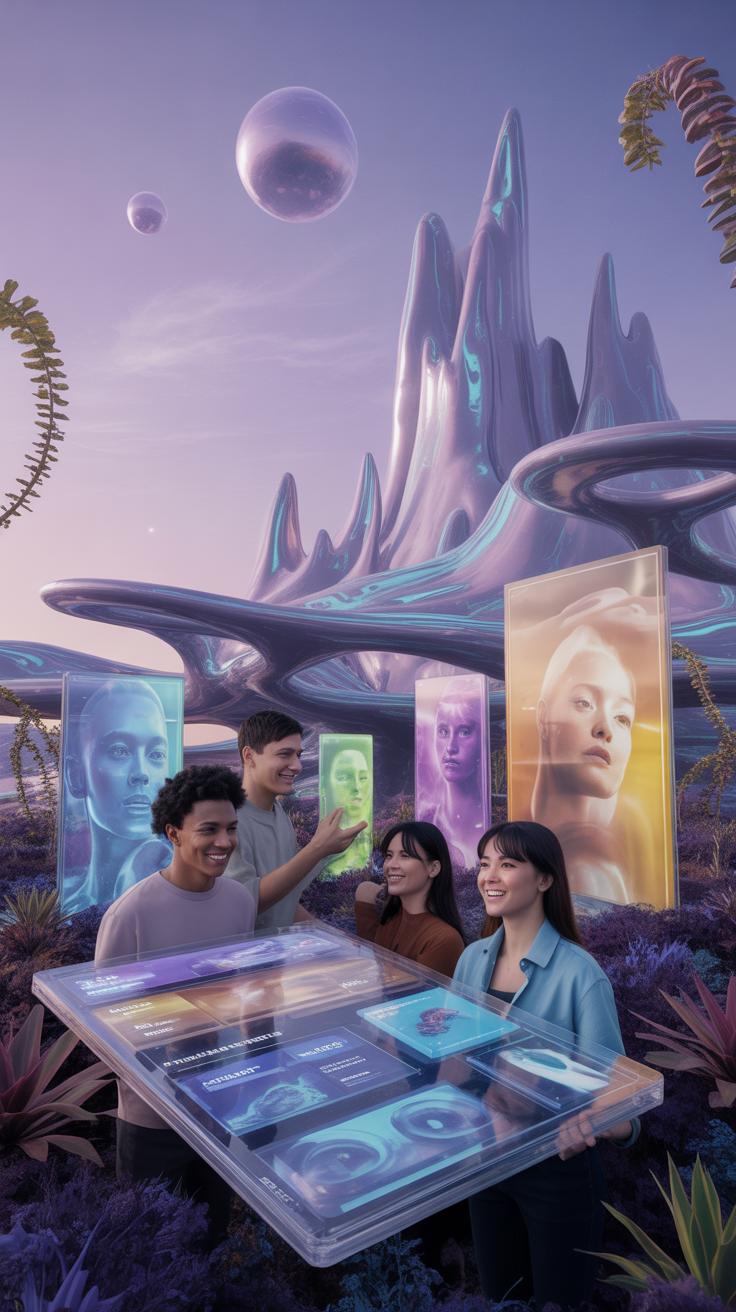
Alien planets do something quite particular in marketing—they grab attention almost without trying. When you see an alien world, you pause. It’s strange and unfamiliar, yet oddly captivating. This unfamiliarity isn’t just a quirk; it’s a powerful tool. People remember what surprises them. So brands using alien planet themes tend to leave a stronger, longer-lasting impression.

There’s also the emotional angle. Alien planet visuals stir curiosity—who wouldn’t want to explore the unknown? That sense of mystery and excitement naturally pulls audiences deeper into the message. It creates a certain tension that keeps people engaged, sort of a quiet thrill that makes the marketing stick better.
Another important aspect is the link to futuristic technology. Alien themes suggest advanced civilizations and innovations beyond our current reach. This connection helps brands position themselves as forward-thinking. It’s like saying, “We’re not just part of the present; we’re heading toward the future.” That subtle message can shift how audiences perceive a company’s innovation and relevance.
- Capture attention through unfamiliar, intriguing imagery
- Evoke curiosity and emotional engagement
- Reinforce a brand’s progressive, tech-savvy image
Tools For Creating Alien Planet Art
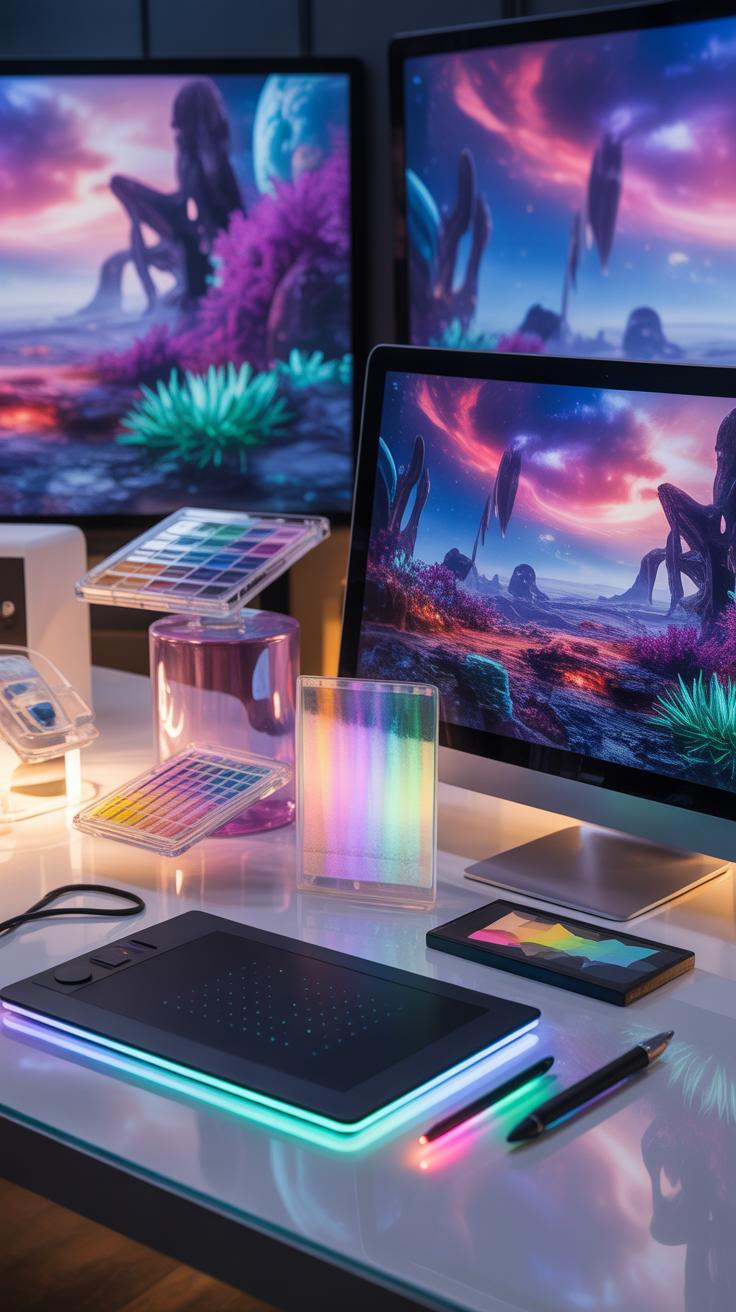
When you dive into crafting alien planet concept art, you quickly find that the tools you choose can make or break your vision. It’s not just about drawing – it’s about building entire new worlds that feel believable yet otherworldly. Artists and marketers often lean on software that can handle complex details and experiment with different textures and lighting. There’s Photoshop, still a staple for 2D painting and editing, allowing intricate layering and texture work. Illustrator plays a role when vector graphics and clean, scalable designs are needed, especially for branding within digital marketing projects.
Then there’s Blender, which has reshaped how many approach alien worlds. It’s not only free but surprisingly powerful, combining 3D modeling, sculpting, and animation. When you can spin your world around in 3D, understanding spatial relationships and lighting becomes much more intuitive. 3D modeling tools provide that extra dimension—literally. They push concepts beyond static images, enabling artists to create scenes that are photorealistic or stylized, depending on the project’s needs.

Using 3D in concept art can enhance depth and perspective, making surfaces look tangible and environments immersive. It also allows quicker iteration—you tweak a model, change lighting, or adjust a scene without redrawing entire sections. Of course, not everyone takes to 3D tools immediately. Sometimes the learning curve feels steep, and software might seem overwhelming. But for those willing to explore, the payoff in the realism and versatility of alien planet visuals is undeniable.
Ultimately, choosing your tools depends on what you want to convey and how flexible your process needs to be. Are you focusing on detailed textures or overall planet-scale visuals? Might 3D modeling bring along unexpected creative sparks? The mix of software and techniques can vary widely, and that’s what keeps the field interesting.
Step By Step Design Checklist

Designing alien planet concept art involves more than just imagining strange landscapes. You need a clear plan to ensure your work communicates effectively to your audience, especially in marketing. Here’s a six-step checklist to guide you:
- Research and Select Theme: Start by exploring various alien planet ideas. Focus on elements that fit your marketing message, whether it’s futuristic tech, mystery, or adventure.
- Sketch Basic Layout: Jot down rough ideas. These sketches help lay the groundwork for composition and visual flow.
- Choose Color Palette: Pick colors that set the mood — eerie greens, deep blues, or stark reds. The colors should evoke emotions tied to your campaign.
- Refine Details: Add unique planet textures, flora, or structures that make the environment believable yet alien.
- Integrate Branding: Subtly include branding elements such as logos or color schemes without overpowering the alien vibe.
- Test Audience Reaction: Show your designs to a small group to gauge if they convey the intended feelings and messages.
Following these steps will keep your project focused and effective. It’s tempting to jump straight into digital painting, but this checklist helps avoid missteps down the line.
Initial Research And Theme Selection
You might think all alien planets look similar—rocky, barren, or wildly green—but the possibilities are endless if you dig a bit. The first task is to gather ideas from science fiction, astronomy, and artistic interpretations.

Look at real exoplanets discovered by telescopes; their conditions range widely, which can spark unique concepts. For example, a high-radiation planet might be dangerous yet visually striking. Or a planet with floating land masses could inspire surreal scenes.
Select a theme that complements your marketing goals. If your product is futuristic tech, a high-tech orbital colony might work. For nature-based campaigns, alien jungles with bioluminescent plants offer a captivating backdrop.
Researching keeps your art grounded in something believable—not just random sci-fi clichés. Remember, your theme sets the tone, so choose wisely.
Sketching And Color Planning
Sketching is your playground. Here, you experiment with composition and perspective without committing time to details. Use quick, loose lines to explore different angles.
At this stage, think about how your color choices affect mood. Cooler tones often make a world feel distant or sterile, while warm tones can convey warmth or danger. Consider colors that align with your theme and capture attention.

Try creating several palette options before settling. Some artists find it helpful to collect color swatches from nature or other artworks to inspire their choices.
Finally, remember this isn’t about perfection yet. The goal is a foundation that supports the message and aesthetic you want your audience to feel.
Case Studies Of Alien Planet Art Use
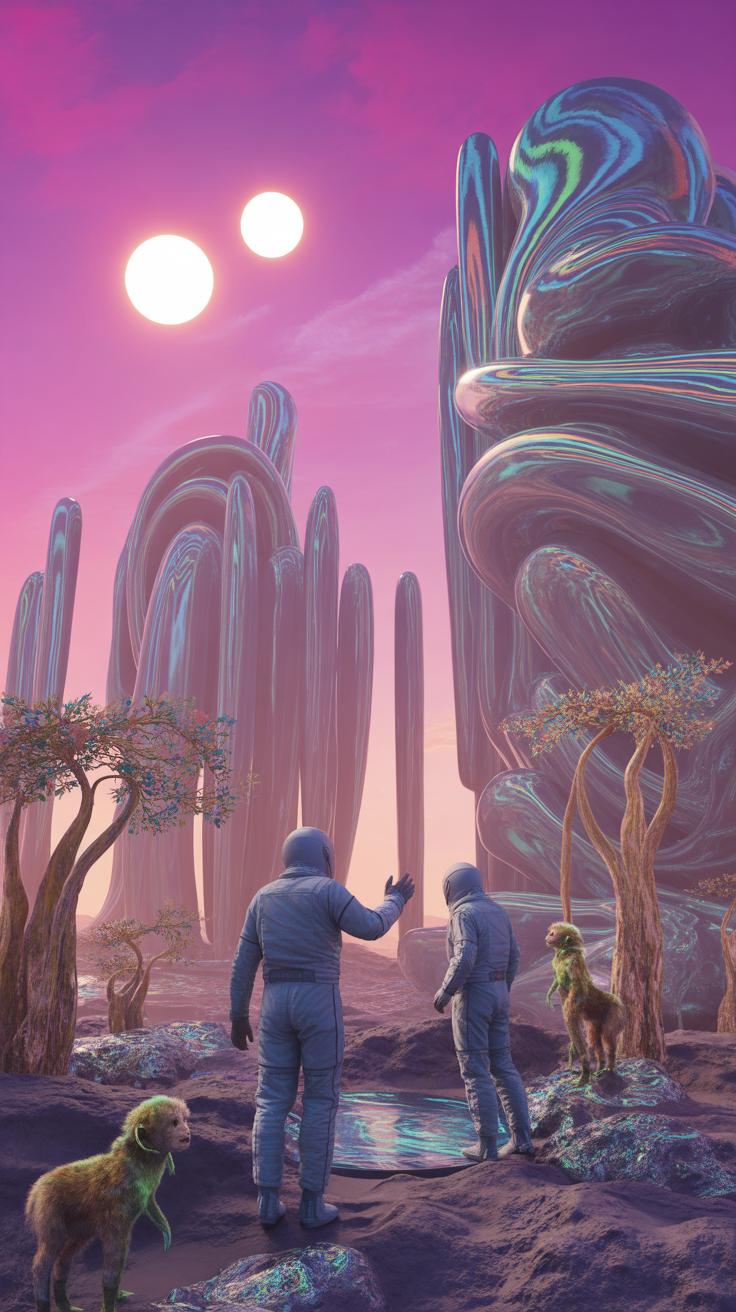
The use of alien planet concept art in electronics and digital marketing has proven effective in capturing attention—though the results vary depending on the brand and execution. Some companies have embraced alien visuals to stand out, especially in crowded tech markets where futuristic or otherworldly themes naturally resonate. For example, several gaming tech brands have incorporated alien landscapes and creatures to evoke curiosity and a sense of adventure, which aligns well with the immersive experiences they offer.
One notable case involves a well-known electronics manufacturer that launched a campaign featuring alien planet art as backdrops for their new line of VR headsets. The campaign saw a tangible increase in user engagement, with click-through rates reportedly climbing by double digits. The alien motifs helped frame the product as an escape to new worlds, which appealed to adventurous, tech-savvy demographics.

It’s interesting, though, how not all brands see the same benefit. Some found that while alien themes generate initial attention, maintaining a clear connection to the product is critical. Without that, the alien art can feel disconnected or even confusing. So successful use of this concept tends to be strategic, aligning visuals with product benefits or user aspirations.
Tech Brands Using Alien Themes
Brands like Alienware have naturally gravitated toward alien and space themes for years. Alienware’s branding is steeped in extraterrestrial aesthetics—sleek designs, neon accents, and distant planet-inspired visuals. This has created a strong brand identity that appeals to gamers and enthusiasts who see their devices as powerful, almost alien technology.
Another example is Samsung, which occasionally uses alien landscapes and futuristic themes in promotional materials for their high-end phones and foldable devices. They aim to position their tech as something from another world, operating on a cutting edge that seems beyond Earthly limits. The impact on audience engagement is often positive, especially among younger users drawn to sci-fi and fantasy elements.
Yet, you might wonder if these choices ever alienate more traditional customers. Some brands have to balance the allure of alien themes with universal appeal. It’s a delicate dance between futuristic flair and mass market accessibility.
Digital Marketing Campaign Outcomes
Campaigns that utilize alien planet art frequently report improvements in key metrics, but the scale differs. Increased click-through rates, better social media shares, and uplift in product interest are common outcomes. For instance, an indie gaming company’s campaign featuring alien world visuals gained a 20% rise in website traffic during the launch period.
Sales bumps can follow, but tend to be more subtle unless the campaign strongly ties the art to the product’s unique selling points. Sometimes, the exotic visuals act simply as gateways, drawing users in before the real message locks their interest.
While concrete data may not always be publicly available, the repeated use of alien art in marketing suggests it effectively grabs attention. Whether it boosts long-term loyalty or deeper brand connection may depend on execution beyond the initial visual impact. So, if you’re considering alien planet visuals, think through how they support your overall story and customer journey—not just how they look on screen.
Common Mistakes To Avoid In Design

When creating alien planet concept art, it’s easy to fall into the trap of overcomplicating the design. Too much detail can overwhelm viewers, making it tough to focus on the core visual message. Imagine a scene cluttered with countless intricate elements—your audience might end up confused or distracted rather than intrigued. Keeping visuals clear and purposeful helps maintain engagement and directs attention where it matters most.
Another frequent misstep is ignoring brand consistency. Alien art that strays from a brand’s established identity or messaging risks confusing the audience. For example, using aggressive or chaotic imagery for a calm, tech-focused brand could undermine trust. Always check that your art fits the tone and values of the brand it represents, even if the visuals are fantastical.
- Don’t pile on unnecessary details—simplicity often hits harder.
- Use design elements that resonate with the brand’s personality.
- Test visuals with different audiences to see if they connect as intended.
It’s tempting to try everything at once, but sometimes less really is more. Who knows, your art might be stronger—and clearer—if you trim away the excess? Just something to ponder while designing your next alien world.
Cost Breakdown For Art Production

When creating alien planet concept art, several key expenses come into play. First, there’s software—or rather, the software licenses you need. Popular programs like Adobe Photoshop or Corel Painter usually require monthly or yearly fees that can range from $20 up to $50 per month. Then, you can’t forget artist fees. Freelance artists might charge anywhere from $200 to over $2,000 for a full concept piece depending on experience and complexity. It’s a wide range, which makes budgeting tricky sometimes.
Revisions can quietly add up. Most artists expect to include a couple of rounds of changes in their price, but extra edits usually bump the cost. So, you might start thinking you’re set with a fixed budget but end up needing a bit more. This makes a buffer in your budget almost necessary if you want a polished final product.
Budgeting For Software And Tools
Popular design tools often used in alien planet art creation can stretch your budget depending on choices. For instance:
- Adobe Creative Cloud (Photoshop, Illustrator): from $20/month
- Corel Painter: roughly $429 for a permanent license or $199 for an upgrade
- Blender (for 3D elements): free, but some plugins or textures might cost extra
- Procreate on iPad: one-time purchase around $10
Some artists mix several programs to get the unique look of an alien world, which can elevate costs. Still, open-source or one-time purchase software can ease financial pressure if you’re on a budget. So it depends on your priorities and workflow.
Hiring Professionals Vs DIY
The choice between hiring a pro or going DIY depends heavily on your budget and skill level. Hiring a professional offers quality and saves time but at a higher price. Artists bring experience and can create concepts faster, but the cost might not fit everyone’s budget.
Going the DIY route means investing more time and perhaps purchasing software and tutorials. But it allows you to experiment freely and control every detail. You might save money upfront, but the learning curve can delay project completion.
Would you prioritize speed and experience, or freedom and cost? It’s not always clear-cut, and sometimes, a mix of both approaches works best.
Using Alien Planets To Attract Audiences
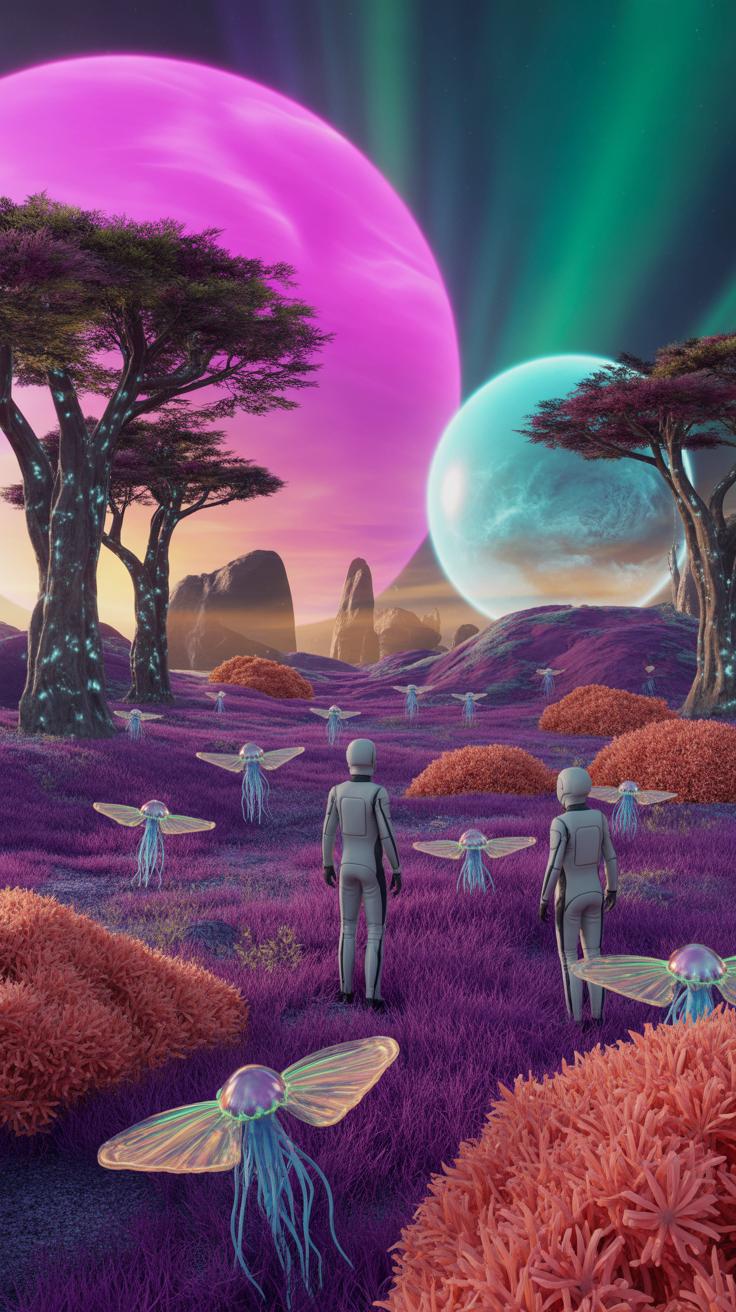
Alien planet visuals pull in and keep customer attention online and in advertising by tapping into our natural curiosity for the unknown. Marketers create designs that emphasize unfamiliar landscapes, strange colors, and otherworldly flora or fauna, injecting a sense of mystery and discovery. They often use high-contrast, vibrant imagery to make these scenes pop on digital platforms where attention spans are short. Sometimes, subtle animation or parallax scrolling is added to deepen immersion—it’s not just a picture, but a small window into another world.
One effective technique is hinting at a deeper story behind the imagery. You might see ruins of alien civilizations, futuristic technology, or strange weather patterns, inviting users to imagine their own narratives. This engages viewers beyond surface-level visuals. It’s a split-second invitation to explore.
Visual Storytelling Techniques
Building stories around alien planet designs involves a balance between detail and mystery. Marketers provide visual cues that suggest history, culture, or conflict without spelling everything out. For example, a lone explorer figure might stand against a vast alien desert, suggesting bravery or isolation. Color and lighting shifts convey mood—cool blues for desolation, warm reds for danger or excitement. These elements combined make viewers pause and wonder what’s really going on.
Interactive elements can enhance the story. Hover effects revealing hidden messages or changes in scenery as you scroll create a sense of discovery, making the audience part of the narrative rather than just passive viewers.
Combining Art With Interactive Media
Alien planet art finds a natural home in interactive ads, games, and digital experiences. In ads, interactive 3D models of alien terrains let users explore from different angles, increasing engagement time. In games, alien worlds become settings for adventure, encouraging players to immerse themselves in the environment. Other digital experiences might include virtual tours or augmented reality filters that put users “on” the alien planet.
These interactive approaches turn curiosity into active involvement. Instead of just seeing a static image, users feel like participants in an unfolding story. This deeper engagement helps brands stand out in crowded digital spaces.
Ultimately, alien planet visuals combined with storytelling and interactivity provide marketers with powerful tools to grab and keep audience attention in ways that feel fresh but somehow also familiar—because everyone loves a good mystery.
Evaluating Success With Metrics

When you evaluate how well alien planet concept art performs in digital marketing, tracking key performance indicators (KPIs) is crucial. Consider metrics like website traffic, clicks, and viewer engagement time to gauge interest—these numbers often reflect how compelling your art is to the audience, though sometimes high clicks don’t always mean deep engagement.
Monitoring sales and conversion rates also sheds light on the art’s impact. For example, if an art-driven campaign leads to measurable boosts in product purchases or subscriber sign-ups, that’s a solid sign your visuals resonate. Linking campaigns directly to conversion events requires thoughtful setup—like tagging and attribution tools—to avoid ending up with just guesswork.
Traffic and engagement stats offer specifics: watch how long visitors stay on pages displaying the concept art. Are they exploring multiple artworks or exiting quickly? These behaviors hint at the emotional or intellectual pull of the content, which can be somewhat unpredictable. Increasing engagement over time may show growing interest, though sudden spikes invite questions—are these from genuine fans or curious passersby?
Sales and conversion analyses focus on the bottom line. Implementing tracking pixels or conversion codes helps identify pathways from art impression to purchase. However, success might not always be immediate; some users take longer to convert, or multiple touchpoints influence decisions indirectly tied to the alien planet visuals.
It’s a bit of an art (no pun intended) to connect creative assets like concept art to hard numbers, but the balance of quantitative data and qualitative insight helps refine campaigns continuously. You’ll find some metrics telling you one story, and others, slightly different—both matter in understanding your audience’s real response.
Future Trends In Alien Planet Art
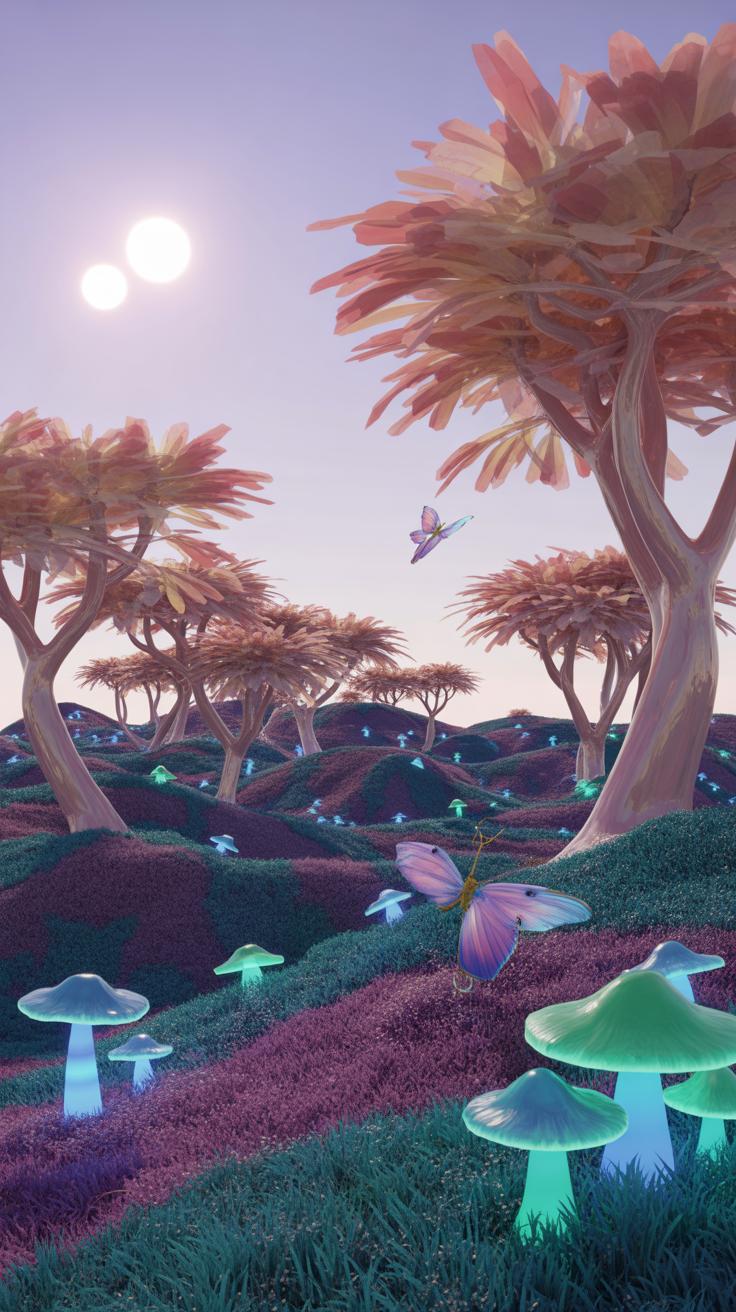
Looking ahead, alien planet concept art is bound to become more immersive and interactive. There’s a growing appetite for visuals that don’t just sit on a screen but invite you to step into another world. This shift is fueled largely by advances in technology that let creators push the limits of imagination in ways previously impossible.
You might notice an increasing use of mixed reality environments where alien landscapes fold around you, rather than staying confined to a flat surface. This opens up opportunities for electronic devices to showcase captivating surroundings that captivate customers longer, making marketing campaigns far more engaging than static images could.
Moreover, demand for personalized alien worlds will likely rise. Imagine AI-driven tools adjusting environments in real-time to reflect users’ preferences or mood. This means concept art won’t remain fixed but could evolve dynamically, changing with each interaction. That plays directly into digital marketing strategies focused on user experience and tailored content.
So, over the next few years, the convergence of technology and creativity will redefine how alien planet art is created and used in electronics and marketing. The question is: how far will this go? Could entire brand worlds be built around custom alien planets soon?
Conclusions
Alien planet concept art offers a unique tool for brands to engage users in electronics and digital marketing. By creating fresh and imaginative visuals, businesses can enhance their marketing impact and stand out in crowded markets. The concepts connect audiences to futuristic and innovative ideas.
Careful planning, using the right design tools, and understanding the goals behind these visuals lead to success. By applying the insights shared in this article, you will be ready to use alien planet concepts effectively to boost your brand presence and customer interest.