
Modern Trends Enhancing Classroom Interior Design
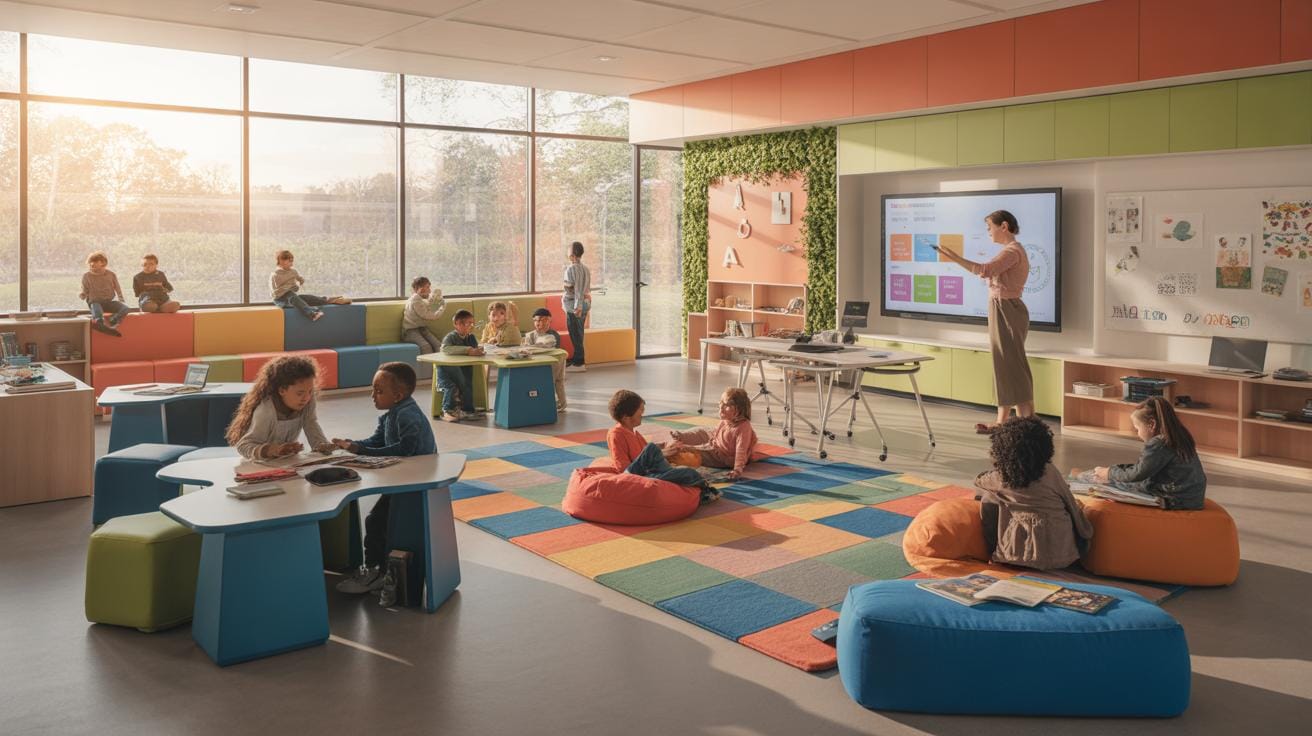
Modern classroom interior trends focus on creating environments that support learning, comfort, and interaction. These trends enhance classroom design by incorporating flexible seating, improved lighting, and technology integration to create spaces suited to today’s educational needs. You will learn how these trends shape a classroom’s layout and usability.
This article covers what modern classroom design looks like and why it matters for both students and teachers. It also suggests practical steps to update classroom interiors effectively, ensuring classrooms become places that encourage engagement and effective learning.
Classroom Design Basics
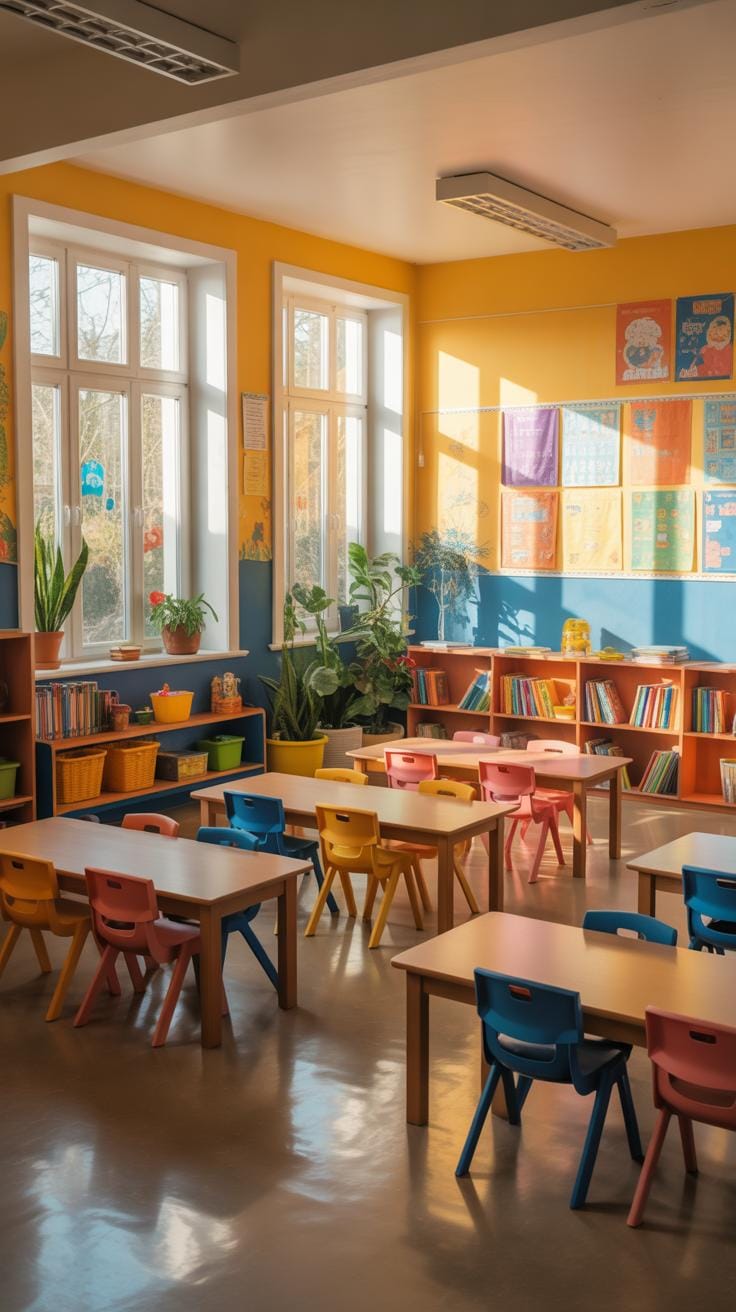
Classroom design is more than just arranging desks and painting walls; it involves creating an environment that supports learning at various education levels. From elementary schools to colleges, each classroom type brings unique needs. For example, young children in elementary grades often need spaces for group activities and play, with areas like rugs for whole group learning and centers filled with resources. Middle and high school classrooms shift toward desks arranged for individual work and frequent transitions between rooms, reflecting growing independence. College lecture halls prioritize seating that accommodates large groups and emphasizes visibility of the professor and teaching aids.
The layout and setup can greatly influence student engagement and learning outcomes. Think of how seating arrangements affect interaction—rows can foster focus but may hinder collaboration, while clusters or circles might boost discussion but could be distracting for some. Teachers must consider mobility, sightlines to boards or screens, and how the setup matches teaching style. So, it’s not just about fitting furniture; it’s about shaping how students work and communicate.
Key Elements In Classroom Setup
Fundamental elements shape any classroom, regardless of grade level. Furniture plays a crucial role—sturdy chairs and adjustable desks can accommodate various learning styles and body sizes. Lighting matters too. Natural light is best, but when that’s limited, layered lighting reduces eye strain and keeps students alert. The arrangement of space also impacts usability; for instance, clear pathways allow teachers to move among students easily, fostering interaction and supervision.

Take an example: a primary school classroom might have tables grouped for teamwork alongside a cozy reading corner with soft seating. In contrast, a college science lab needs durable tables, adjustable stools, and equipment stations thoughtfully placed for safety and accessibility. Even small items like storage bins or bulletin boards contribute by keeping materials organized and the environment visually stimulating, yet not overwhelming.
Comparing Traditional And Modern Designs
Traditional classrooms usually had rows of desks facing the teacher, emphasizing direct instruction and individual work. This setup supports focus but can isolate students and discourage participation. Modern designs often introduce flexibility with movable furniture and multi-purpose spaces, supporting group work and diverse teaching methods. These flexible layouts can foster collaboration, creativity, and adaptability, but they might also bring noise and distractions for some learners.
Traditional layouts are easier to supervise and maintain order but can feel rigid and uninspiring. Modern interiors, while creative, require more management to ensure students stay on task and may need more resources. Each approach has merits and drawbacks, and many educators find a blend of both works best—providing structure when needed but allowing freedom to engage in different ways.
Why Classroom Design Matters
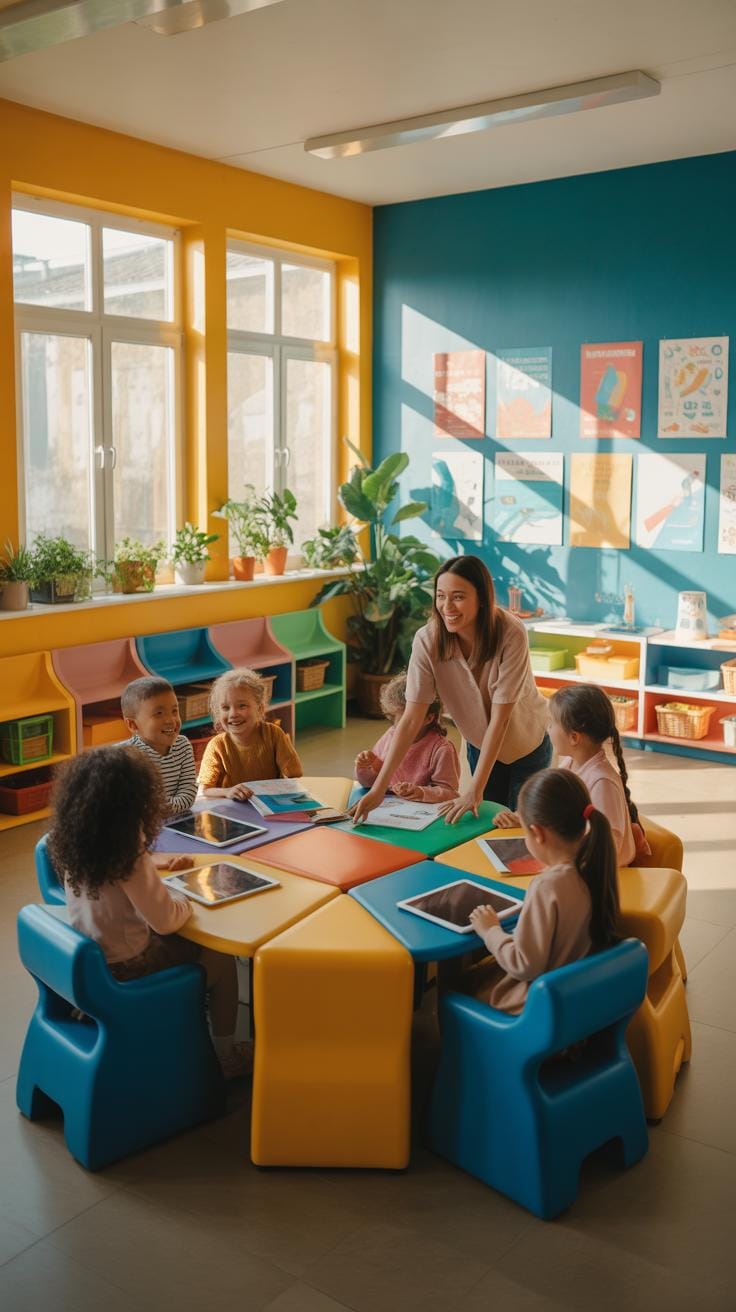
Good classroom design matters because it directly impacts how well students learn and teachers teach. When spaces feel cramped or uncomfortable, attention slips away, and the whole vibe can become draining. Conversely, a well-thought-out layout can make everyone feel more at ease, leading to better focus and more lively interactions.

Health plays a key role here. Air quality, lighting, noise levels—all influence student alertness and well-being. If students are physically distracted by glare or poor acoustics, their ability to stay attentive declines fairly quickly. You might notice some kids start fidgeting or glancing around, clearly missing out.
Interaction is another piece of the puzzle. Classrooms that encourage conversation and movement—for students and teachers alike—can boost engagement and group work. Sometimes, just rearranging desks helps break those rigid patterns that inhibit discussion.
Student Focus And Comfort
The way a classroom is designed impacts how long and how well students concentrate. Simple factors like seating comfort or desk height matter much more than you’d expect. If a chair is too hard or the desk too small, students tend to shift uncomfortably, knocking their concentration off track.
A classroom with adjustable lighting and minimal distractions also supports focus. Even ambient noise can pile up—it’s tricky because some background sounds help certain learners, but for others, they just irritate. Finding that middle ground with design choices can make a significant difference, though it might require some trial and error.
Teacher Mobility And Access
The classroom layout influences how teachers move and connect with students throughout the day. A cramped or cluttered space can restrict a teacher’s ability to reach every corner, limiting interaction. You want a setup that allows teachers to circulate easily, making quick check-ins or offering guidance without feeling stuck behind a desk.

Good access also helps teachers gauge student comprehension better. Moving around encourages more spontaneous questions and closer observation—things that a static, front-facing setting often misses. Yet, I’ve seen some classrooms where the design felt perfect for movement but left students isolated, so balance remains tricky.
Setting Up Flexible Learning Spaces
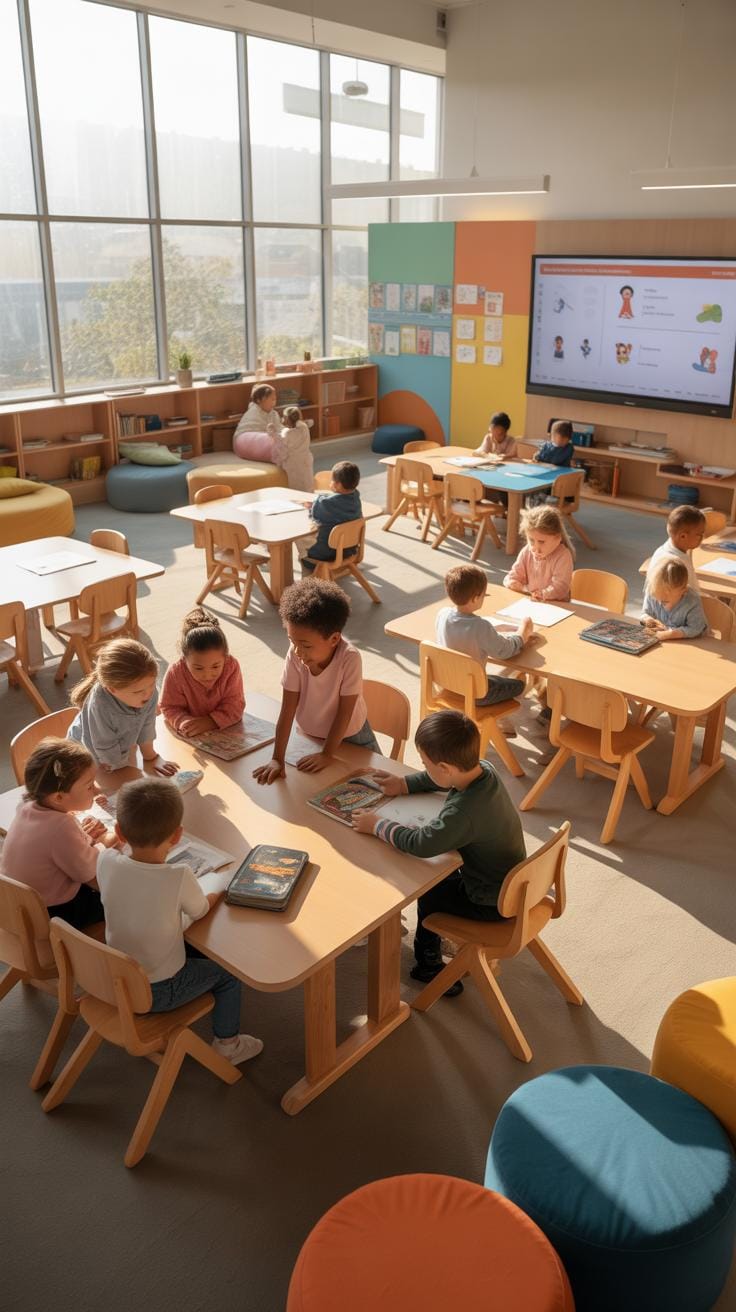
Creating flexible classroom spaces means designing areas that shift with the demands of different activities and group sizes. The goal is to avoid fixed setups that limit how the room can be used. Instead, think about zones that can quickly transform—from whole-class instruction to small group brainstorming or solo study. It’s a bit like having several classrooms in one, but without the walls.
Using movable furniture plays a key role here. Desks and chairs on wheels or lightweight materials allow for quick rearrangement. Imagine a classroom where students can easily cluster into groups or spread out when individual focus is needed. This flexibility supports various teaching styles—whether it’s direct instruction, collaborative projects, or hands-on activities.
Using Movable Furniture
Movable desks and chairs provide practical benefits. For one, they encourage adaptability: teachers can reconfigure the space in seconds to suit differing lesson plans. This adaptability also helps students stay engaged by breaking away from the traditional, rigid layout.

In some classrooms, I’ve noticed that movable furniture invites more student ownership of the learning environment. When students arrange their own seating, it promotes responsibility and comfort. But it’s true that if poorly managed, it can sometimes lead to distractions or chaos, which means some guidance is still needed.
Zones for Group Work and Quiet Study
Creating distinct areas for teamwork and quiet study helps manage varied learning needs. For example, one corner of the room might feature a cluster of tables for group discussions, equipped with whiteboards or shared materials. Meanwhile, quiet nooks with individual desks or booths provide spaces for concentration and reflection.
These zones don’t have to be elaborate. Sometimes simple visual cues—like rugs, shelves, or lighting—can define areas well enough. The idea is to give students a choice: they can pick a space that fits their current task, whether collaborating with peers or working through tough problems alone.
Lighting And Acoustics Setup
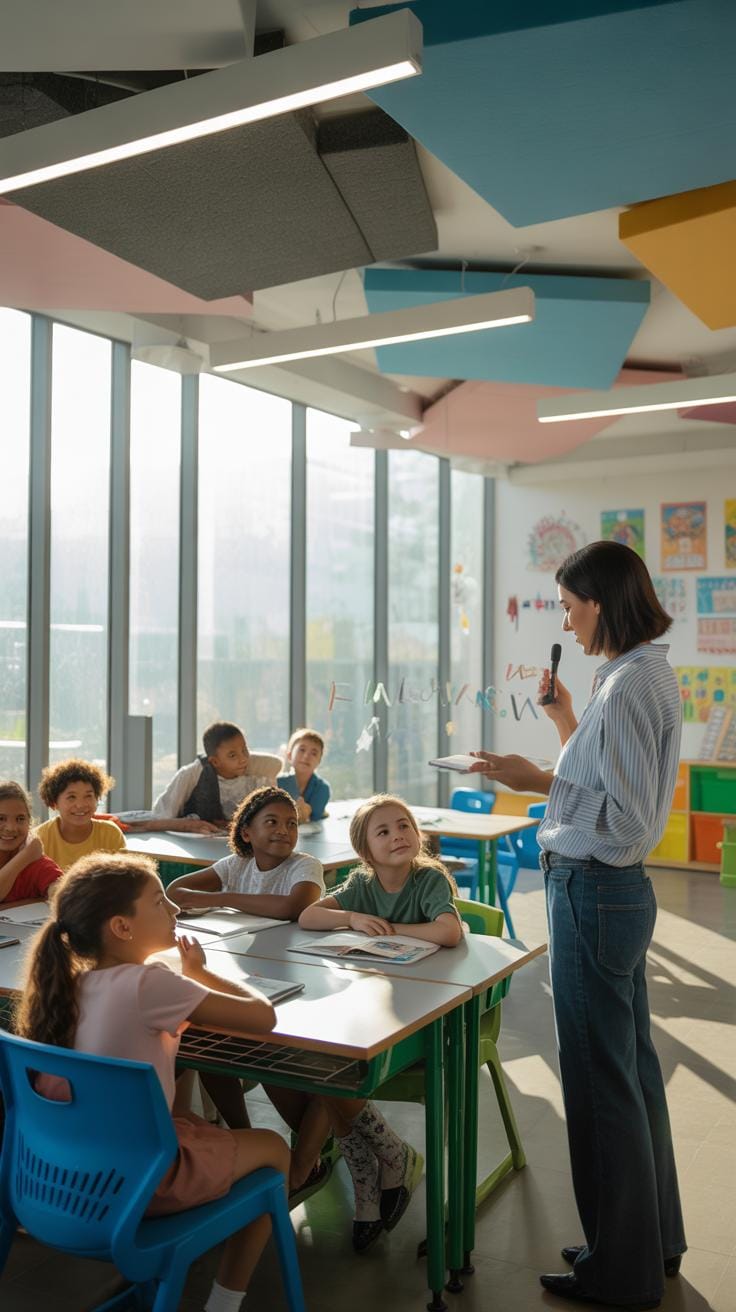
Lighting and sound in a classroom do more than just make the space usable. They affect how students focus, feel, and engage. When thinking about lighting, natural sources often win favor. Sunlight can lift moods and cut energy costs. Yet, it’s tricky—depending on the classroom orientation, too much sun can cause glare or uneven light patches, making it tough to see screens or boards.

Artificial lighting fills in the gaps, especially on cloudy days or late lessons. A mix of overhead lights, task lighting near desks, and dimmable options offers control. You want even lighting that doesn’t tire the eyes or create distracting shadows. Flickering or overly bright bulbs can quickly become irritating instead of helpful.
On sound, classrooms can become noisy and cluttered with echoes, making comprehension challenging. Some noise sources are unavoidable, like chatter or hallway traffic, but design choices can reduce intrusion. Carpets, ceiling tiles, and soft furnishings absorb sound, preventing harsh reverberations.
Strategically placed soundproofing panels or curtains might quiet external noise, too. Even arranging furniture thoughtfully—putting noisy activity zones away from quiet study areas—makes a big difference. The goal is a calm acoustic environment that keeps students attentive without feeling coffin-like.
It’s tempting to overlook acoustics and lighting when planning, but small improvements can change the classroom atmosphere significantly, helping students—and teachers—feel more comfortable and focused.
Choosing Natural And Artificial Lighting
Natural light offers undeniable benefits in classrooms. It supports alertness, enhances mood, and even helps regulate circadian rhythms, which can influence concentration. Windows or skylights bring in this light, but placement and size really matter. Direct sunlight might cause glare and heat build-up, while indirect light softens the environment.

But natural light can’t always be relied upon. Cloudy days, late afternoons, or classrooms without access to good daylight require artificial lighting. Here, layering lighting types becomes effective:
- Overhead ceiling lights provide general illumination.
- Task lights on desks help with reading or detailed work.
- Dimmable or adjustable lights offer flexibility based on activity or time of day.
You want lighting that’s close to daylight color temperature to minimize eye strain. Also, using LED bulbs can save energy and avoid the flicker issues common with older fluorescent lights. If you ever tried teaching under harsh, buzzing fluorescents, you know how distracting it can get.
Reducing Noise For Better Learning
Noise is perhaps a less obvious but critical factor in classroom design. Excessive noise interferes with speech perception and can stress students, especially those with auditory processing challenges. The trick is controlling sound both inside the classroom and from outside sources.
Soft materials absorb sound more than hard surfaces. Carpets, curtains, cork bulletin boards, and padded furniture help reduce echoes. Ceiling tiles designed for sound absorption can muffle overhead noise.
Consider these strategies too:
- Use sound-absorbing wall panels or acoustic baffles.
- Seal gaps around windows and doors to limit external noise intrusion.
- Encourage classroom routines that minimize loud disruptions.

Sometimes quieter isn’t simply about removing noise but creating an environment where necessary sounds—such as teacher instructions—are clear. This balance can be subtle and needs fine-tuning depending on the school’s location and the age group.
Technology Integration Checklist
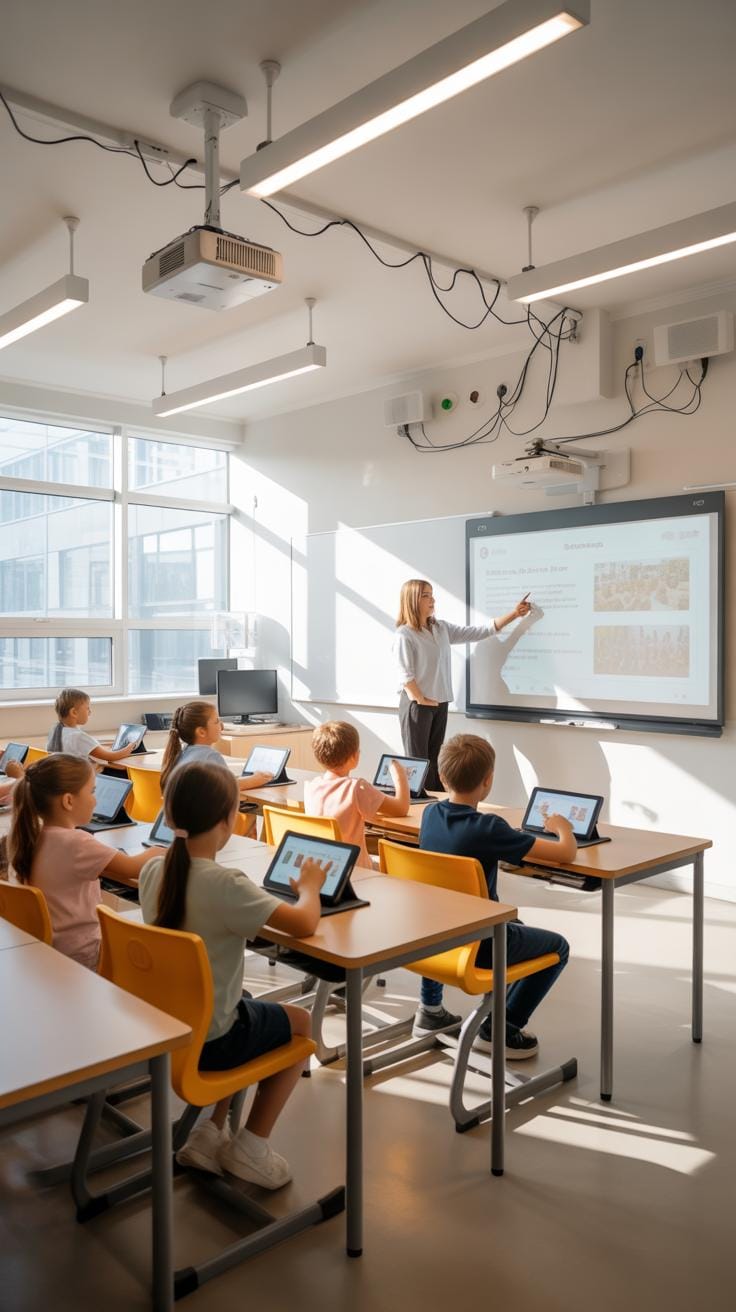
When thinking about technology in the classroom, it’s not just about having the latest gadgets. You want to focus on what really helps the learning process without overwhelming the space or the students. Essential tech pieces usually include smart boards for interactive lessons — they aren’t as fancy as they sound but can really change how kids engage. Projectors also play a major role; sometimes bigger is better when it comes to displaying clear visuals at the back of a room.
And don’t forget WiFi setups. Believe me, without stable internet, even the coolest tools won’t work right. Setting up good coverage with minimal dead zones is crucial. It’s also a good idea to plan the tech locations to avoid cords snaking across the floor—tripping hazards are nobody’s friend.
Practical tips include testing everything before school starts and providing easy-to-follow instructions for both students and teachers. I’d suggest regular tech check-ups too—that way, small issues don’t turn into big frustrations. And honestly, don’t cram all tech into one corner; spread devices evenly so everyone benefits.
Pitfalls To Avoid In Classroom Design
Overcrowding And Poor Layouts
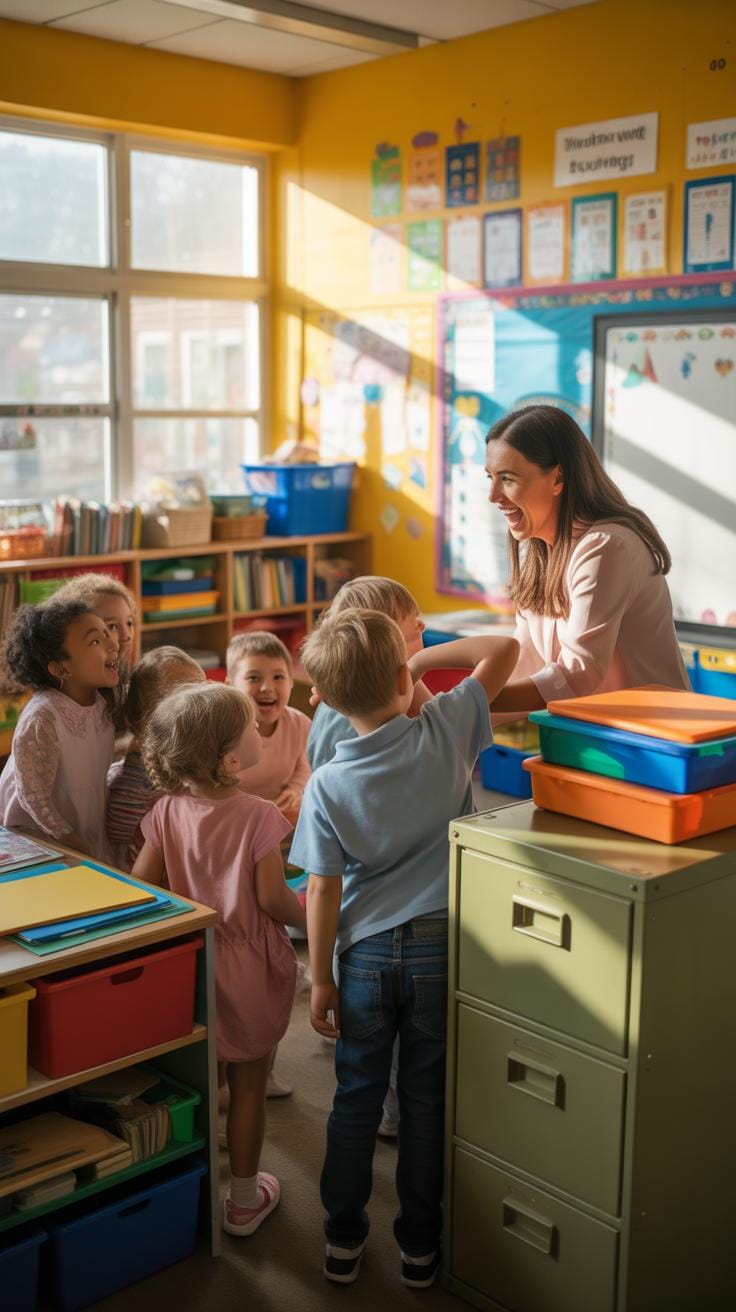
When classrooms get packed too tightly, it’s more than just uncomfortable — it actually hurts how well the space works. You want kids to move freely and teachers to reach every student easily. Cramped desks or poor furniture placement block sightlines and make it harder to focus.

Think about this: aisles shouldn’t be so narrow that anyone has to squeeze through. Also, placing furniture without a clear plan causes chaos — some students may feel excluded or stuck in corners. I’ve seen classrooms where the teacher can barely approach a struggling student without disrupting everyone else.
One practical tip? Arrange desks in small clusters or circles. That approach encourages interaction and keeps pathways open. Don’t cram all students facing one direction blindly; instead, consider how the arrangement supports the lesson and classroom flow.
Ignoring Student Needs
It’s tempting to focus on aesthetics or budget when designing, but neglecting diverse student needs can backfire. Students have different learning styles, physical abilities, and sensory sensitivities. If the classroom design ignores these differences, it risks leaving some kids behind.
For example, not providing quiet corners for students who get overwhelmed can reduce their engagement. Similarly, failing to include adjustable seating or accessible tables excludes those with physical challenges.
Ask yourself: Does the design accommodate all learners? Can students move comfortably? Addressing these questions early can prevent costly redesigns later.
It might surprise you how small adjustments—like adding movable furniture or sound buffers—make a huge difference in student comfort and success.
Cost Considerations For Upgrades
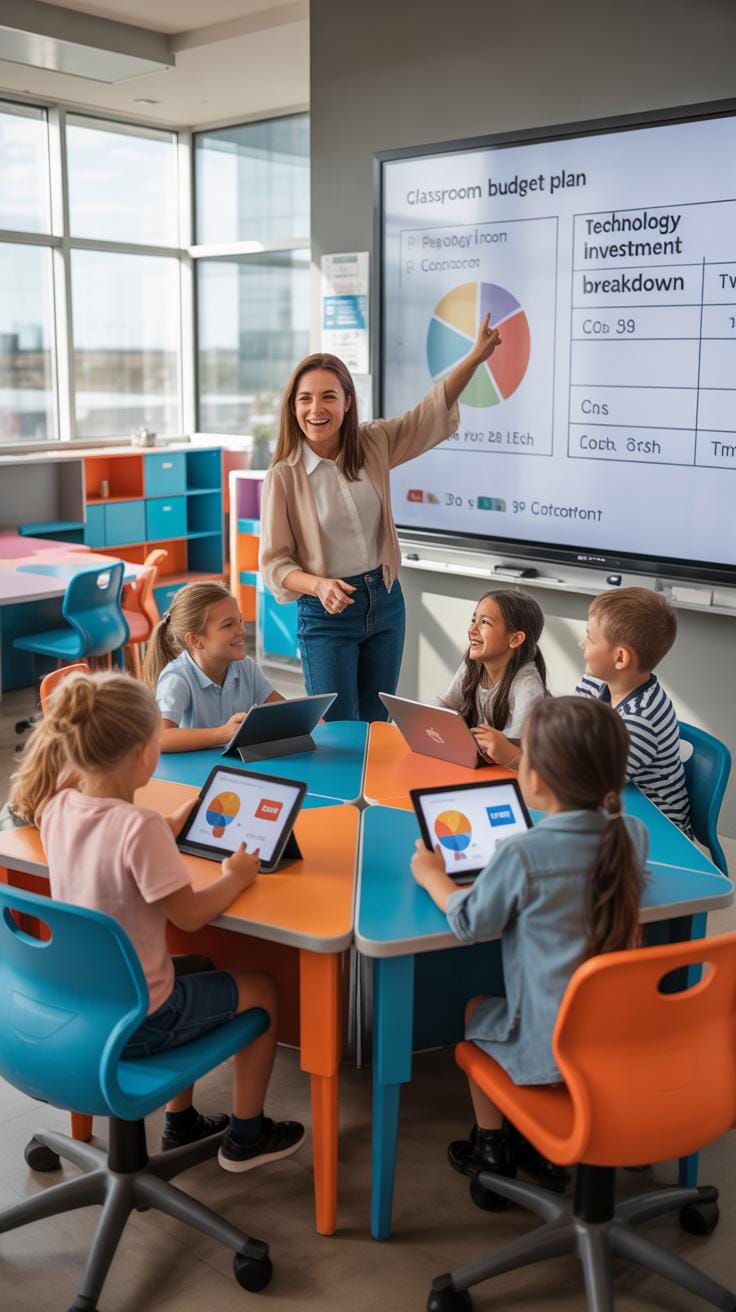
When you start considering upgrades for your classroom, costs can quickly add up. It’s easy to underestimate just how many pieces of furniture and tech items are needed for a modern educational space. For example, a single adjustable desk can range from $200 to $500 depending on quality and features, while ergonomic chairs might run from $100 to $300. And technology? That’s a whole other beast.
Interactive whiteboards and projectors often start around $1,000 going well beyond $3,000 in some cases. Then there’s laptops or tablets—which can vary widely based on the brands and specs chosen. To keep expenses manageable, keep a close eye on both unit costs and quantities needed. It might also help to mix high-end pieces in key areas with more budget-friendly options elsewhere.
It’s a balance. You want functional upgrades without ending up overwhelmed by the total spend. So, take time to research average prices for each item and vendor discounts before making big purchases.
Budgeting For Furniture And Tech
Here’s a quick breakdown that might help you wrap your head around what school budgets are typically looking at:
- Desks: $200–$500 each – basic adjustable desks with durable surfaces tend to fall in this range. Some specialized designs could cost more.
- Chairs: $100–$300 each – ergonomic chairs that support good posture cost more but might pay off long-term.
- Technology: Interactive panels run from $1,000 to $3,000+, while student tablets or laptops generally fall between $250 and $750 per unit.
Of course, prices fluctuate based on brand, quantity, and specific needs. For instance, if your classroom needs 30 desks and chairs, the total easily hits thousands. You might save by buying bundles or seeking education discounts offered by suppliers. It feels like a headache sometimes, but keeping these ranges in mind guides better planning.
Planning For Phased Improvements
Spreading improvements out over time can make a big difference when it comes to managing costs and avoiding budget shocks. Instead of redoing everything at once, why not phase the upgrades? Start with essentials like desks and chairs, then add tech devices and interactive tools later on. This approach also allows you to evaluate the impact of each phase and adjust depending on feedback.
One method is to set yearly priorities based on what will most improve learning environments immediately. You might replace worn desks this year, then upgrade lighting and tech next year. This slows the financial hit and gives stakeholders time to adapt to changes, too.
Ultimately, a mix of planning, realistic budgeting, and taking incremental steps can make remodeling classrooms less daunting. What areas do you think need the most urgent attention? Sometimes sorting priorities first saves headaches down the road.
Examples Of Modern Classroom Designs
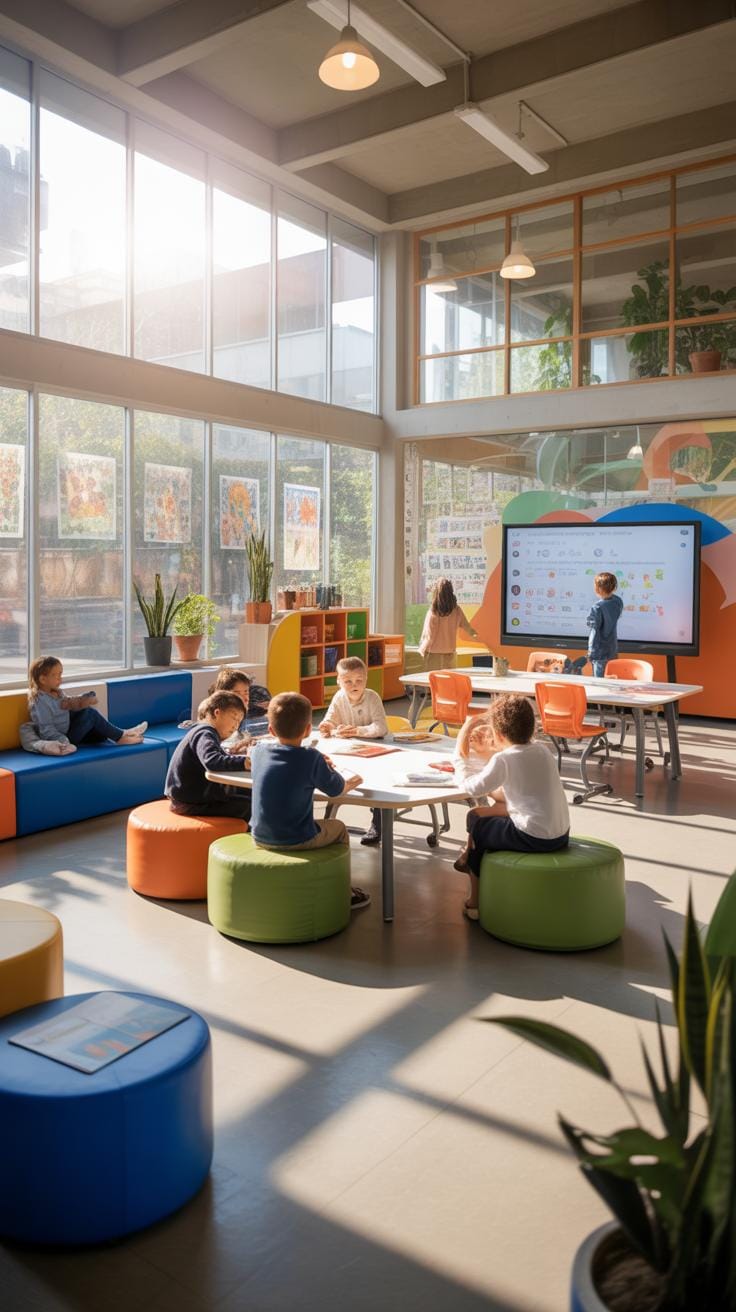
Looking at real classrooms that embraced modern trends reveals some interesting outcomes. Take flexible seating: one school in Virginia swapped traditional desks for stools, beanbags, and even hanging chairs. Kids had space to move, pick spots that felt right, and strangely, it seemed to quiet down disruptions. They took more steps each day and appeared less stressed. It makes you wonder if sitting still for hours has been underestimated as a barrier to good learning.
Technology also reshapes classrooms dramatically. Picture a room where every desk connects to a computer, whiteboards are digital touchscreens, and teachers can share lessons live with absent students. These setups don’t just make learning more interactive; they help teachers track progress in real-time, adjust lessons, and keep students engaged. But maybe faces glued to screens could hinder social interaction, a thought that keeps some educators cautious.
These examples show classrooms moving away from “rows of desks and chairs” to adaptable spaces that invite movement, choice, and tech use. Yet, finding the right balance—between flexibility and focus, technology and interaction—remains a work in progress for many schools. What might work well for one class could feel chaotic to another.
Conclusions
Modern classroom interior trends offer practical ways to improve learning environments. By understanding the key design elements and the benefits of modern layouts, educators can create classrooms that support student success and teacher effectiveness. Thoughtful design goes beyond appearance and impacts everyday classroom experiences and outcomes.
Bringing flexibility, technology, and comfort into classroom design helps meet diverse student needs. Applying these principles will make your classroom a better place for learning, collaboration, and teaching. Keep exploring these ideas to continuously improve your learning space.